















Turo Business Model How Turo Turned Idle Cars Into a Multi-Billion Dollar Car-Sharing Marketplace
Turo operates a peer-to-peer car-sharing marketplace that connects car owners with travelers who want to rent vehicles. Instead of owning cars like traditional rental companies, Turo allows individuals to list their vehicles on the platform and earn…
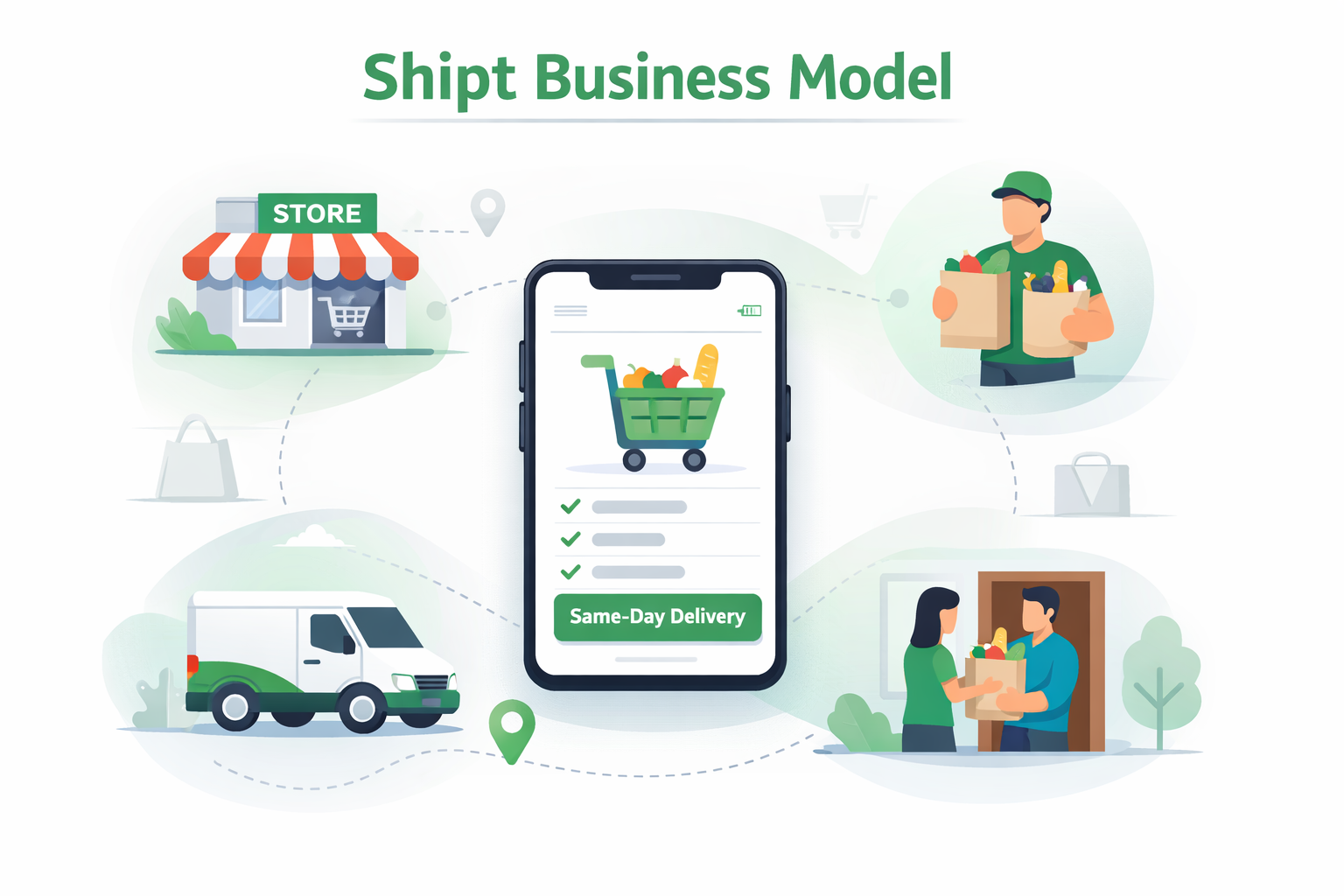
Shipt Business Model How Shipt Makes Money From Same-Day Delivery
Shipt operates a membership-based grocery and retail delivery platform that connects customers with personal shoppers for same-day delivery. Customers pay monthly or annual subscriptions to access unlimited deliveries from local stores. The company…

Carvana Business Model: How Carvana Built a Billion-Dollar Online Car Retail Platform
Carvana operates a fully online used-car marketplace where customers can buy, sell, and finance vehicles without visiting a dealership. The company generates revenue through vehicle sales, auto financing via its partner Bridgecrest, trade-in arbitrage,…
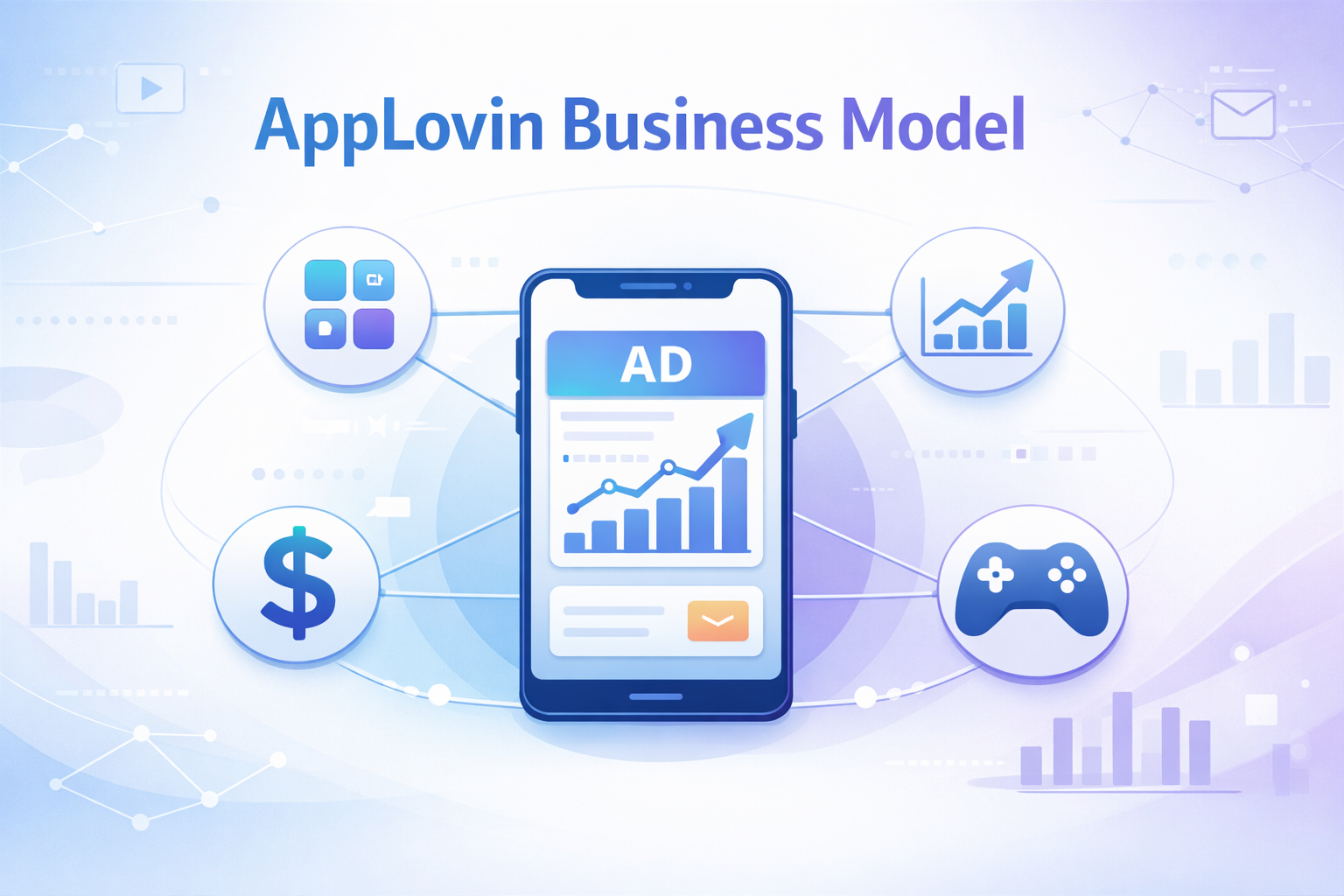
AppLovin Business Model
AppLovin is a mobile marketing and advertising technology company that helps mobile app developers grow and monetize their apps. Its business model is built around advertising software, app monetization tools, and owning mobile game studios. The company…

Opendoor Business Model Explained
Imagine selling your home the same way you order a pizza online. No open houses, no negotiating with strangers, no waiting for months hoping a buyer shows up. That is exactly what Opendoor promised when it launched, and it fundamentally changed how…
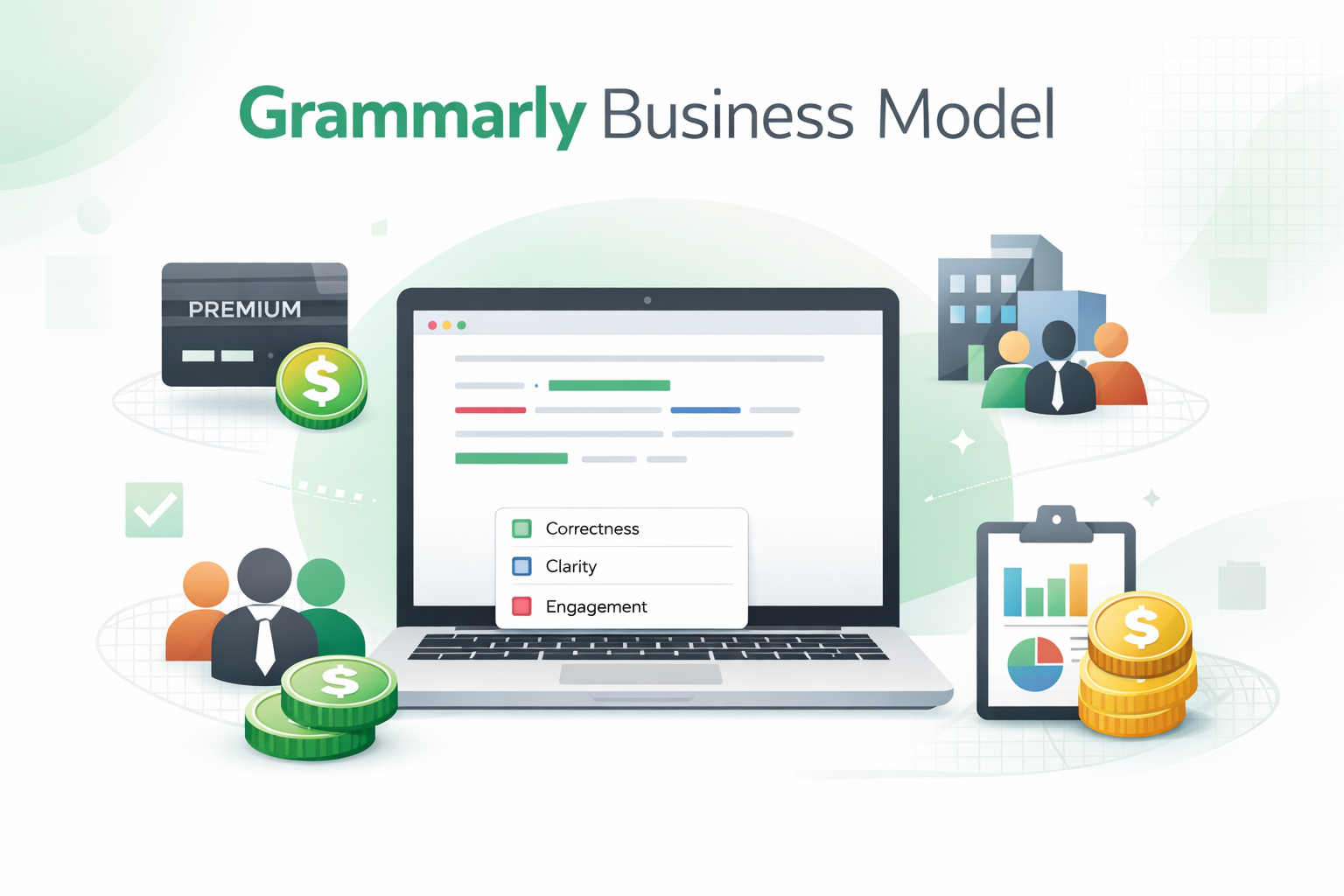
Grammarly Business Model Explained
Grammarly makes money primarily through a freemium SaaS model, offering free writing tools with premium subscriptions and enterprise solutions. What started as a simple grammar checker has evolved into one of the most sophisticated AI writing platforms…
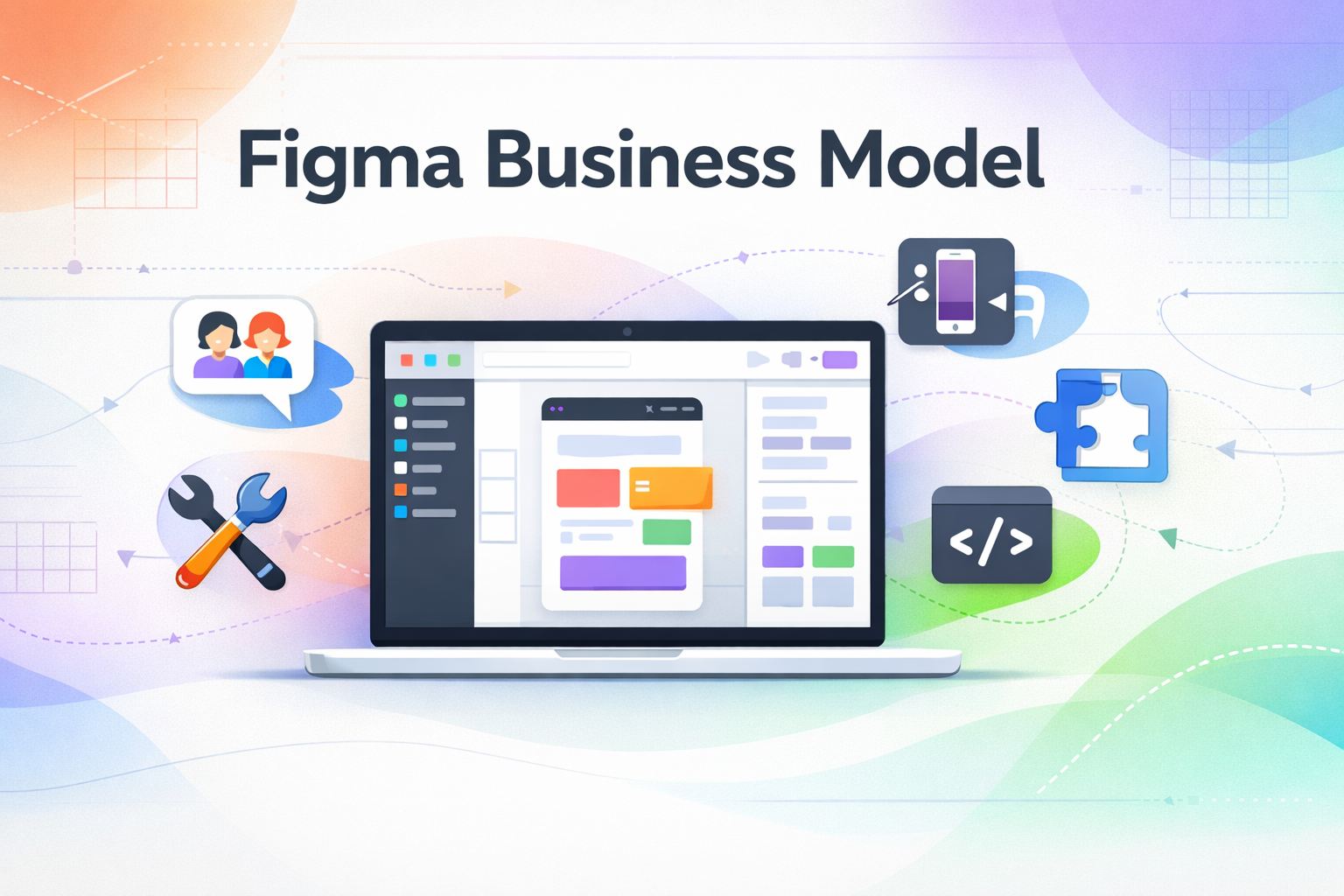
Figma Business Model: How Figma Built a $20B Collaborative Design Platform
The Figma business model is a freemium SaaS model built around browser-based collaborative design. Here’s the short version: What is Figma? Figma is a cloud-based design platform used for UI/UX design, product design, prototyping, and…

iFood Business Model: How the Brazilian Food Delivery Giant Makes Money
The food delivery industry has transformed how people eat, and nowhere is this more evident than in Latin America. At the center of this transformation stands iFood, a platform that has quietly become one of the most dominant digital marketplaces in the…

Letgo Business Model: How Letgo Makes Money from a Second-Hand Marketplace
The Letgo business model is based on a C2C (consumer-to-consumer) marketplace where users buy and sell second-hand products locally. The platform primarily earns revenue through advertising, promoted listings, and partnerships, while keeping the basic…

Zara’s Marketing Strategy Explained
Few brands in the history of retail have managed to rewrite the rules of an entire industry the way Zara has. What started as a single clothing store in a small Spanish city in 1975 is today one of the most recognized fashion brands on the planet, with…

Zara Business Model – How Zara Built the World’s Fastest Fashion Retail Empire
Zara operates on a fast fashion retail business model that has redefined how the world shops for clothes. The company designs, manufactures, and sells trendy clothing with extremely short production cycles, moving from concept to store shelf in a matter…

Bolt Business Model – How Bolt Makes Money in Ride-Hailing, Food Delivery, and Micromobility
Bolt operates a multi-service mobility platform business model that connects drivers, riders, restaurants, couriers, and vehicle renters through a single digital marketplace. The company generates revenue through ride-hailing commissions, food delivery…

inDrive Business Model – How inDrive Makes Money by Letting Riders Set the Price
When was the last time you negotiated the price of your Uber ride? Probably never, because you cannot. The algorithm decides, and you either accept it or open a different app. inDrive looked at this exact dynamic and built an entire company around…

OpenSea Business Model – How OpenSea Makes Money From NFTs
OpenSea is one of the largest NFT marketplaces in the world, connecting digital creators with buyers and collectors. The platform allows users to buy, sell, and mint NFTs across multiple blockchain networks. OpenSea makes money primarily through…

Redfin Business Model – How Redfin Disrupted Traditional Real Estate Brokerage
Real estate has always been one of the most commission-heavy industries in the world. For decades, buying or selling a home meant handing over 5–6% of the transaction value to agents. On a $500,000 home, that’s $25,000–$30,000 in fees. Redfin…
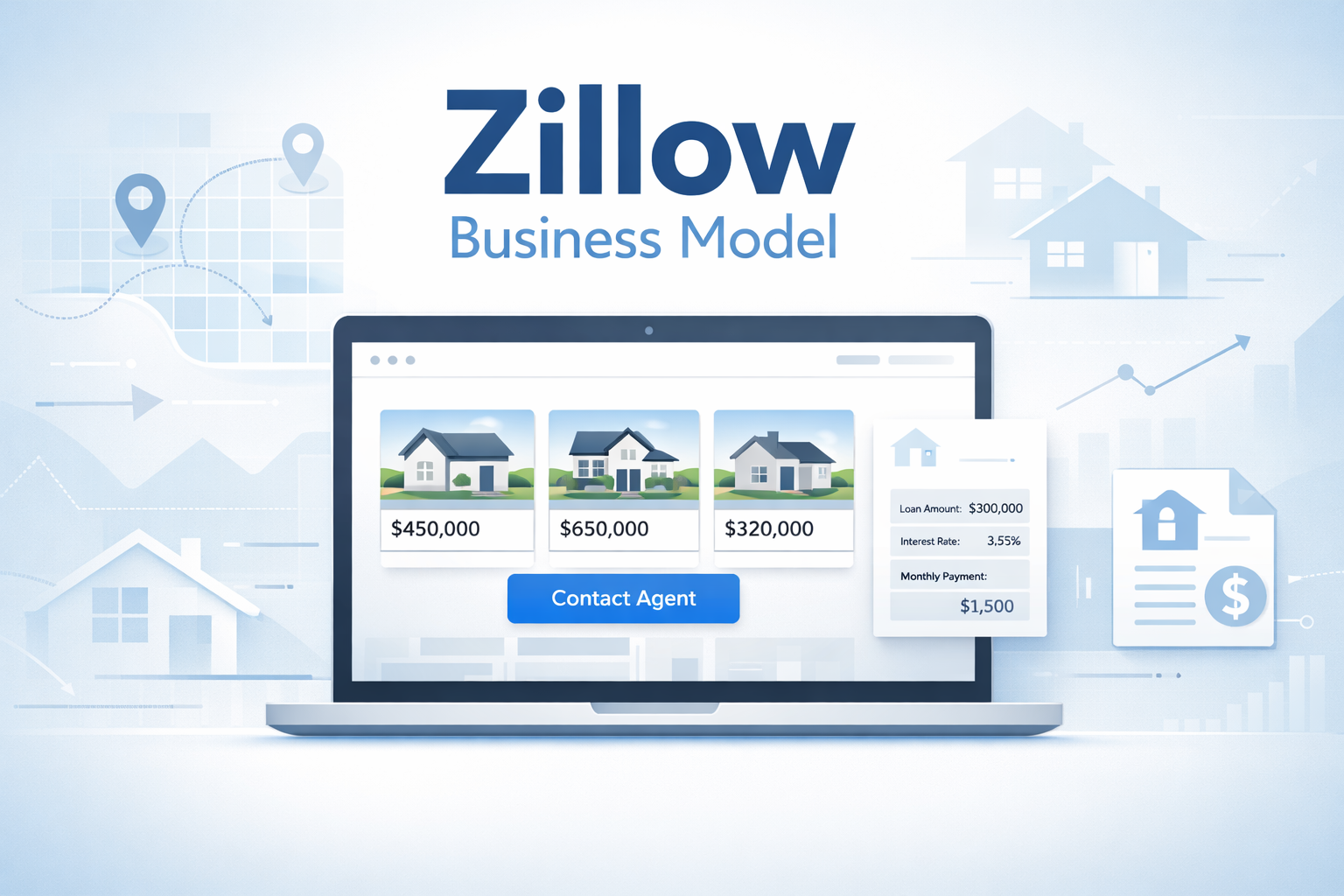
Zillow Business Model – How Zillow Makes Money From Real Estate Without Owning Most Homes
Zillow makes money primarily by selling high intent buyer leads to real estate agents through its Premier Agent program. It also generates revenue from mortgage origination, rental listings, and closing services. Instead of acting like a traditional…

Reddit Business Model – How Reddit Makes Money from Communities
Reddit makes money primarily through advertising, premium subscriptions (Reddit Premium), awards and virtual goods, and data licensing, while keeping its community-driven structure intact. Unlike traditional social media platforms, Reddit monetizes…

Moglix Business Model – How This B2B Unicorn Is Digitising Industrial Supply Chains
The Moglix business model is a B2B eCommerce and supply chain digitisation model. It connects manufacturers and industrial suppliers with businesses through a technology-driven procurement platform. Moglix makes money through product margins, bulk supply…

Oura Ring Business Model – How a Smart Ring Turned Sleep Data Into a Subscription Empire
The Oura Ring business model combines premium hardware sales with a recurring subscription model. Oura Health Oy sells its smart ring as a one-time purchase, but users must pay a monthly membership fee to unlock full health insights, analytics, and…

Audible Business Model – How Audible Makes Money from Audiobooks
Audible operates on a subscription-based digital content model where users pay a monthly fee to receive audiobook credits. It also generates revenue from direct audiobook purchases and benefits enormously from being embedded inside Amazon’s…