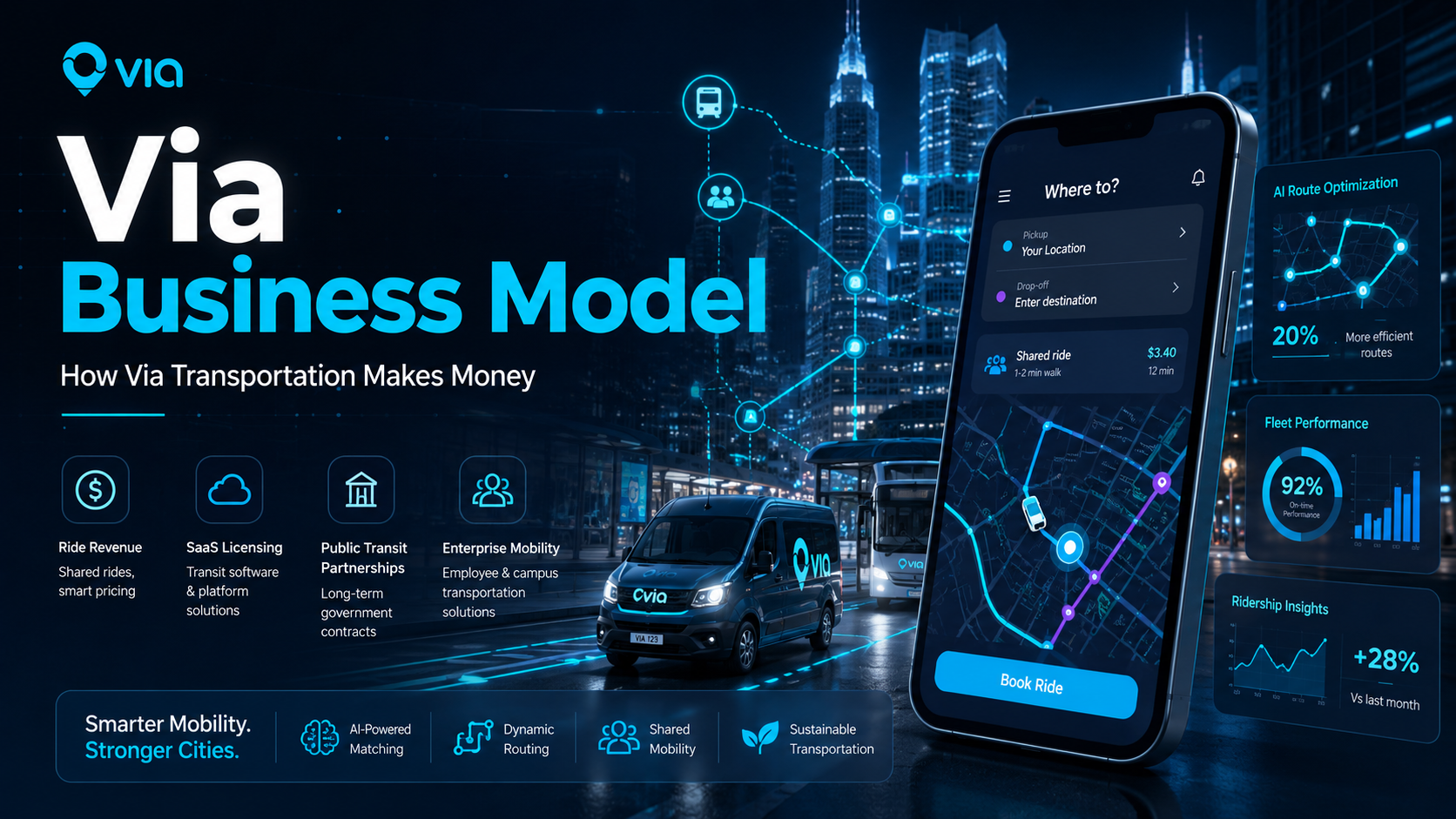
Via Business Model And How This Transit-Tech Startup Built a Smarter Alternative to Uber

Via operates on a Mobility-as-a-Service (MaaS) business model where it earns revenue through ride fares, SaaS licensing, government transit partnerships, and enterprise mobility solutions. Unlike traditional ride-sharing companies that focus solely on…
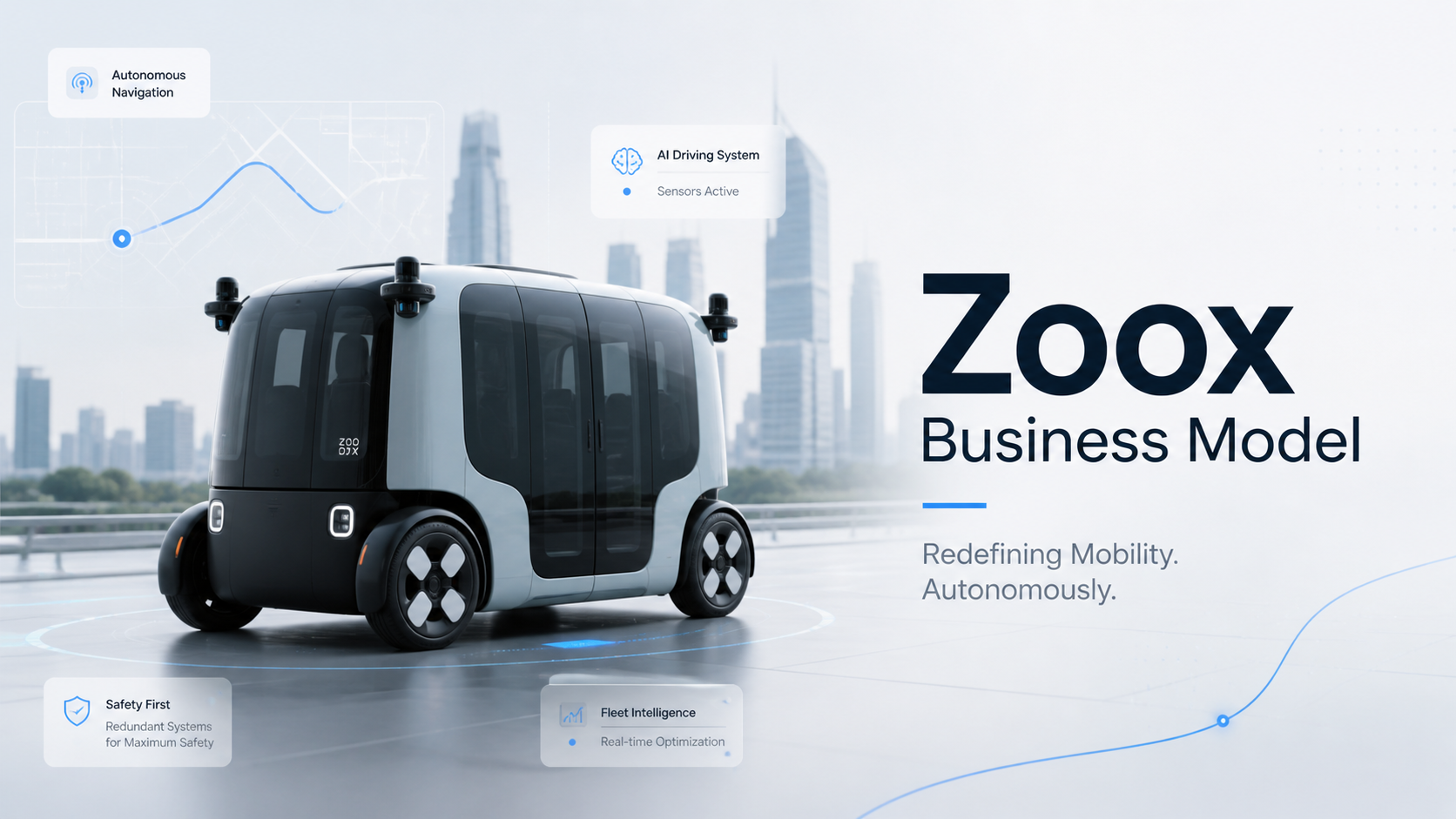
Zoox Business Model And How Amazon Is Building a Driverless Taxi Empire
Zoox is a self-driving vehicle company headquartered in Foster City, California. Amazon acquired it in 2020 for a reported $1.2 billion, and since then, it has been quietly building what could become one of the most disruptive transportation companies in…
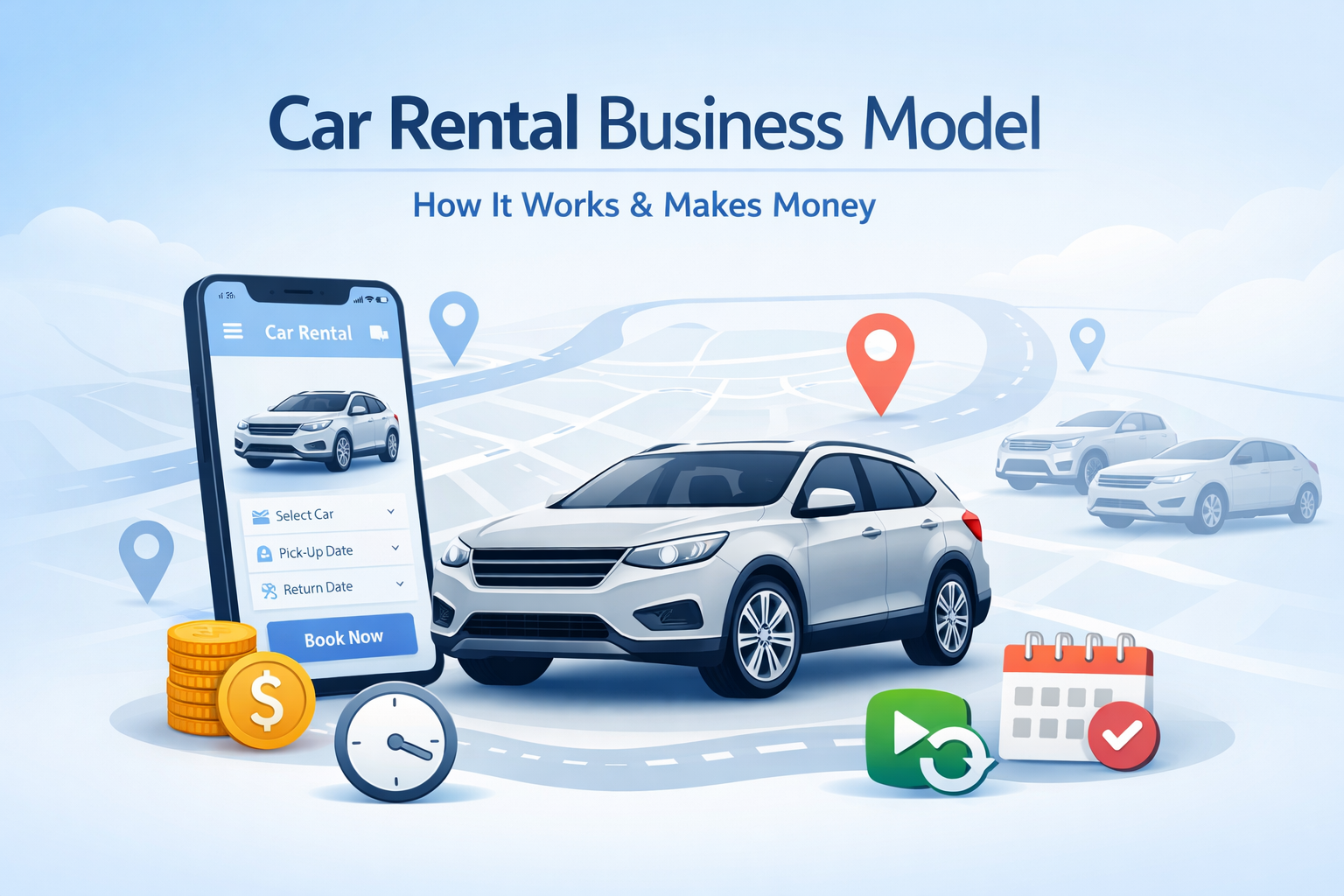
Car Rental Business Model: How It Works, Revenue Streams, and Growth Strategy
A car rental business model works by providing vehicles to customers for short-term or long-term use in exchange for a rental fee. Companies generate revenue through daily rentals, subscriptions, add-ons like insurance and GPS, and corporate…

Bolt Business Model – How Bolt Makes Money in Ride-Hailing, Food Delivery, and Micromobility
Bolt operates a multi-service mobility platform business model that connects drivers, riders, restaurants, couriers, and vehicle renters through a single digital marketplace. The company generates revenue through ride-hailing commissions, food delivery…

inDrive Business Model – How inDrive Makes Money by Letting Riders Set the Price
When was the last time you negotiated the price of your Uber ride? Probably never, because you cannot. The algorithm decides, and you either accept it or open a different app. inDrive looked at this exact dynamic and built an entire company around…
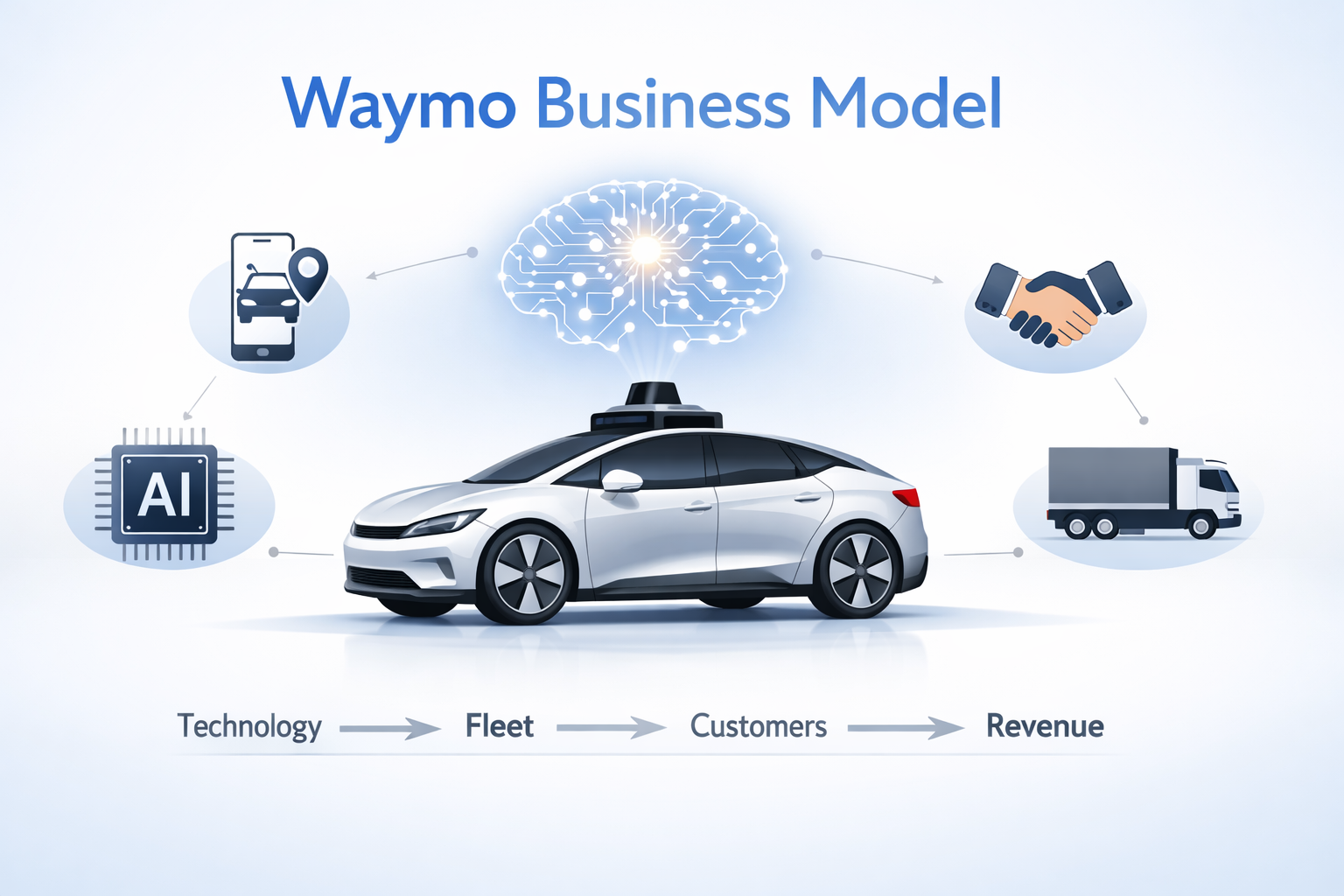
Waymo Business Model Explained: How Waymo Makes Money in Autonomous Driving
In Short Waymo’s business model is built around autonomous driving technology. It develops self-driving systems and monetizes them through robotaxi services, partnerships with automakers, and autonomous logistics solutions. The autonomous vehicle…
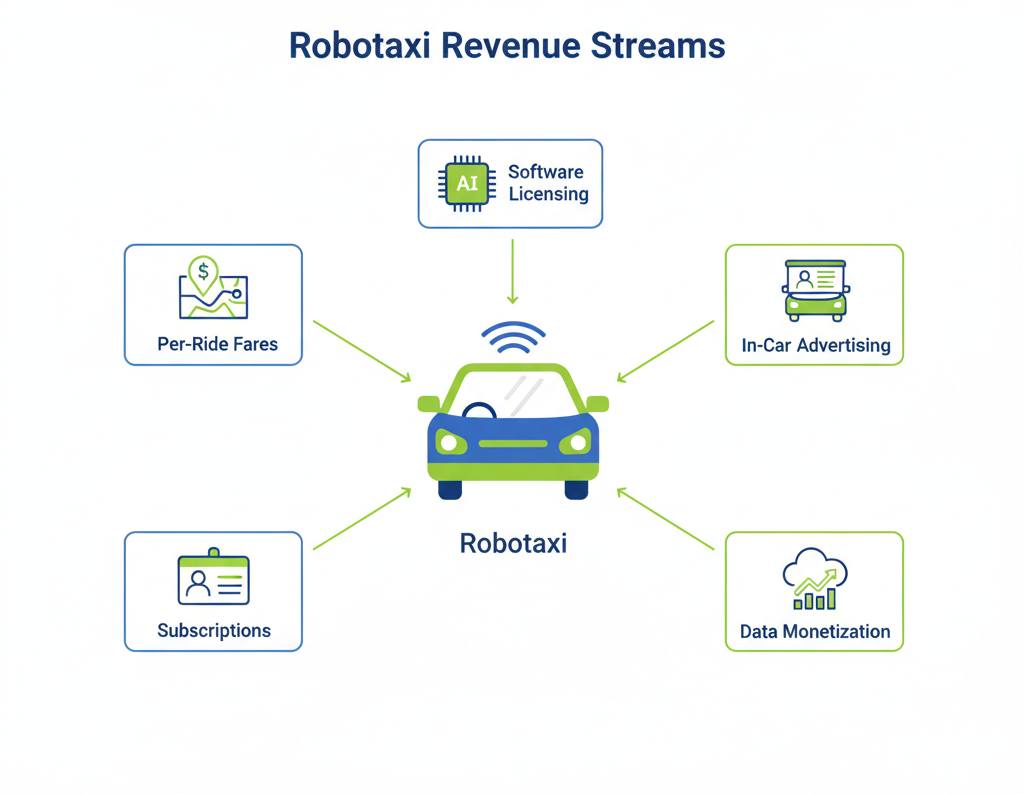
Robotaxi Business Model Explained: Revenue Streams, Costs & Future Growth
A robotaxi is an autonomous vehicle that provides ride-hailing services without a human driver. These self-driving cars use artificial intelligence, advanced sensors, and sophisticated software to navigate city streets, pick up passengers, and complete…
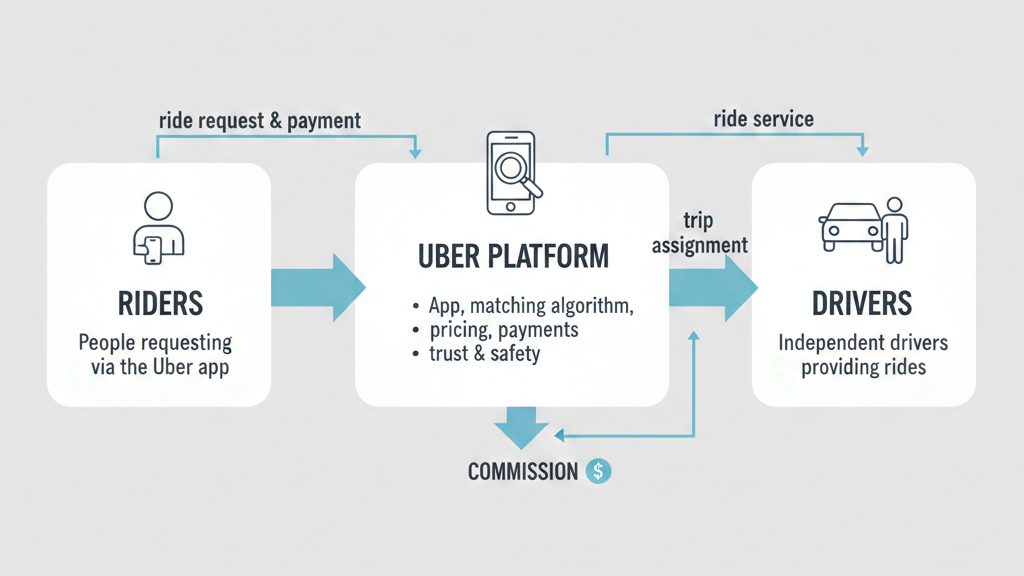
What Is the Core Business Model of Uber?
Short answer: Uber’s core business model is a platform-based marketplace that connects riders with independent drivers and takes a commission from every completed ride. In simple words: Uber doesn’t own cars or employ drivers it owns the…
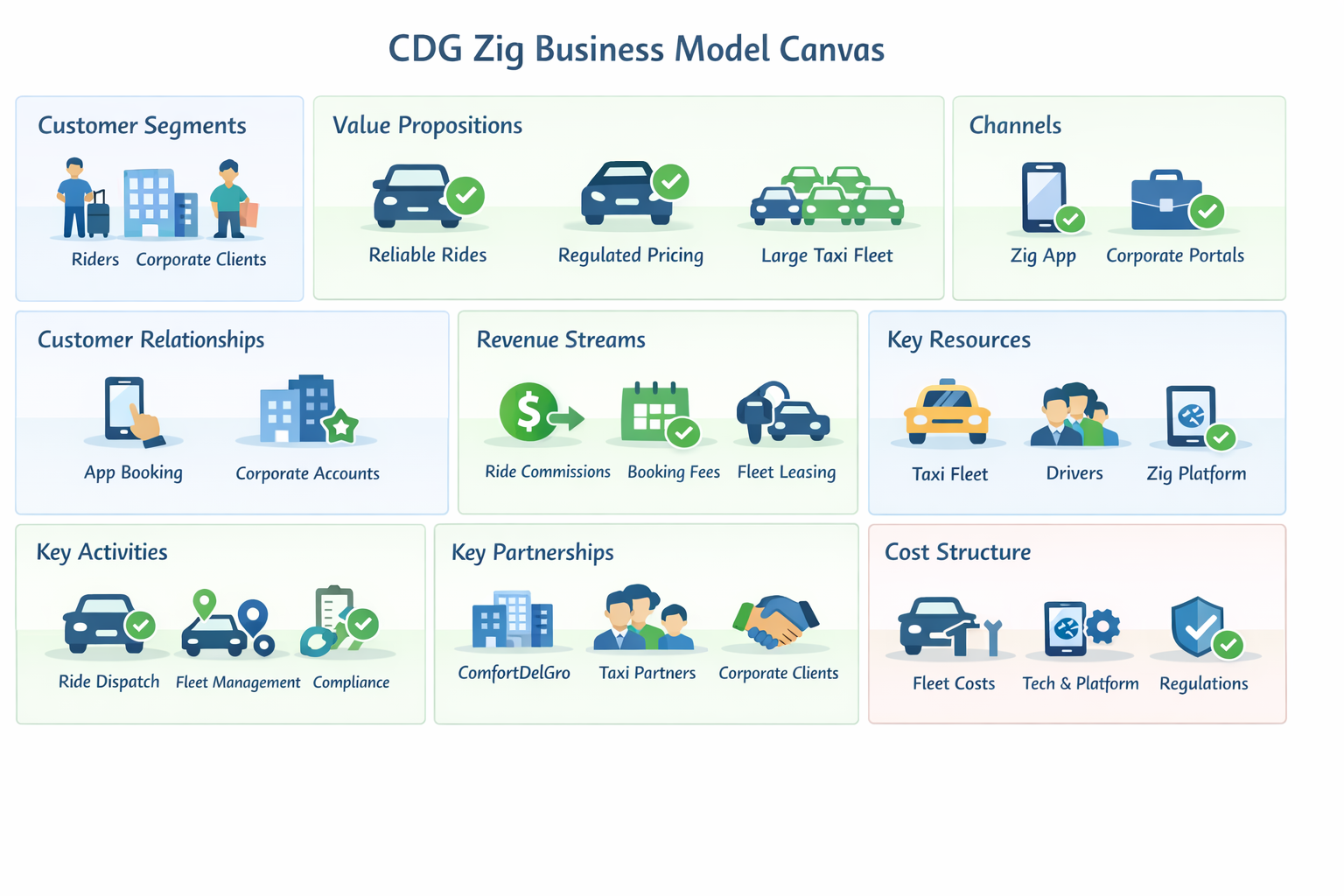
CDG Zig Business Model Explained
CDG Zig’s business model combines ride-hailing, taxi aggregation, fleet ownership, and platform commissions, allowing ComfortDelGro to monetise both digital bookings and physical transport assets. Unlike pure-play ride-hailing apps that rely solely…
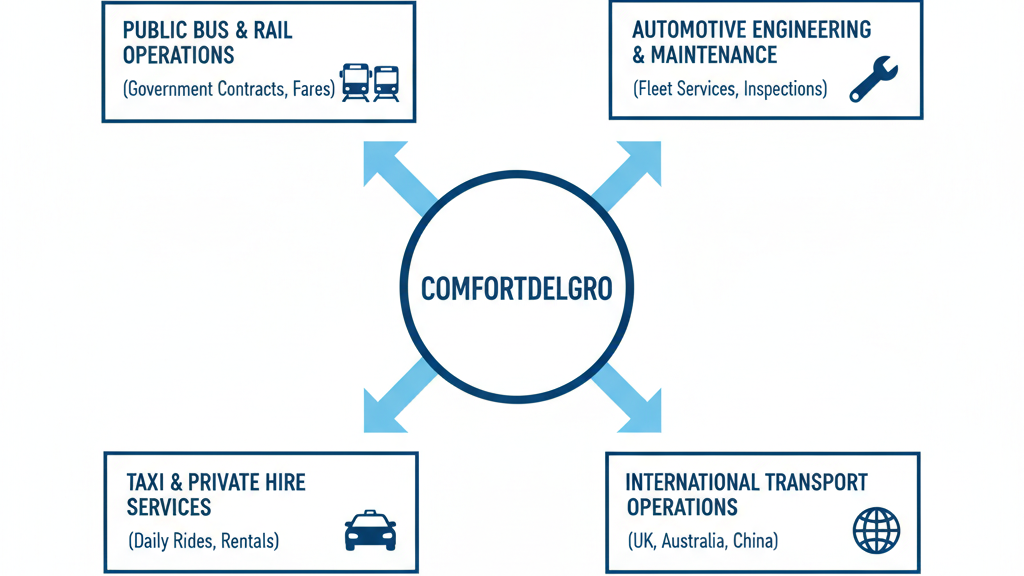
ComfortDelGro Business Model: How One of the World’s Largest Transport Groups Really Makes Money
ComfortDelGro makes money by operating buses, trains, taxis, and vehicle maintenance services across seven countries, earning revenue through passenger fares, government contracts, vehicle rentals, and engineering services. With operations in Singapore,…
DiDi Chuxing Franchise Model and Marketing Strategies: A Business Analysis
DiDi Chuxing stands as China’s dominant ride-hailing platform and one of the world’s largest mobility service providers, operating across Asia and Latin America. With over 550 million users and tens of millions of drivers, DiDi has…
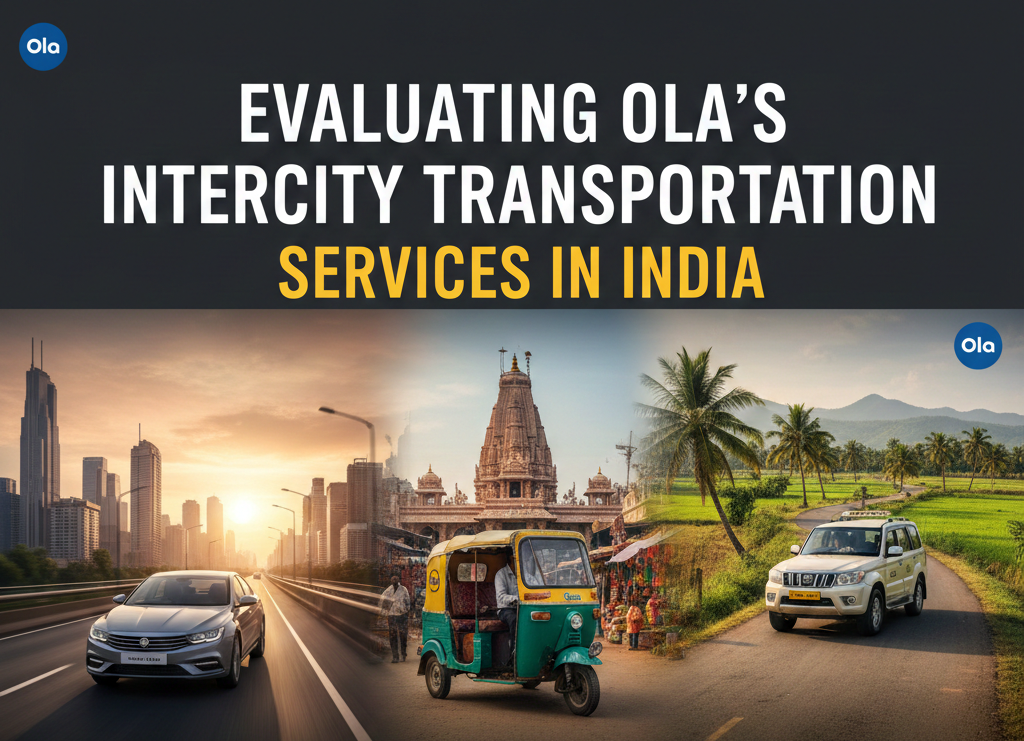
Evaluating Ola’s Intercity Transportation Services in India: A Critical Analysis
Let me start with a scenario you’ve probably lived through: It’s 5 AM, you’re standing outside your home with luggage, waiting for that pre-booked taxi to take you to your hometown. The driver calls and cancels. Panic sets in. Sound…
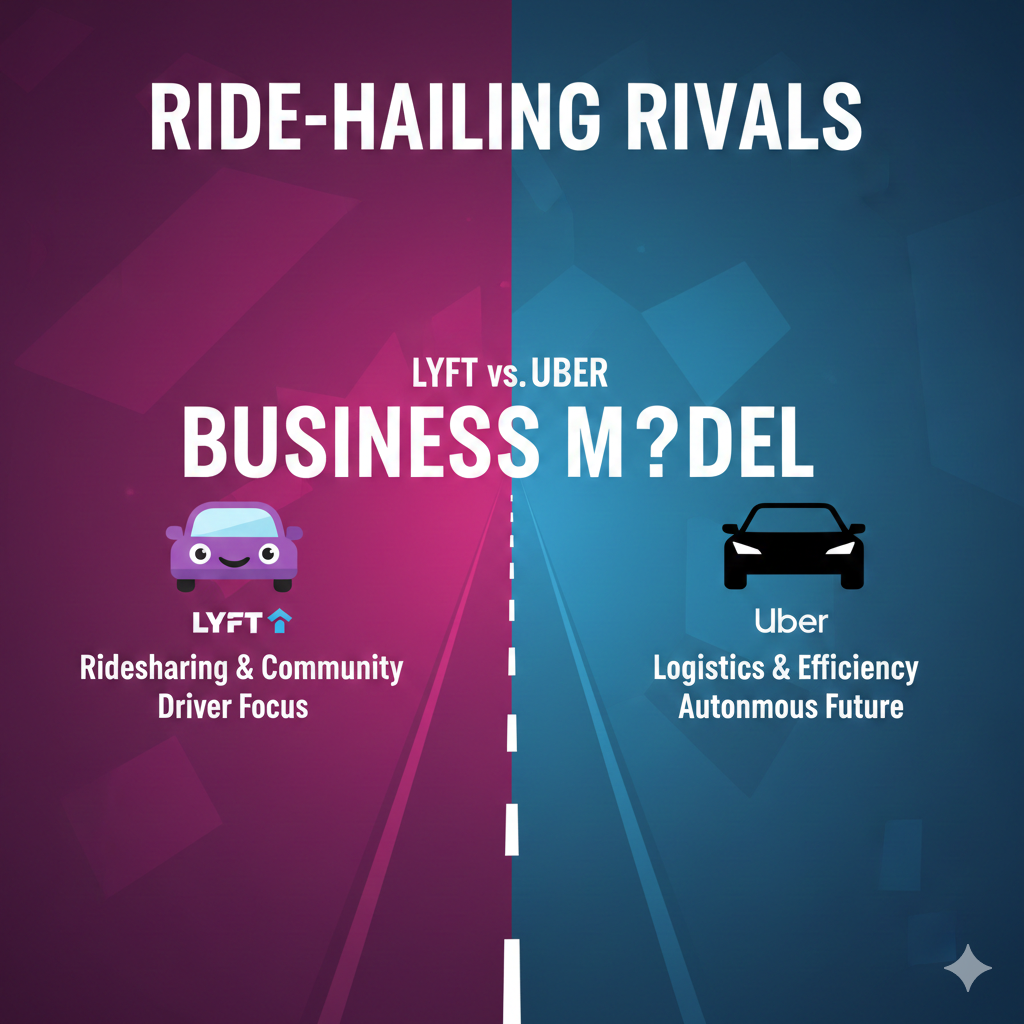
Lyft vs Uber Business Model
In the ride-hailing wars, two names dominate the conversation: Uber and lyft. Both started with the same basic idea connecting riders with drivers through a smartphone app but their paths have diverged dramatically. Uber has transformed into a sprawling…
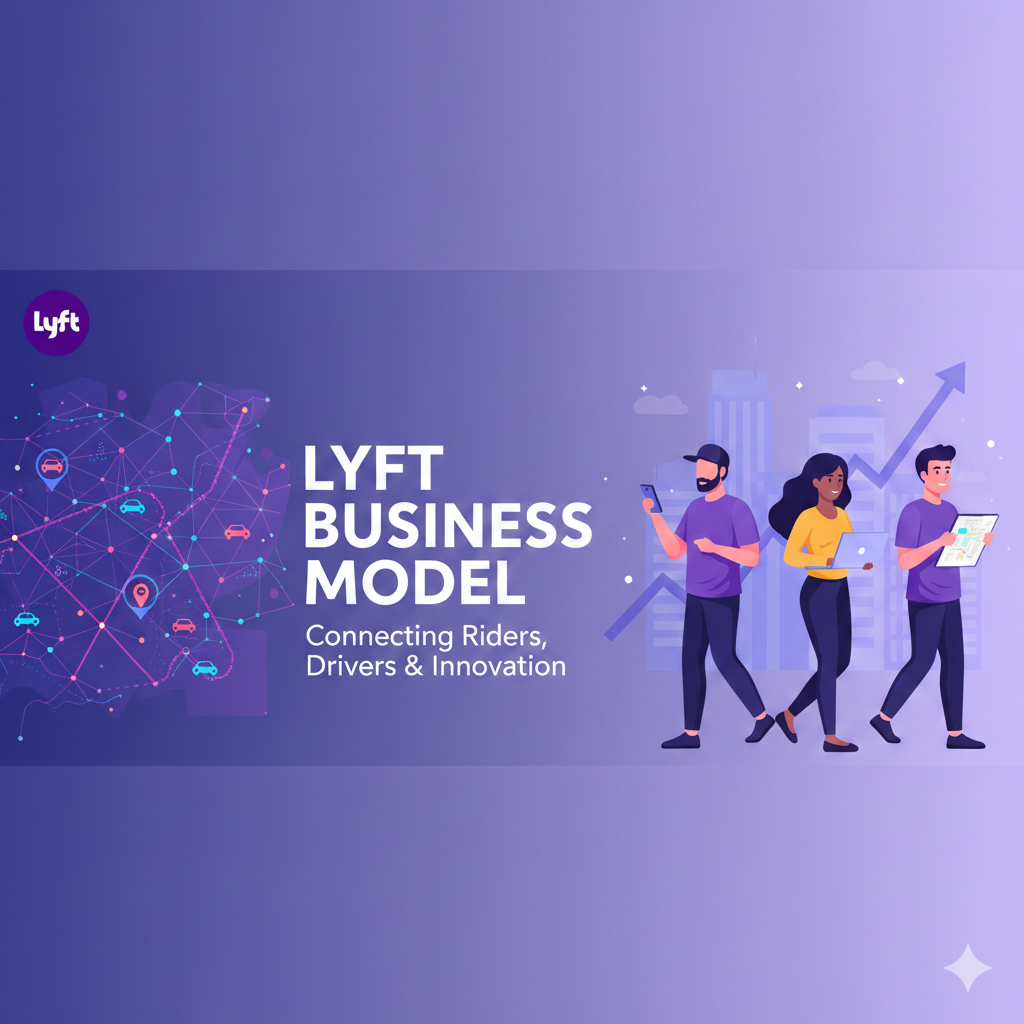
Lyft Business Model
In the world of ride-hailing, Lyft has carved out a distinctive position as America’s homegrown alternative to Uber. But how exactly does this pink-mustached platform turn rides into revenue? The answer is more nuanced than you might think. At its…
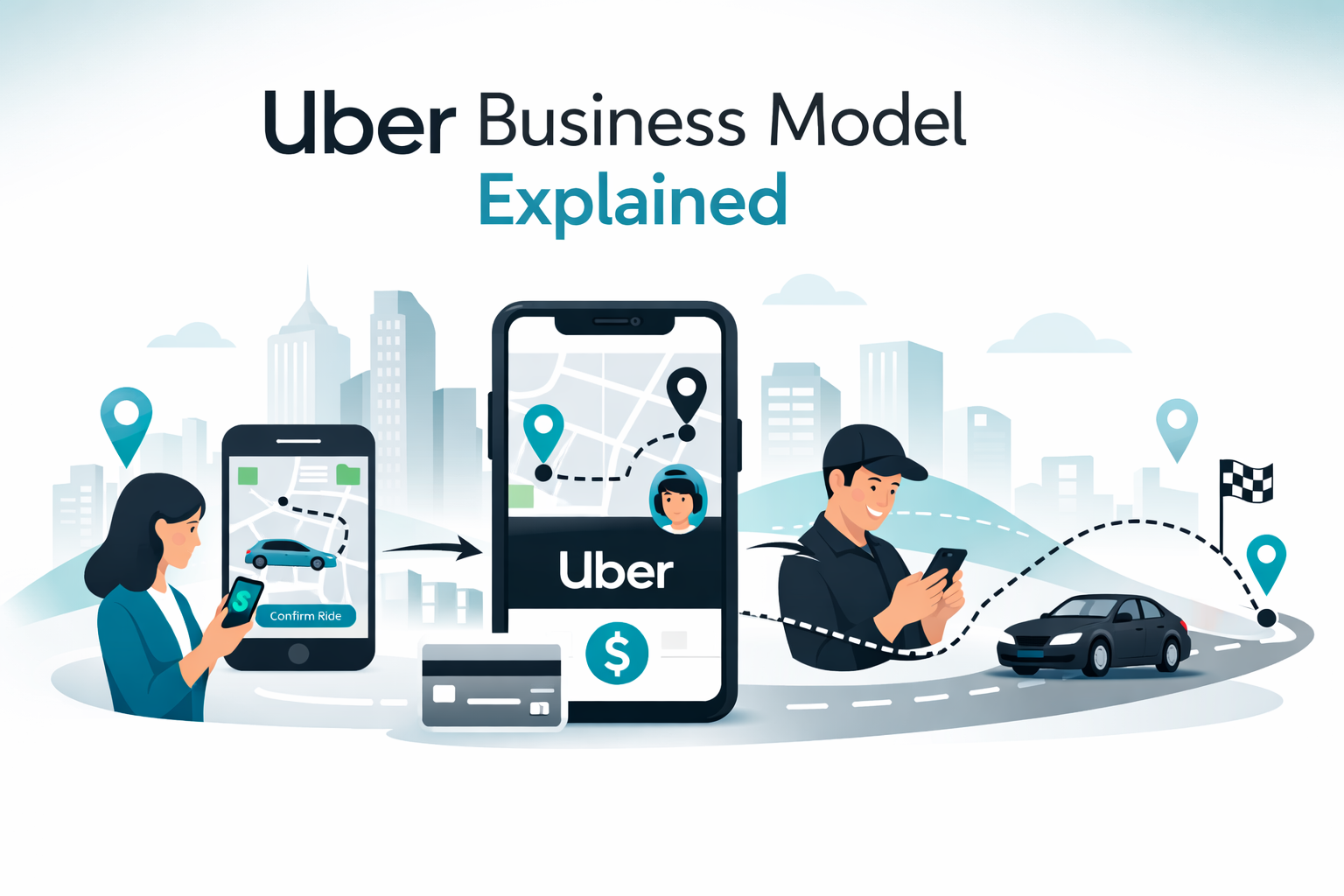
Uber Business Model Explained
Uber operates as a multi-sided technology platform connecting riders, drivers, restaurants, and couriers across a global network. The company generates revenue primarily through commissions on ride-hailing services, food delivery transactions, and…
DiDi Business Model Explained: How China’s Biggest Ride-Hailing App Makes Billions
DiDi Chuxing generates revenue through a diversified mobility ecosystem earning primarily from ride-hailing commissions while expanding into freight logistics, enterprise services, financial products, and international operations across 15+ countries.…

BlaBlaCar Business Model Explained (How Does BlaBlaCar Make Money)
BlaBlaCar generates revenue by charging service fees on ride bookings and bus tickets booked through its long-distance carpooling platform. Unlike traditional taxi services, BlaBlaCar connects drivers with empty seats to passengers traveling the same…
Ola Business Model: How India’s Ride-Hailing Giant Makes Money
Ola is a name that almost every Indian knows today. Whether you’ve taken a cab, auto, or even a bike ride through its app, Ola has quietly transformed urban transportation in India. But have you ever wondered how Ola actually makes money? What is the…