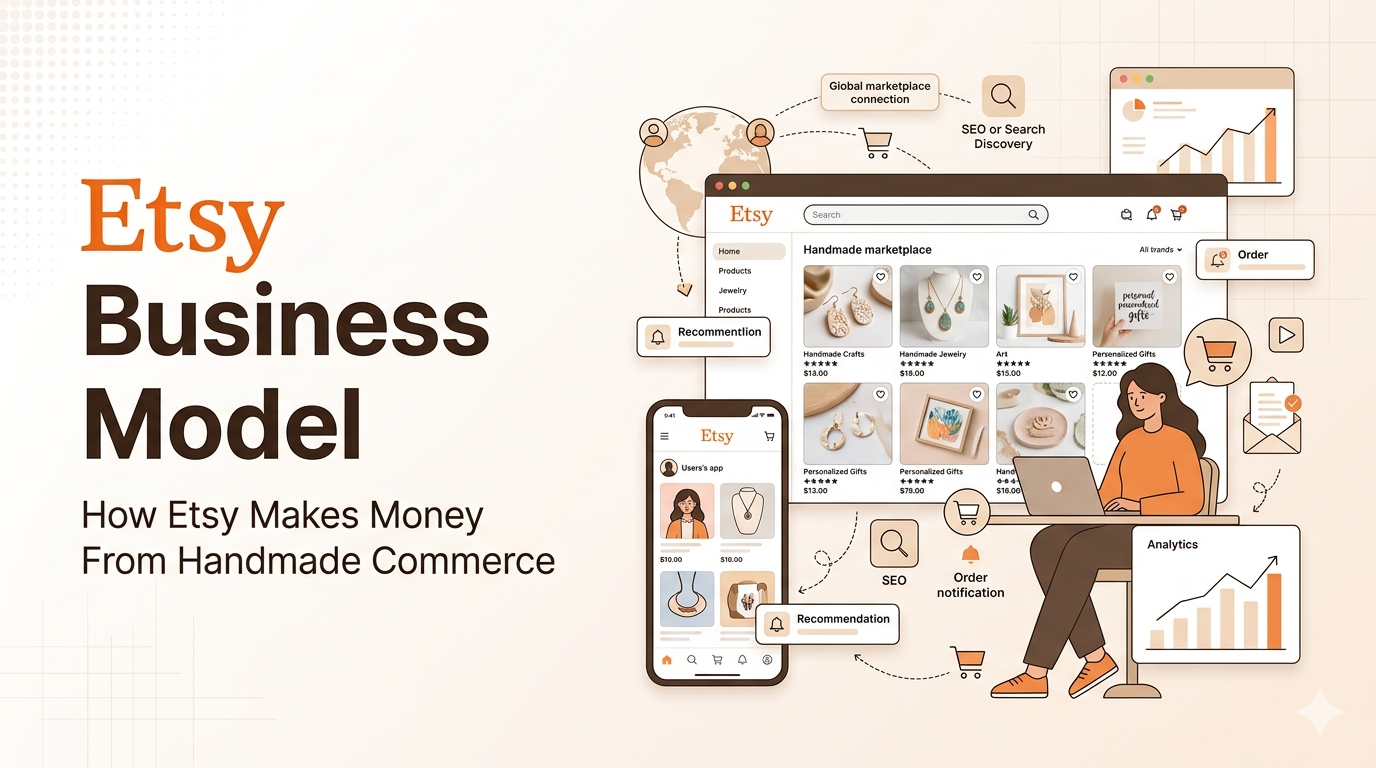
Etsy Business Model and How It Makes Money From Handmade and Creative Products

Etsy runs a marketplace business model that connects independent creators with buyers looking for handmade, personalized, and vintage products. Etsy earns revenue through listing fees, transaction commissions, advertising, subscriptions, and payment…
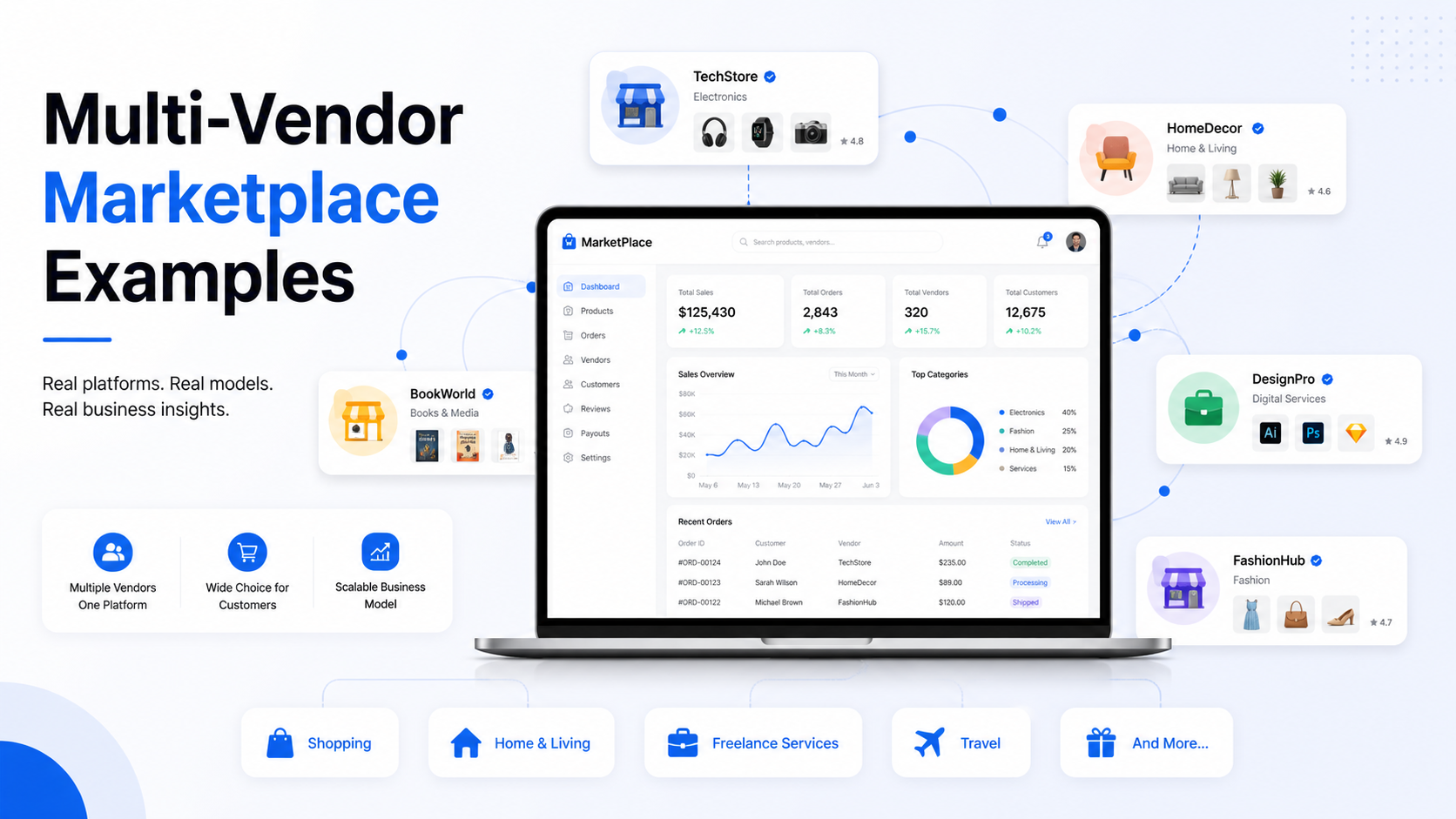
Top Multi-Vendor Marketplace Examples (With Real Business Insights You Can Copy)
A multi-vendor marketplace is a platform where multiple sellers list and sell products or services to buyers, while the platform owner earns through commissions, listing fees, or subscriptions. Popular examples include Amazon, Etsy, Airbnb, Fiverr, and…
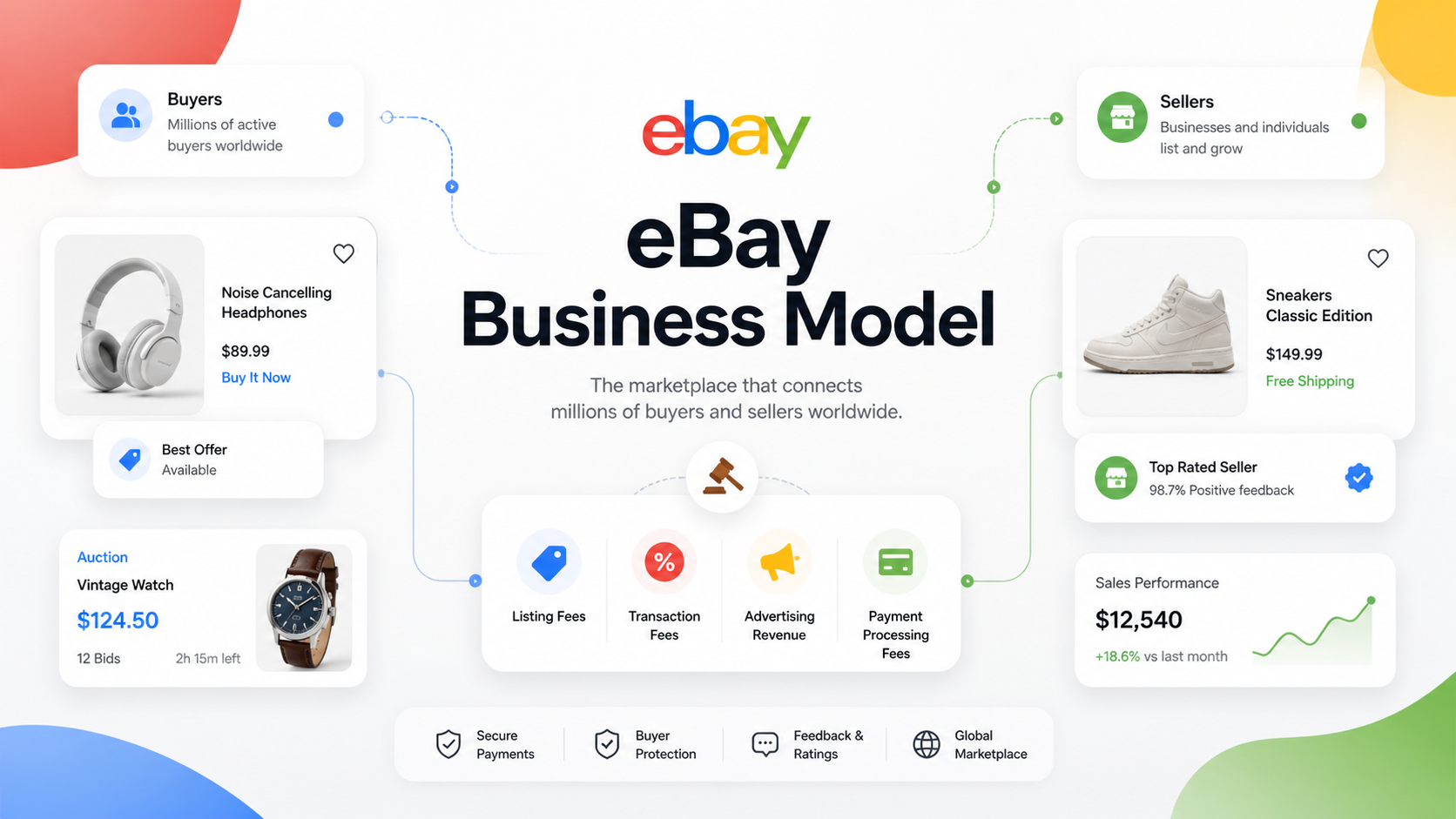
eBay Business Model And How eBay Makes Money
eBay operates as a two-sided online marketplace connecting buyers and sellers worldwide. Unlike retailers, eBay holds zero inventory. Instead, it earns revenue through transaction fees, listing fees, advertising products, and seller subscriptions. Its…
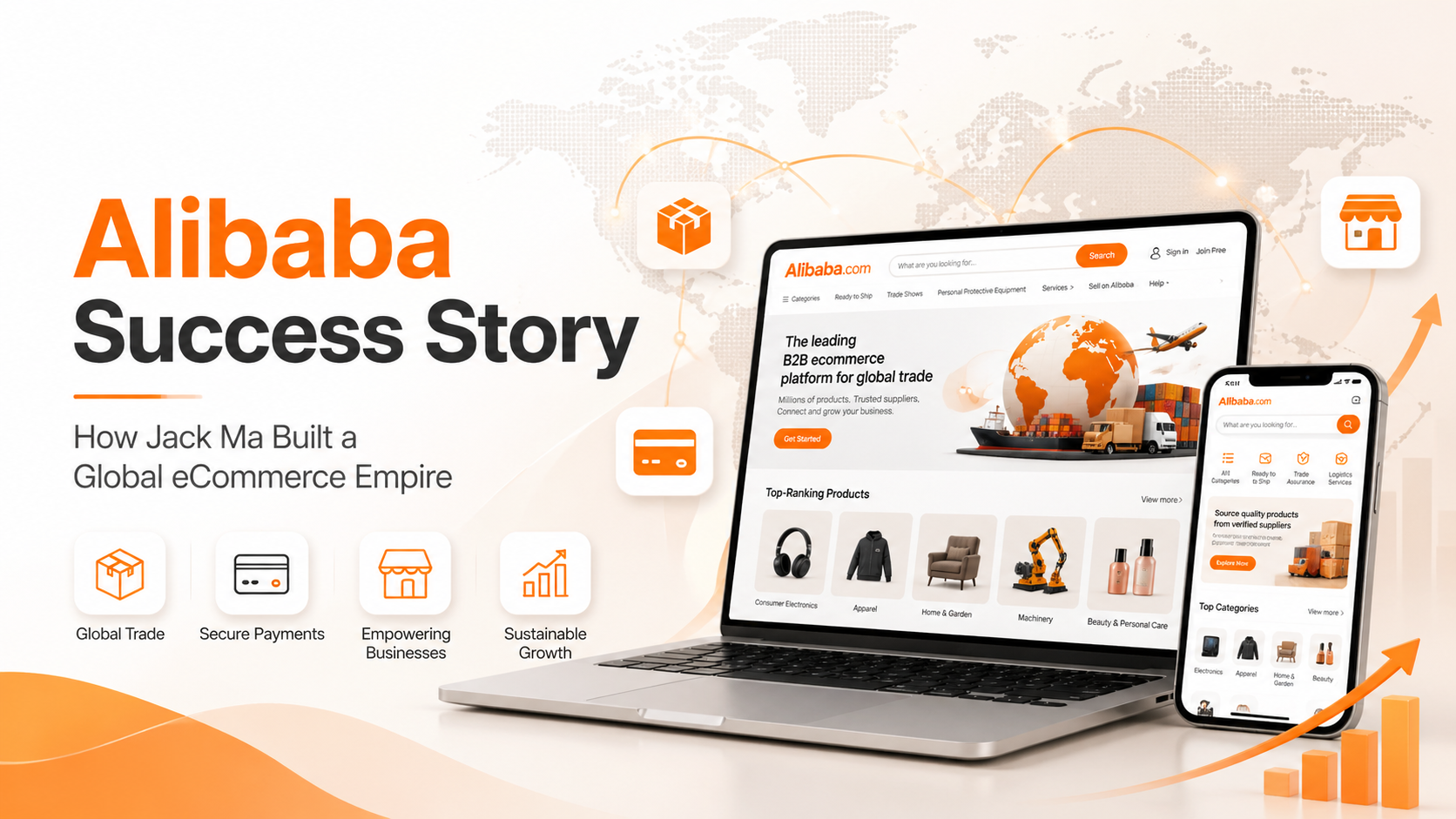
Alibaba Success Story And How a Rejected Schoolteacher Built a Global Commerce Empire
Alibaba Group is one of the world’s largest commerce and technology conglomerates. Founded in 1999 in Hangzhou, China, it connects buyers and sellers across B2B, B2C, and C2C markets. It is not simply an eCommerce company. It is a digital…
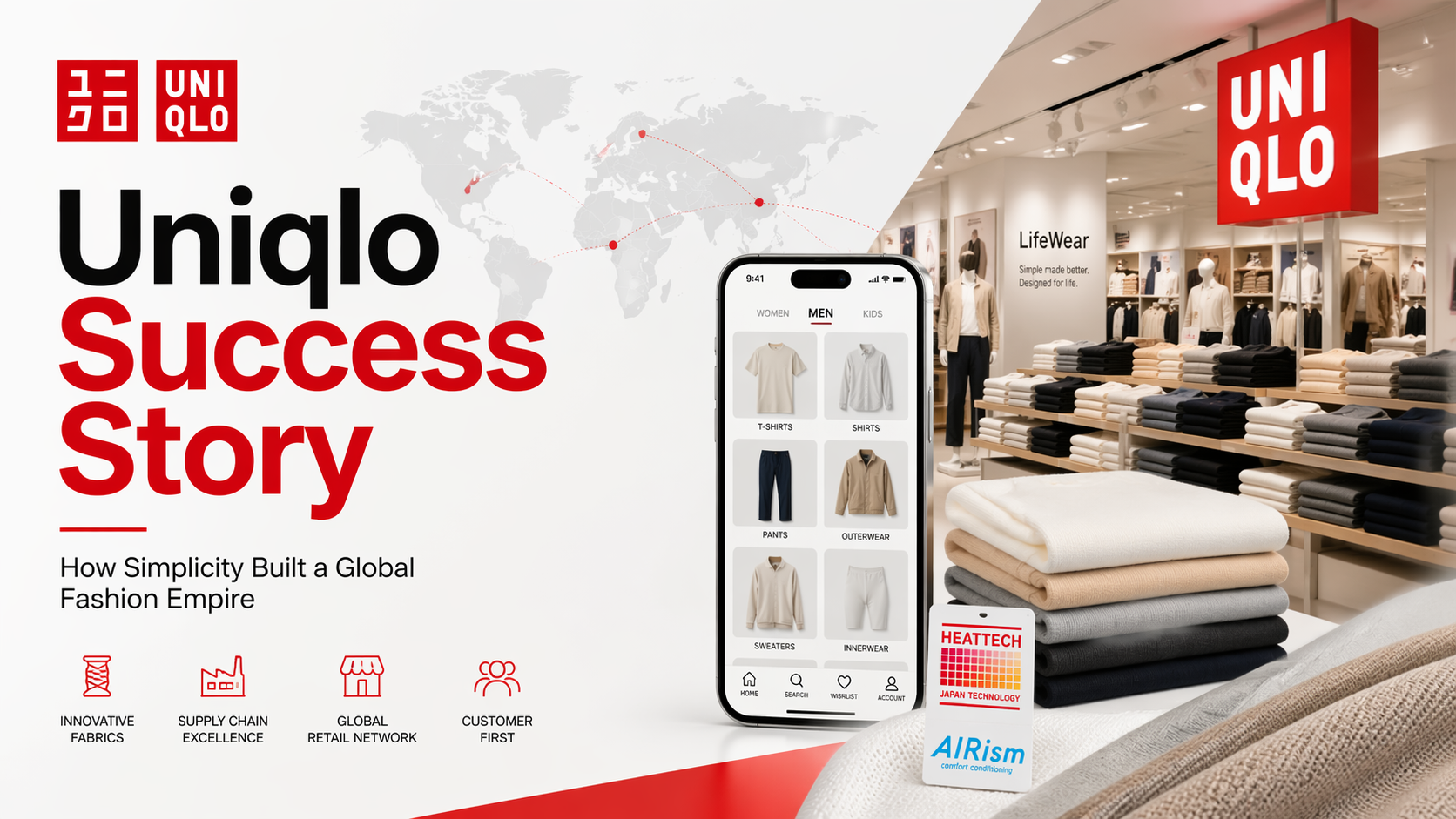
Uniqlo Success Story And How It Built a Global Fashion Empire Without Chasing Trends
What Made Uniqlo So Successful? Uniqlo became successful by doing the opposite of what every other fashion brand does. No trend chasing. No influencer overload. No seasonal chaos. Instead, they built a system around high-quality basics, fabric…
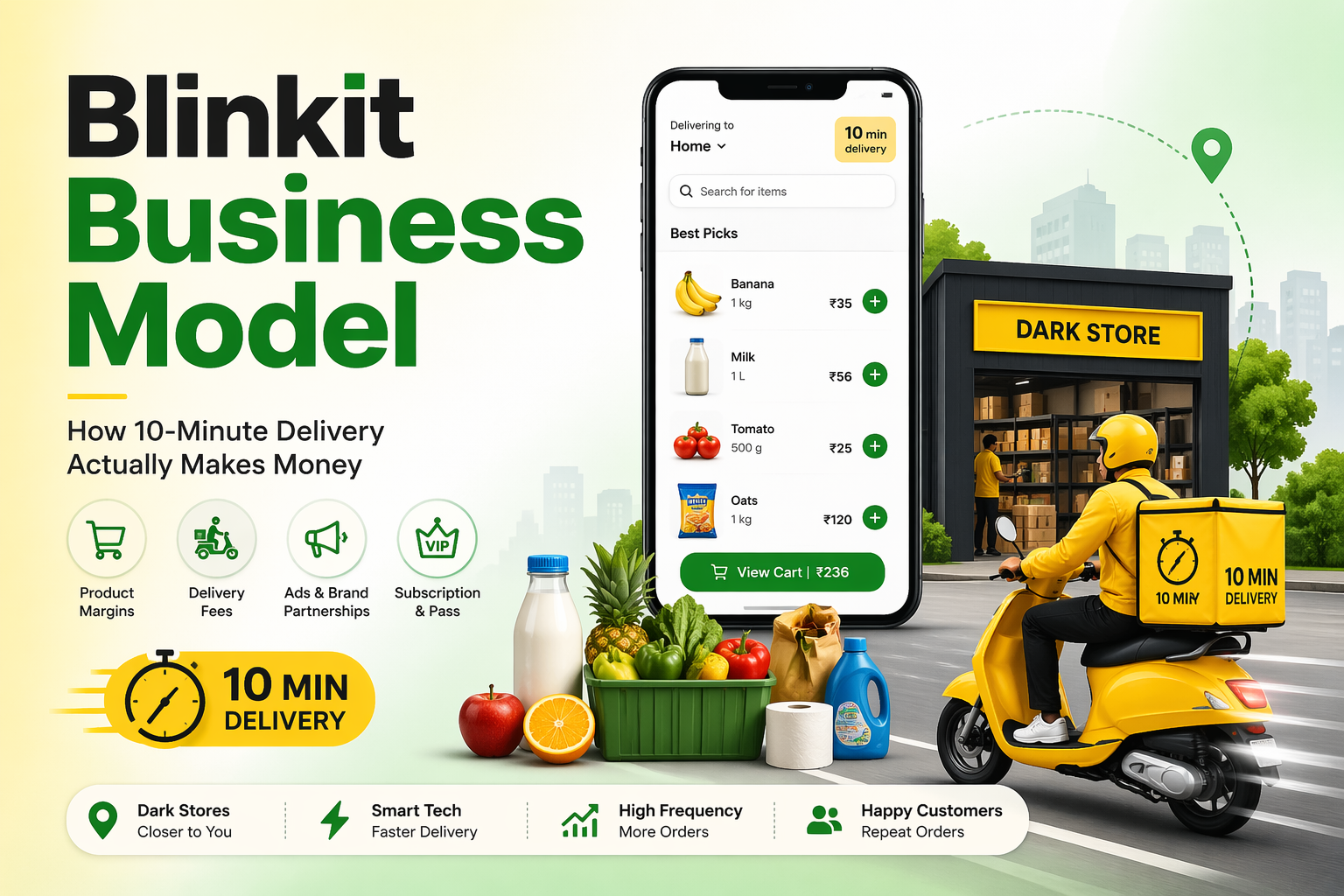
Blinkit Business Model And How 10-Minute Delivery Actually Makes Money
Blinkit’s business model runs on quick commerce. It delivers groceries and essentials within minutes using a network of dark stores, making money through product margins, delivery fees, platform commissions, and brand partnerships, while using…
Amazon SWOT Analysis Explained
Quick Answer: Amazon is the world’s largest eCommerce and cloud computing company. A SWOT analysis reveals it dominates through logistics speed, ecosystem design, and AWS profitability but faces real pressure from regulation, thin retail margins,…
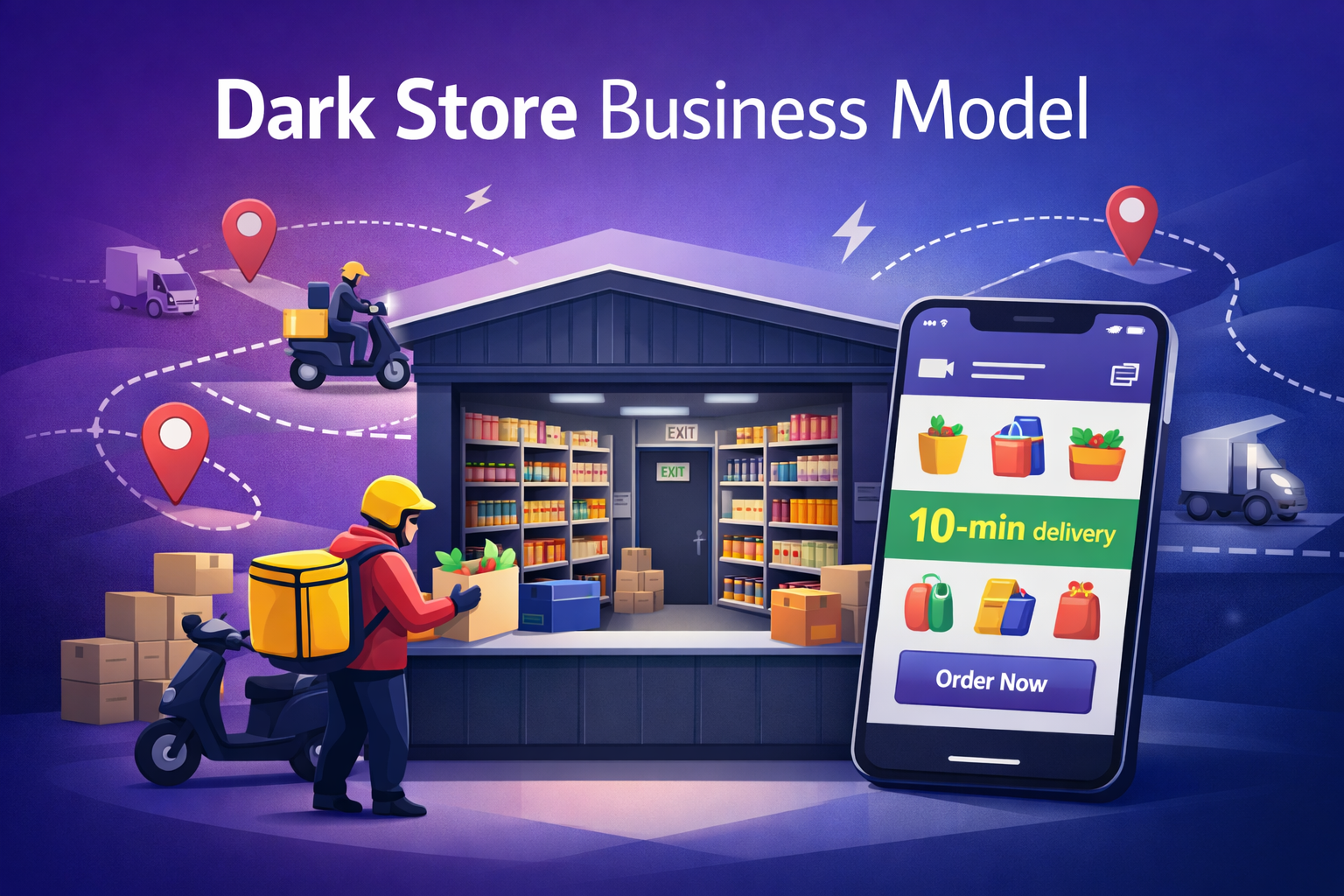
Dark Store Business Model And How Quick Commerce Giants Deliver in 10 Minutes
A dark store is a retail fulfillment center that looks like a grocery store on the inside but has zero customer access. No foot traffic, no shopping carts, no checkout lines. It exists solely to fulfill online orders as fast as possible. Companies like…
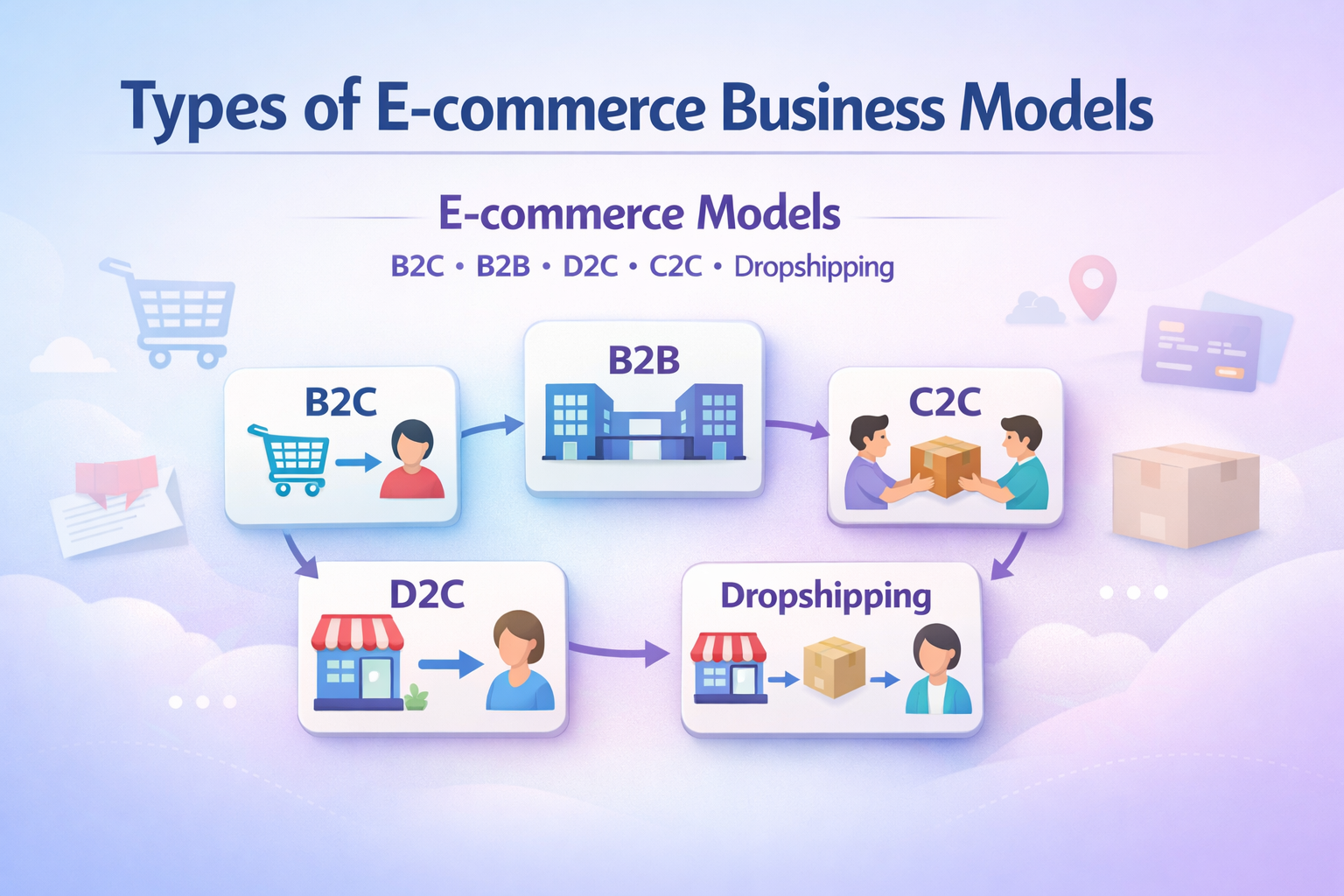
Types of E-commerce Business Models Explained
E-commerce business models define how an online business sells products or services and makes money. The most common types include B2C, B2B, C2C, C2B, and D2C models. Each one serves different customer segments and works in a completely different way.…
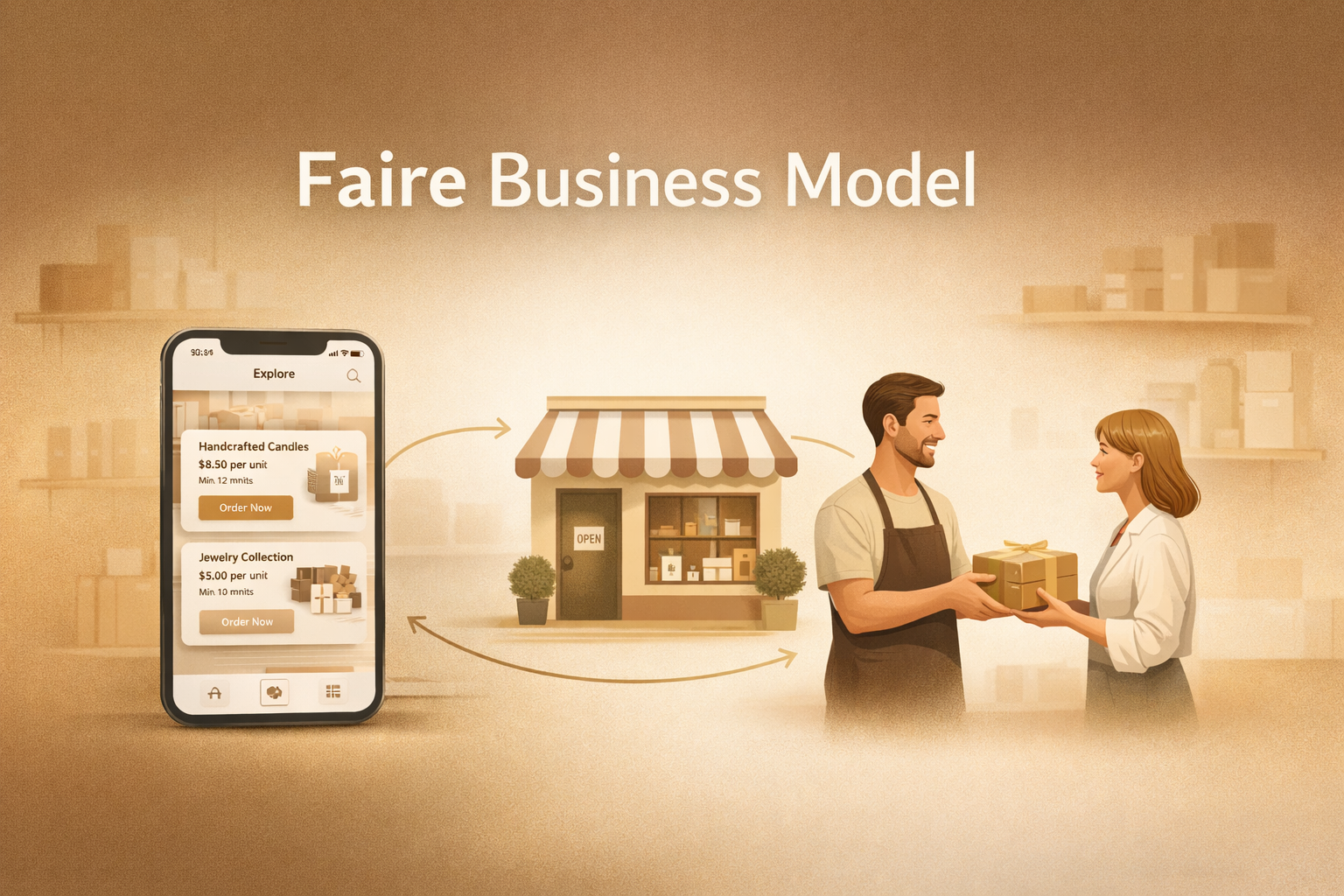
Faire Business Model And How Faire Is Reinventing Wholesale for Independent Retailers
Wholesale has always been a gamble. You order too much, you’re stuck with dead inventory. You order too little, you miss the season. You find a great brand, but their minimum order quantity is $2,000 and returns aren’t allowed. You’re a…
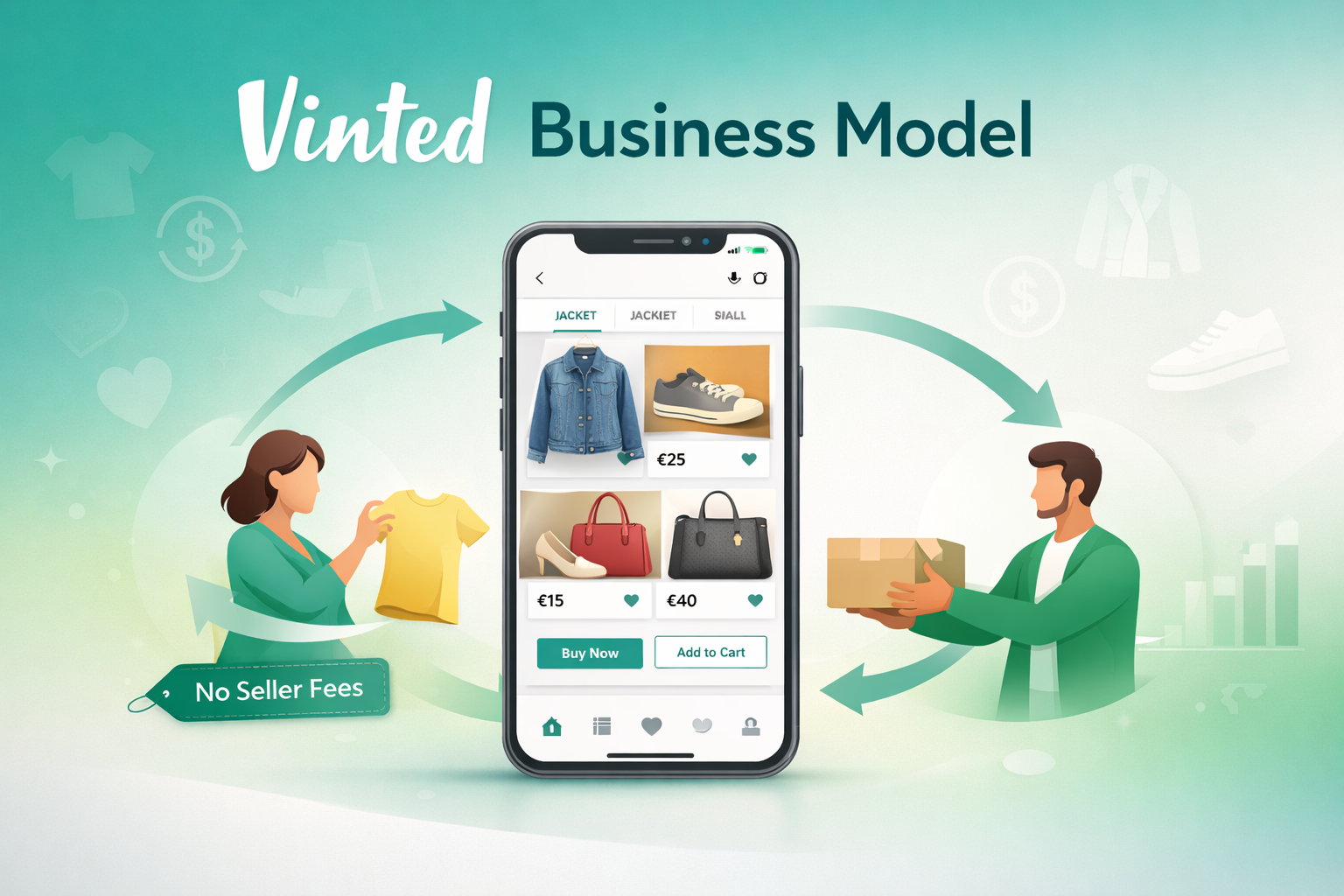
Vinted Business Model And How It Makes Money Without Charging Sellers
Vinted makes money primarily through buyer protection fees, shipping margins, and promoted listings, all while keeping seller fees at zero. This deliberate choice to flip the traditional marketplace model is what turned Vinted from a small Lithuanian…
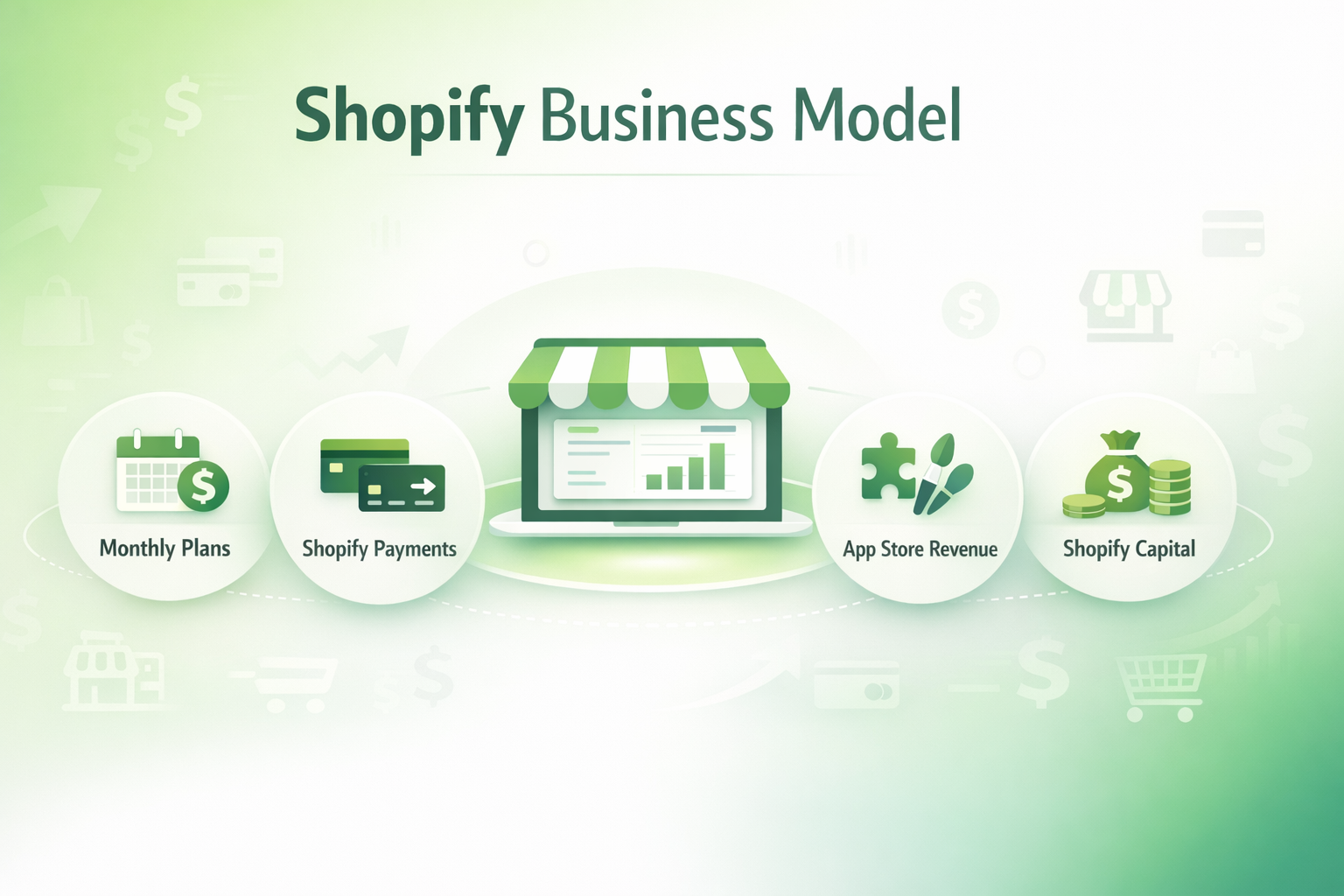
Shopify Business Model And How It Makes Money
Shopify makes money through a combination of subscription plans, transaction fees, payment processing, app and theme store revenue, point-of-sale systems, and financial services like Shopify Capital. It operates as a SaaS platform layered on top of a…
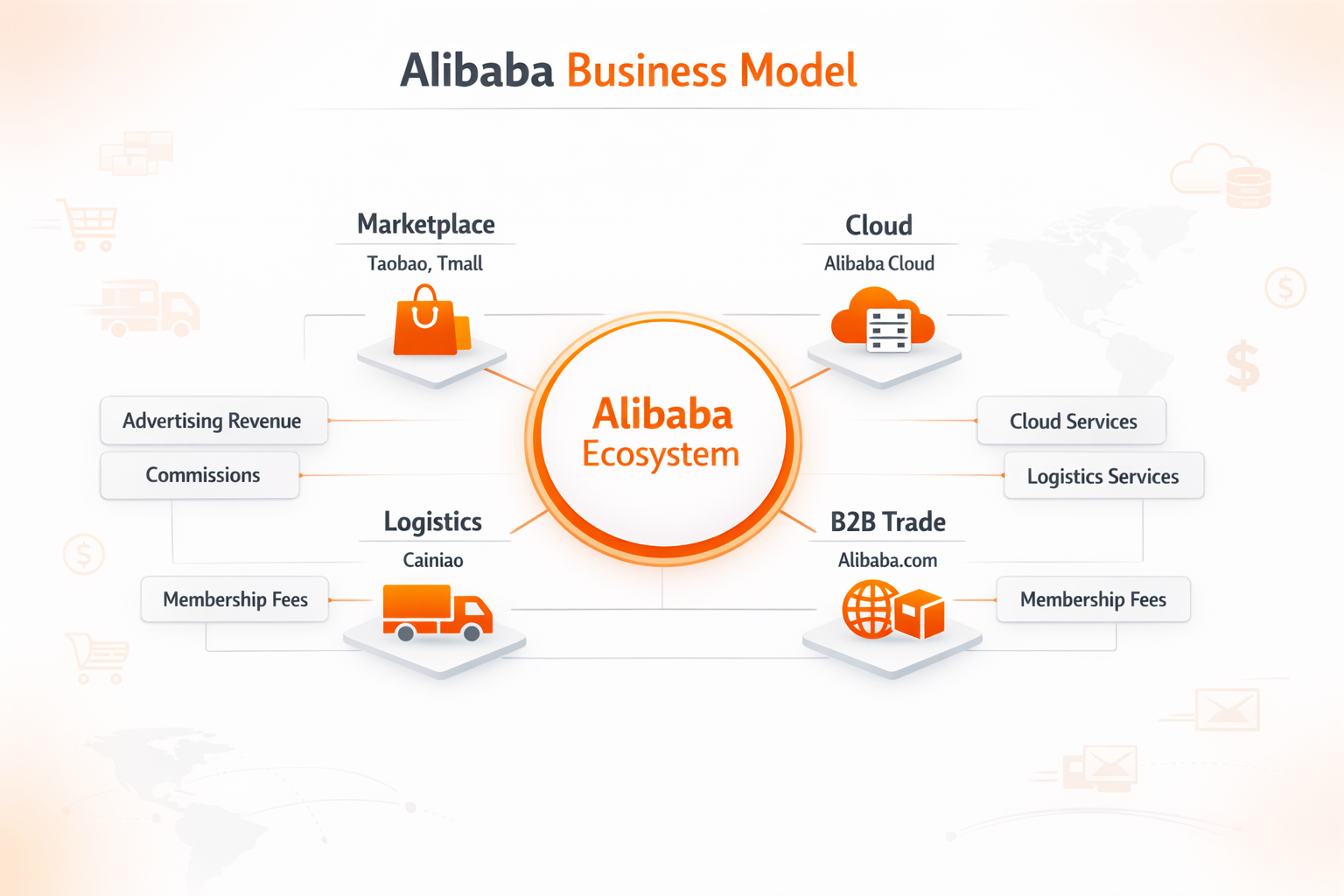
Alibaba Business Model And How It Makes Money
Alibaba is one of the most misunderstood companies in the world. Most people assume it is just a Chinese version of Amazon. But that comparison misses the point entirely. Alibaba does not sell products. It does not own inventory. It does not pack and…
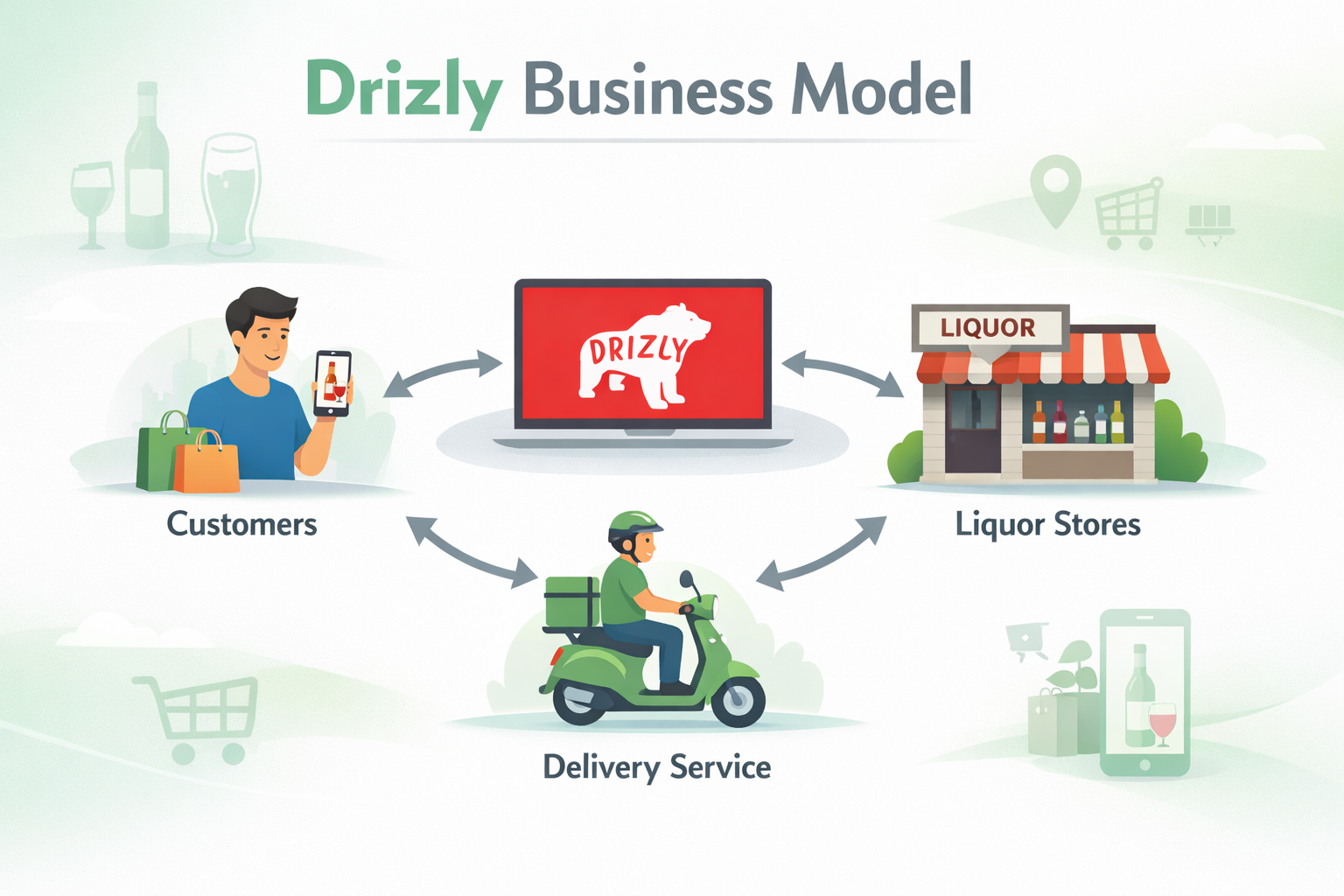
Drizly Business Model And How This Alcohol Delivery Platform Makes Money
Drizly’s business model is built on a simple but powerful idea: connect local liquor stores with customers who want alcohol delivered to their door. The platform earns money through commissions charged to retailers, delivery fees paid by customers,…
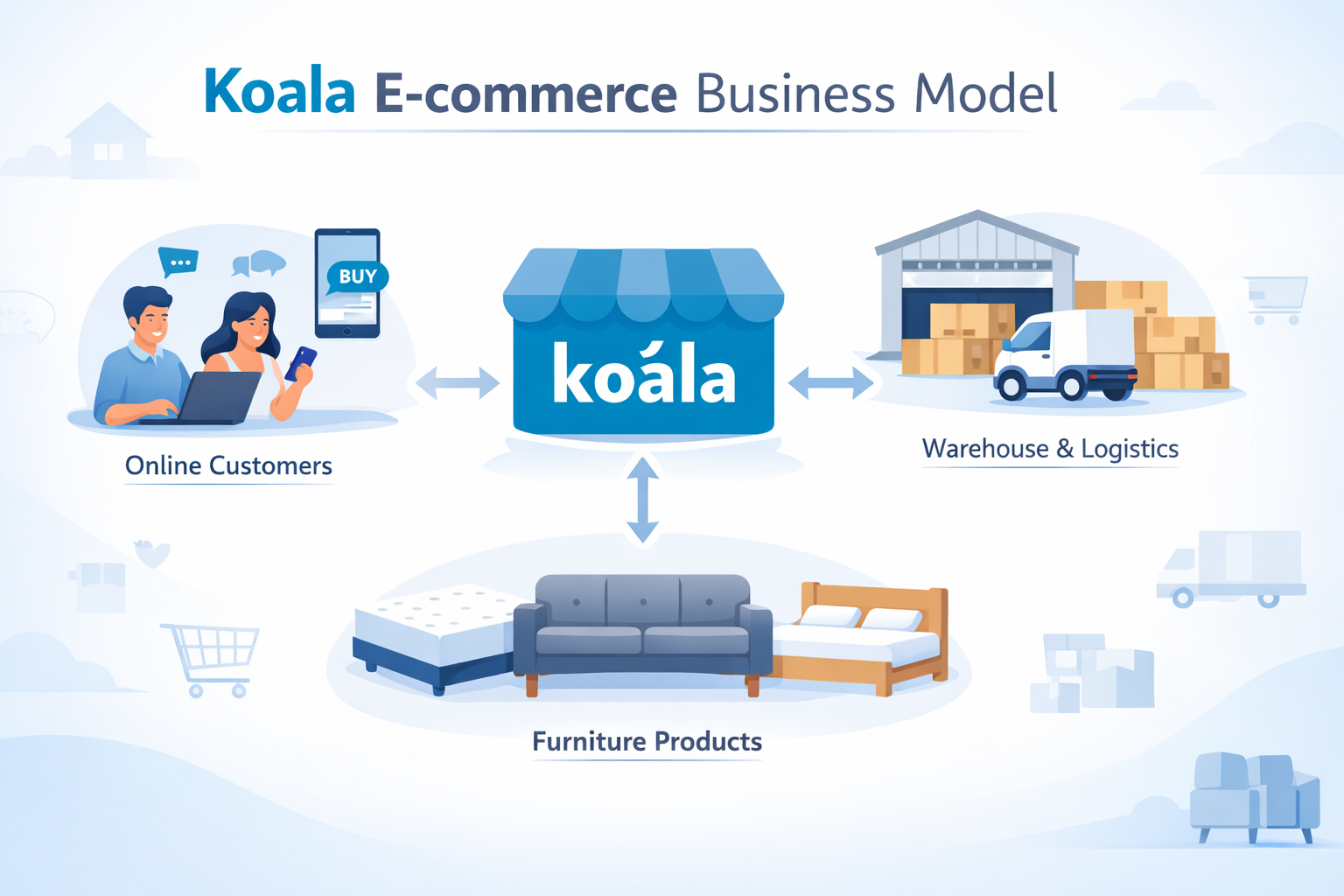
Koala E-Commerce Business Model and How Koala Built a Mattress Empire Online
Koala operates a direct-to-consumer (D2C) e-commerce business model. It sells furniture, primarily mattresses and sofas, directly through its own website without relying on retailers or distributors. Key pillars of the model: Company Overview Koala was…

Carvana Business Model: How Carvana Built a Billion-Dollar Online Car Retail Platform
Carvana operates a fully online used-car marketplace where customers can buy, sell, and finance vehicles without visiting a dealership. The company generates revenue through vehicle sales, auto financing via its partner Bridgecrest, trade-in arbitrage,…

Letgo Business Model: How Letgo Makes Money from a Second-Hand Marketplace
The Letgo business model is based on a C2C (consumer-to-consumer) marketplace where users buy and sell second-hand products locally. The platform primarily earns revenue through advertising, promoted listings, and partnerships, while keeping the basic…

Zara Business Model – How Zara Built the World’s Fastest Fashion Retail Empire
Zara operates on a fast fashion retail business model that has redefined how the world shops for clothes. The company designs, manufactures, and sells trendy clothing with extremely short production cycles, moving from concept to store shelf in a matter…

Moglix Business Model – How This B2B Unicorn Is Digitising Industrial Supply Chains
The Moglix business model is a B2B eCommerce and supply chain digitisation model. It connects manufacturers and industrial suppliers with businesses through a technology-driven procurement platform. Moglix makes money through product margins, bulk supply…
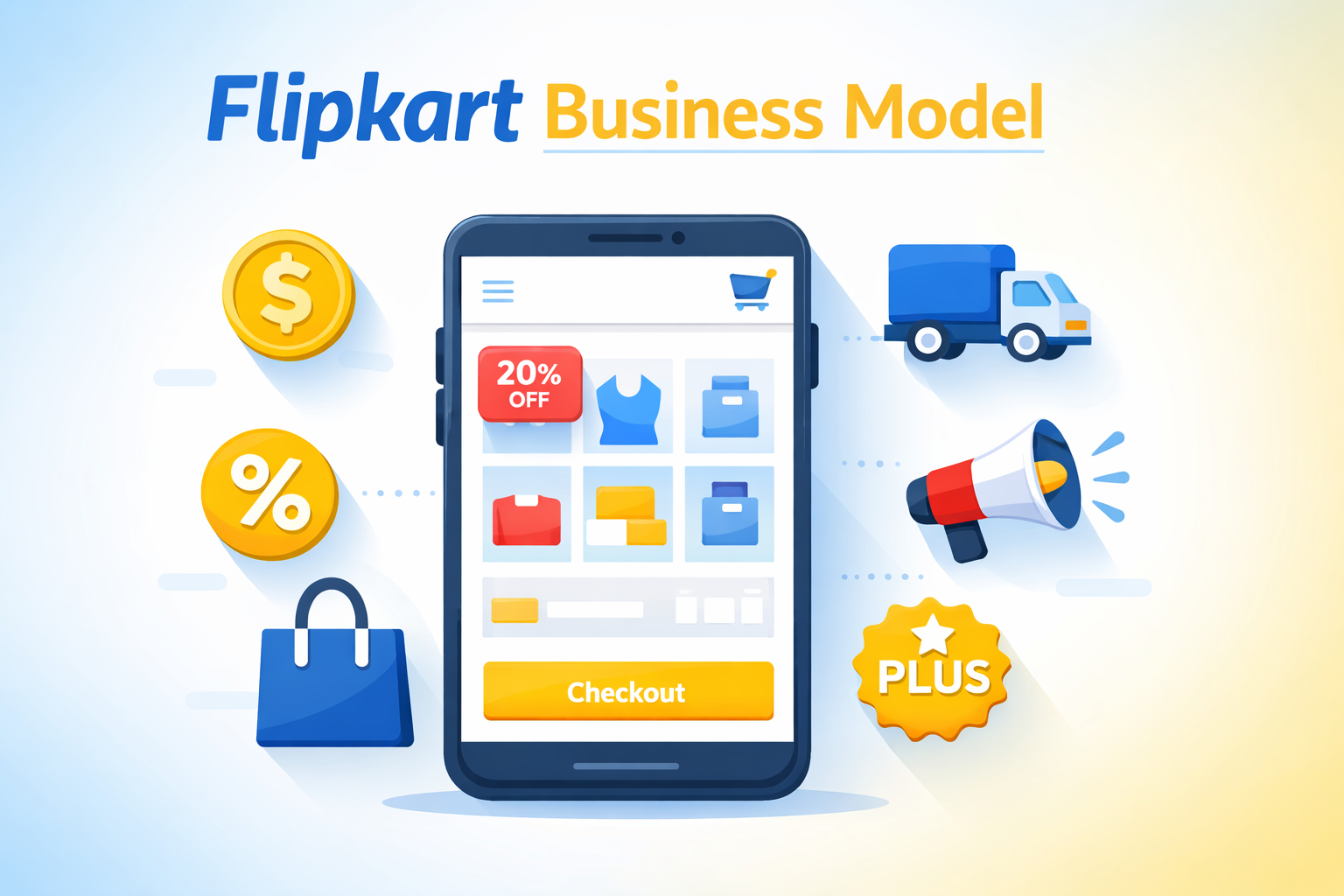
Flipkart Business Model: How India’s E-commerce Giant Actually Makes Money
Flipkart works on a marketplace-based business model. It connects third-party sellers with customers, earns commission on sales, charges sellers for ads and logistics services, and generates additional revenue through private labels, fintech (EMI and…