Chipotle Business Model: How a Burrito Chain Built a $11.9 Billion Empire

When Steve Ells opened the first Chipotle Mexican Grill in 1993, he had a simple goal: fund his dream of opening a fine dining restaurant. What started as a small burrito shop in Denver has transformed into a fast-casual powerhouse generating nearly $12…
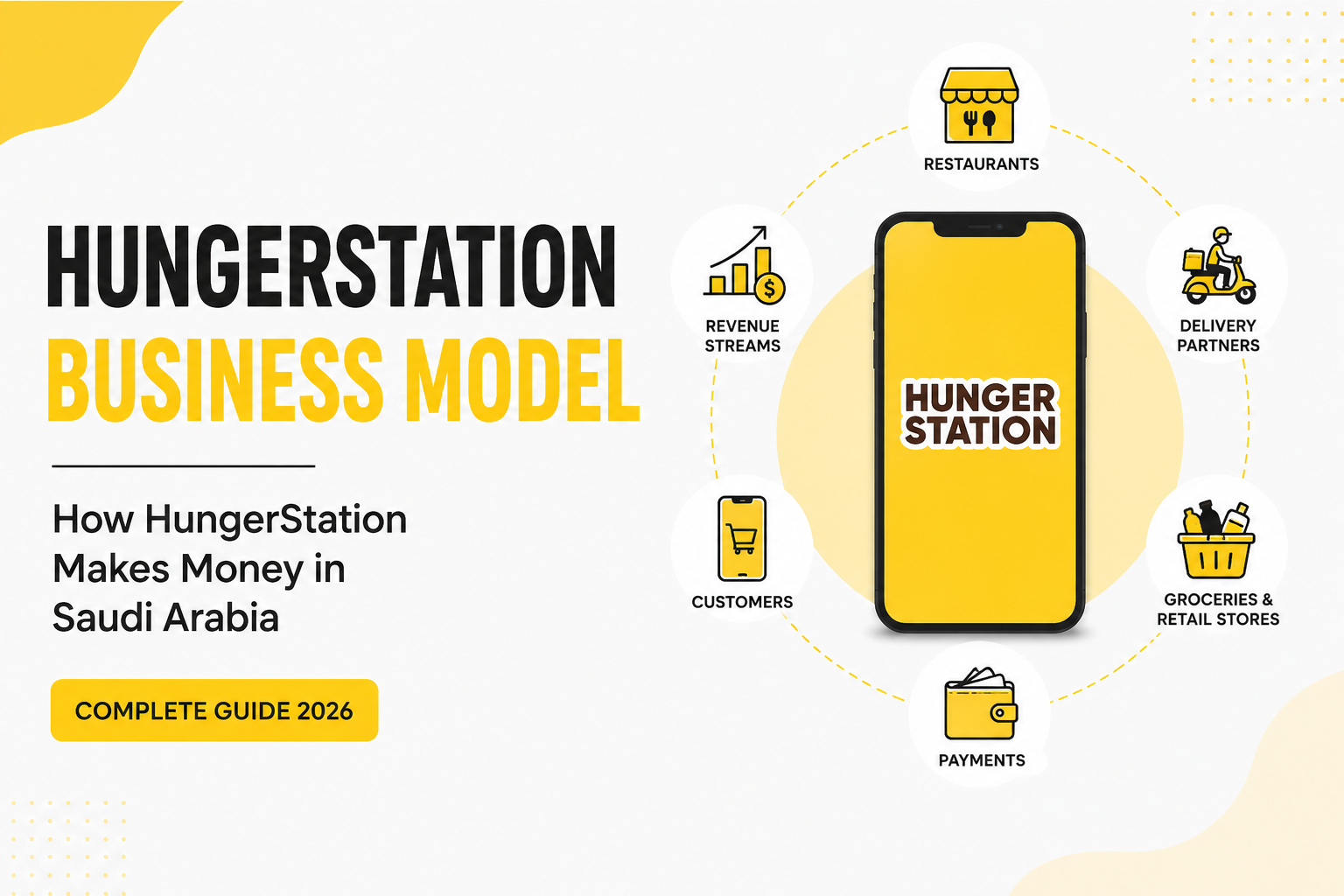
HungerStation Business Model: How HungerStation Makes Money in Saudi Arabia
HungerStation is a Saudi-based online food delivery platform that connects customers with restaurants, grocery stores, pharmacies, bakeries, flower shops, and other local retailers through its mobile app and website. It has become one of the…
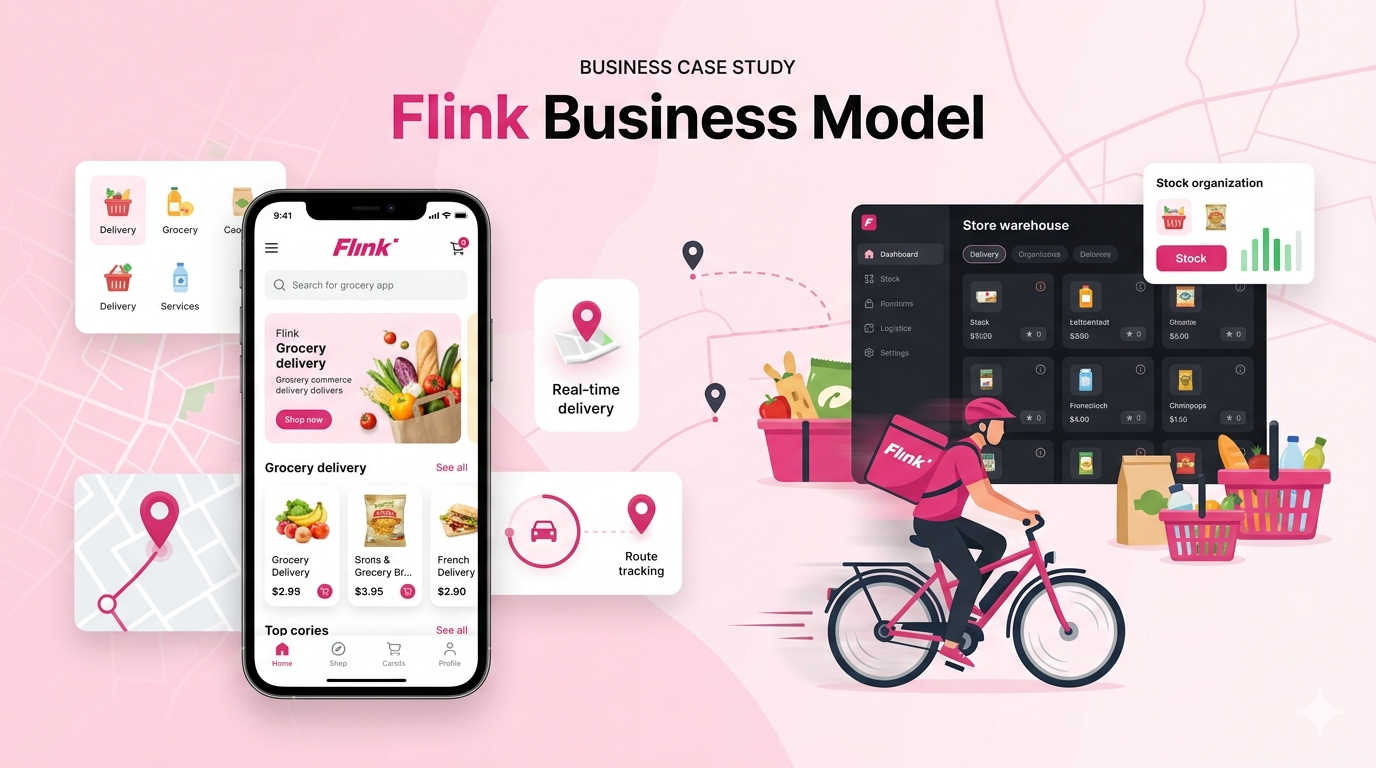
Flink Business Model And How It Makes Money With Quick Commerce
Flink is one of Europe’s fastest-growing quick-commerce companies. It delivers groceries and daily essentials to your door in minutes, not hours. Built around speed and convenience, Flink has reshaped how urban consumers think about grocery…
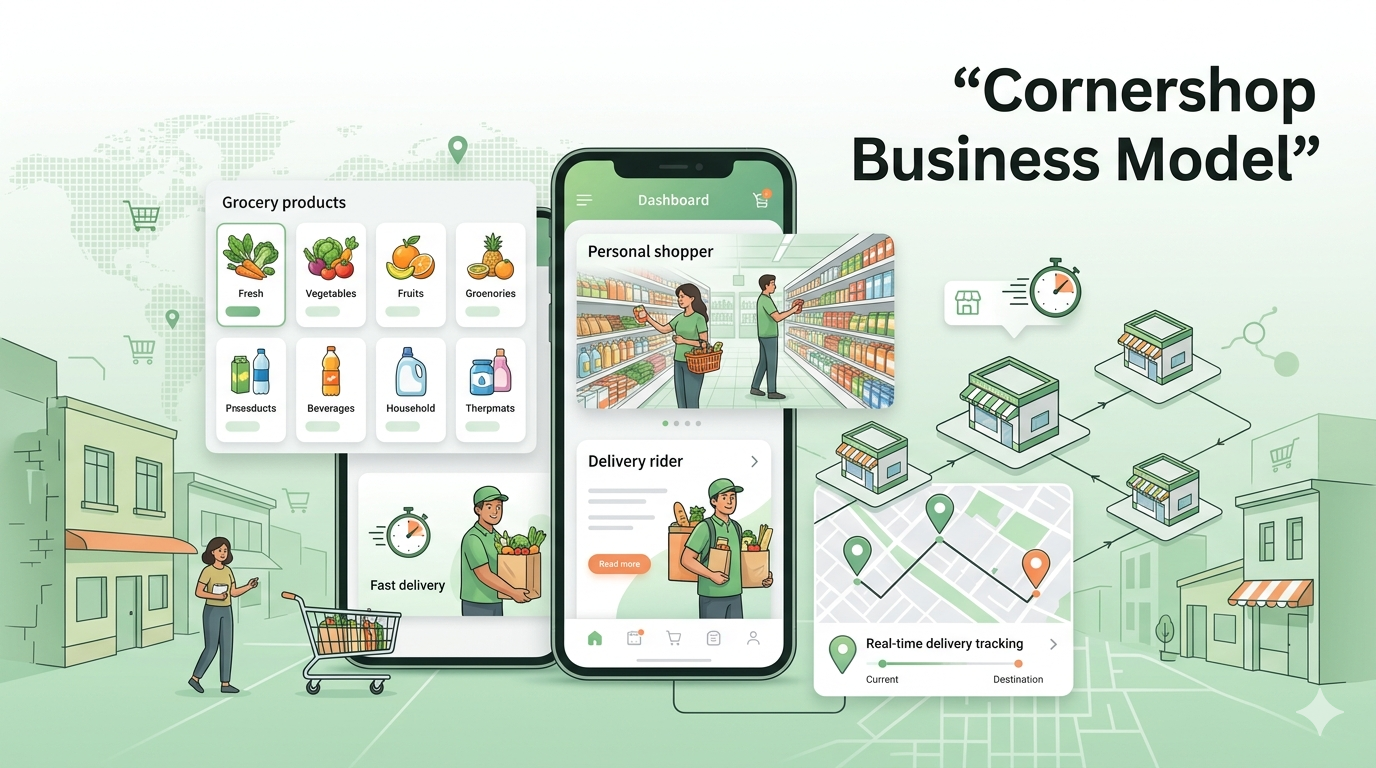
Cornershop Business Model And How the Grocery Delivery Platform Made Money Before Uber Acquisition
Cornershop was a Latin American grocery delivery platform that let customers order from local supermarkets through an app. A personal shopper would physically go to the store, pick the items, and deliver them to the customer’s door. What made it…
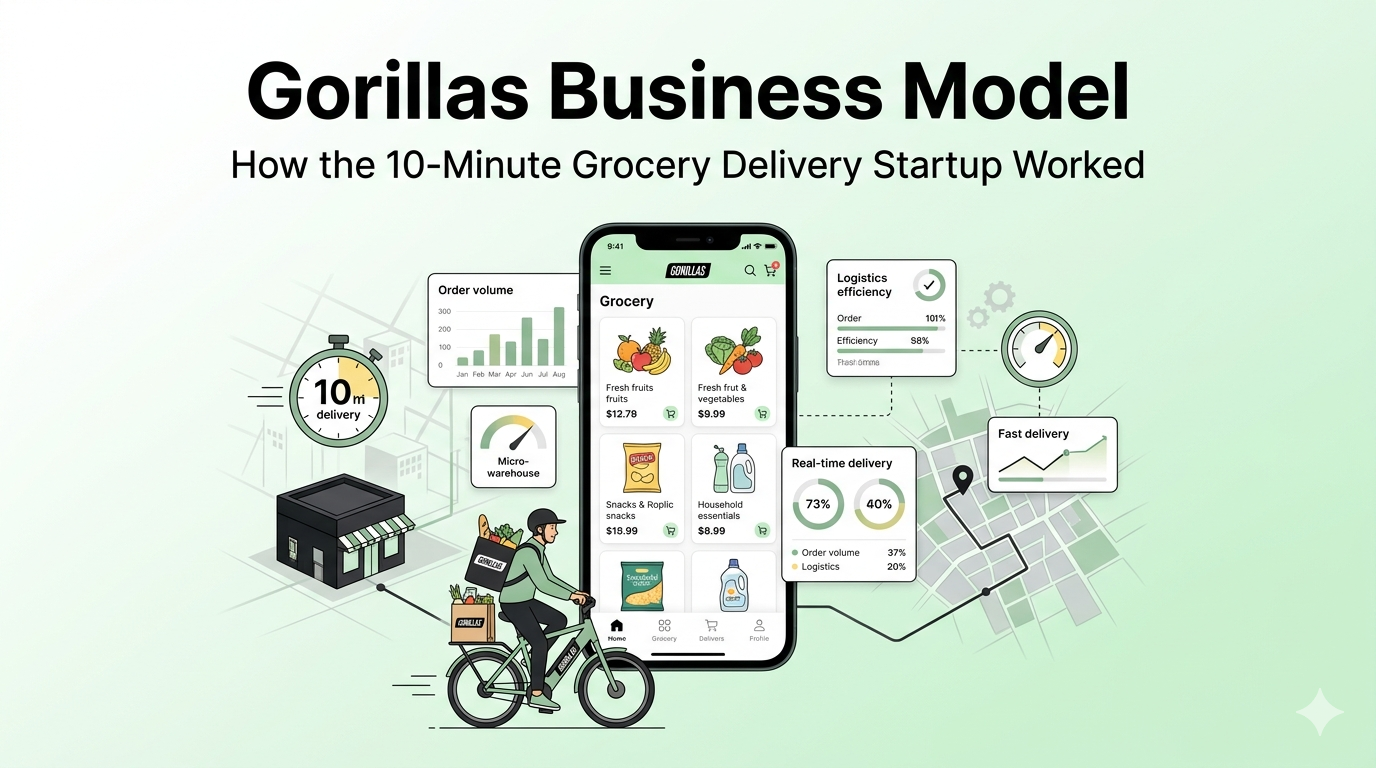
Gorillas Business Model And How the 10-Minute Grocery Delivery Startup Worked
Gorillas was a Berlin-based grocery delivery startup that promised to get essentials to your door in under 10 minutes. It launched in 2020 and quickly became one of the most talked-about players in quick commerce. The company attracted massive investor…
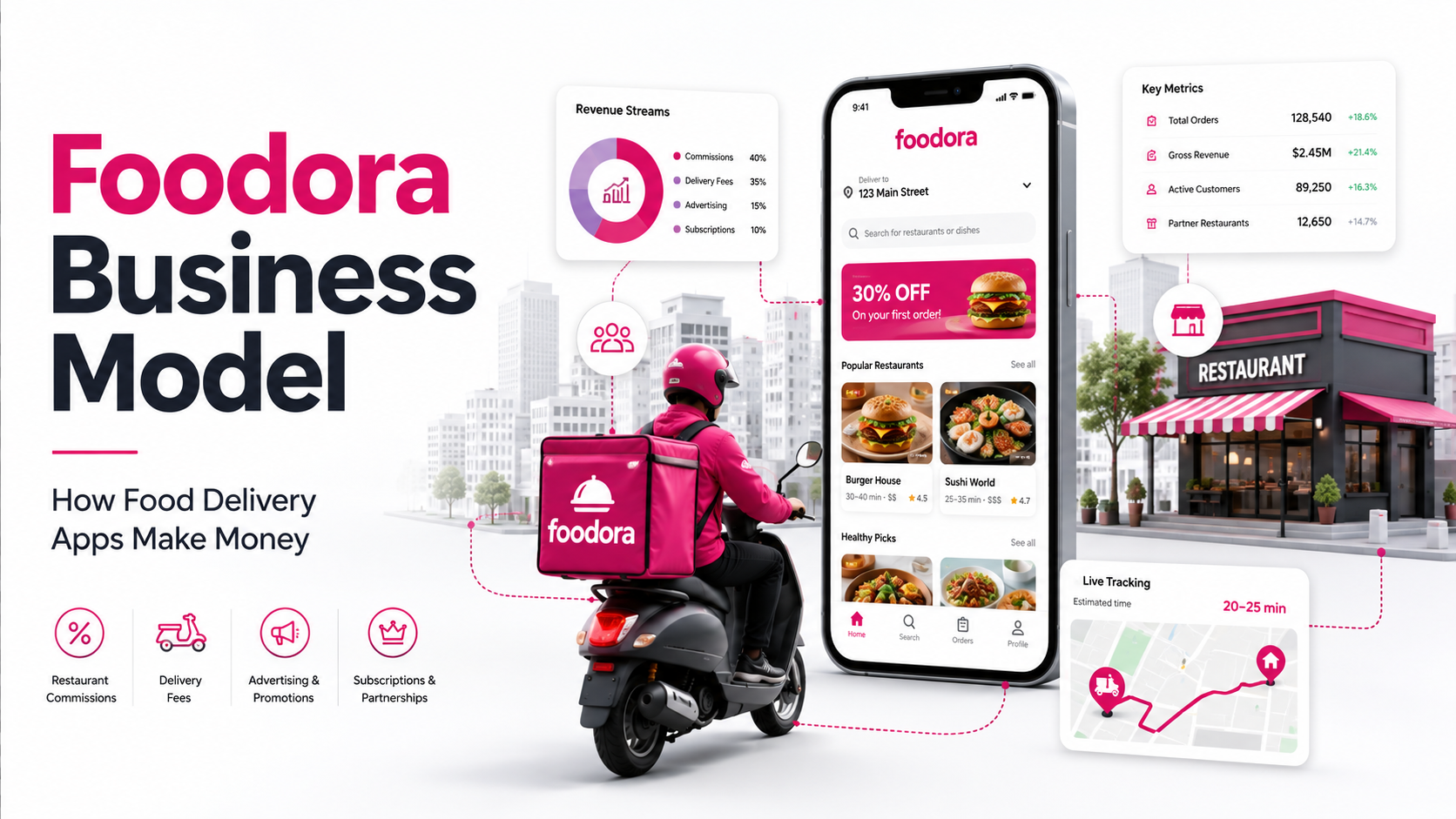
Inside the Foodora Business Model And How the Food Delivery Giant Worked
Foodora operated as an online food delivery marketplace connecting customers, restaurants, and delivery riders through a mobile app. The company mainly earned money through restaurant commissions, delivery fees, advertising, surge pricing, and…
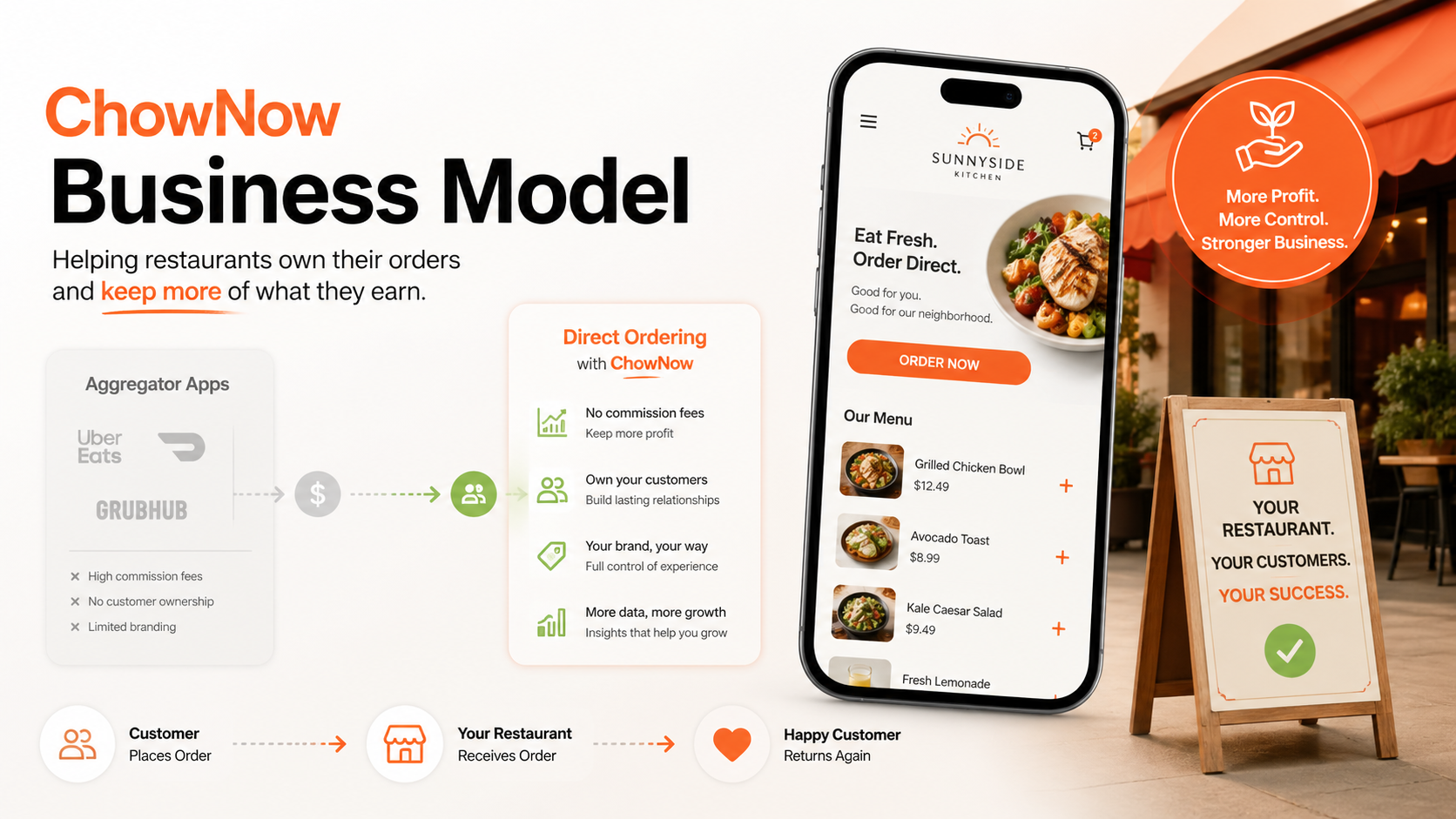
ChowNow Business Model And How This Commission-Free Platform Is Changing Restaurant Tech
ChowNow is a SaaS-based, commission-free online ordering platform built specifically for restaurants. It charges restaurants a flat monthly or annual subscription fee instead of taking a cut from every order. Restaurants get their own branded ordering…
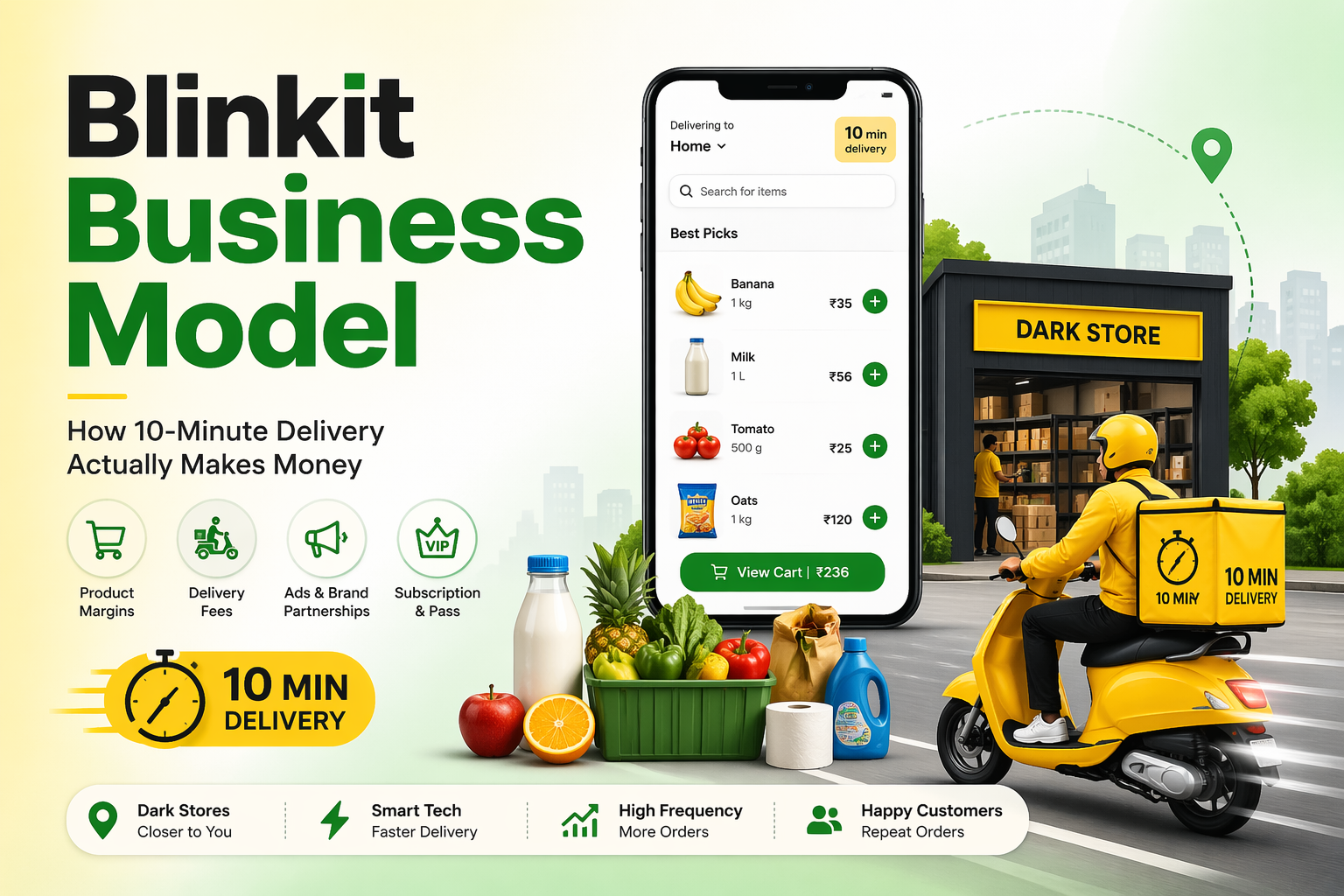
Blinkit Business Model And How 10-Minute Delivery Actually Makes Money
Blinkit’s business model runs on quick commerce. It delivers groceries and essentials within minutes using a network of dark stores, making money through product margins, delivery fees, platform commissions, and brand partnerships, while using…
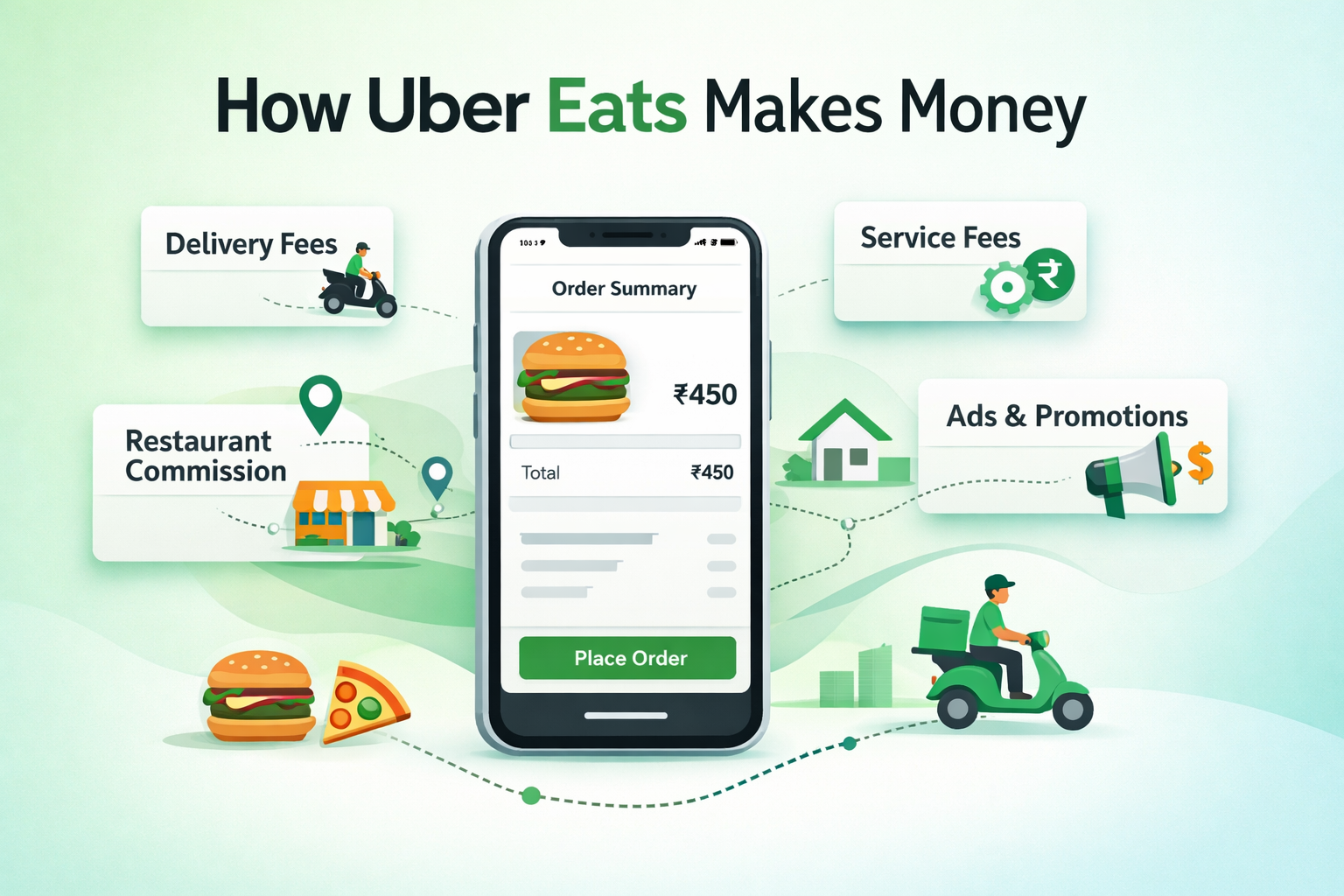
How Does Uber Eats Make Money? Full Business Model Breakdown for Founders
The short answer: Uber Eats makes money through delivery fees, service fees, restaurant commissions, advertising, and subscriptions like Uber One. But the full picture is way more interesting than that. If you’ve ever looked at your Uber Eats…
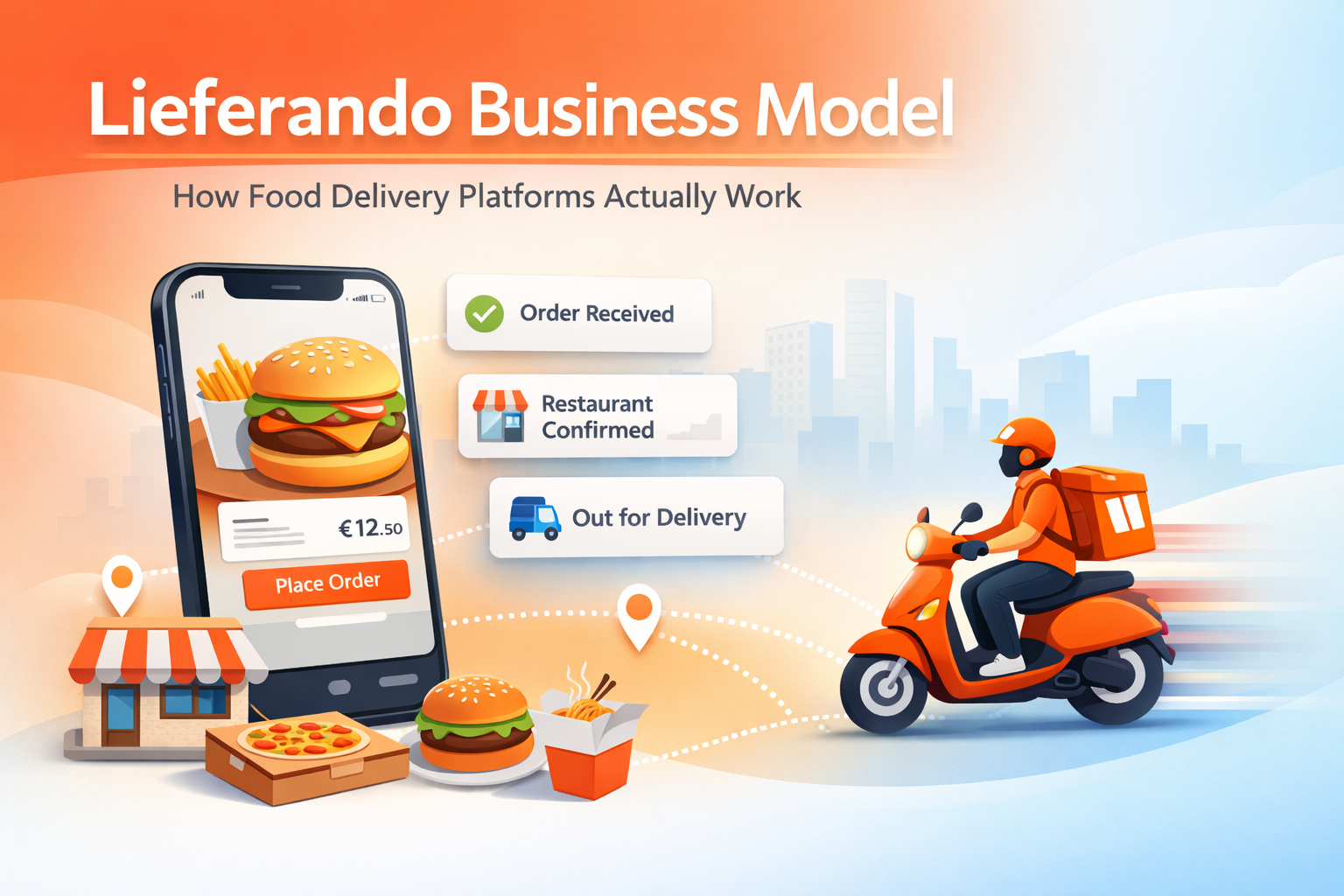
Lieferando Business Model And How Europe’s Food Delivery Giant Actually Makes Money
Ever wondered how food reaches your door in 30 minutes and the platform still makes money? That question sits at the heart of one of Europe’s most successful tech-enabled businesses. Lieferando is not a restaurant. It does not cook anything. It…
Caviar Business Model And How It Built a Premium Food Delivery Platform
Caviar is a food delivery platform that took a different approach from the start. Instead of signing up every restaurant in a city, it handpicked high-quality dining options and delivered them to customers willing to pay a premium. Founded under Square…
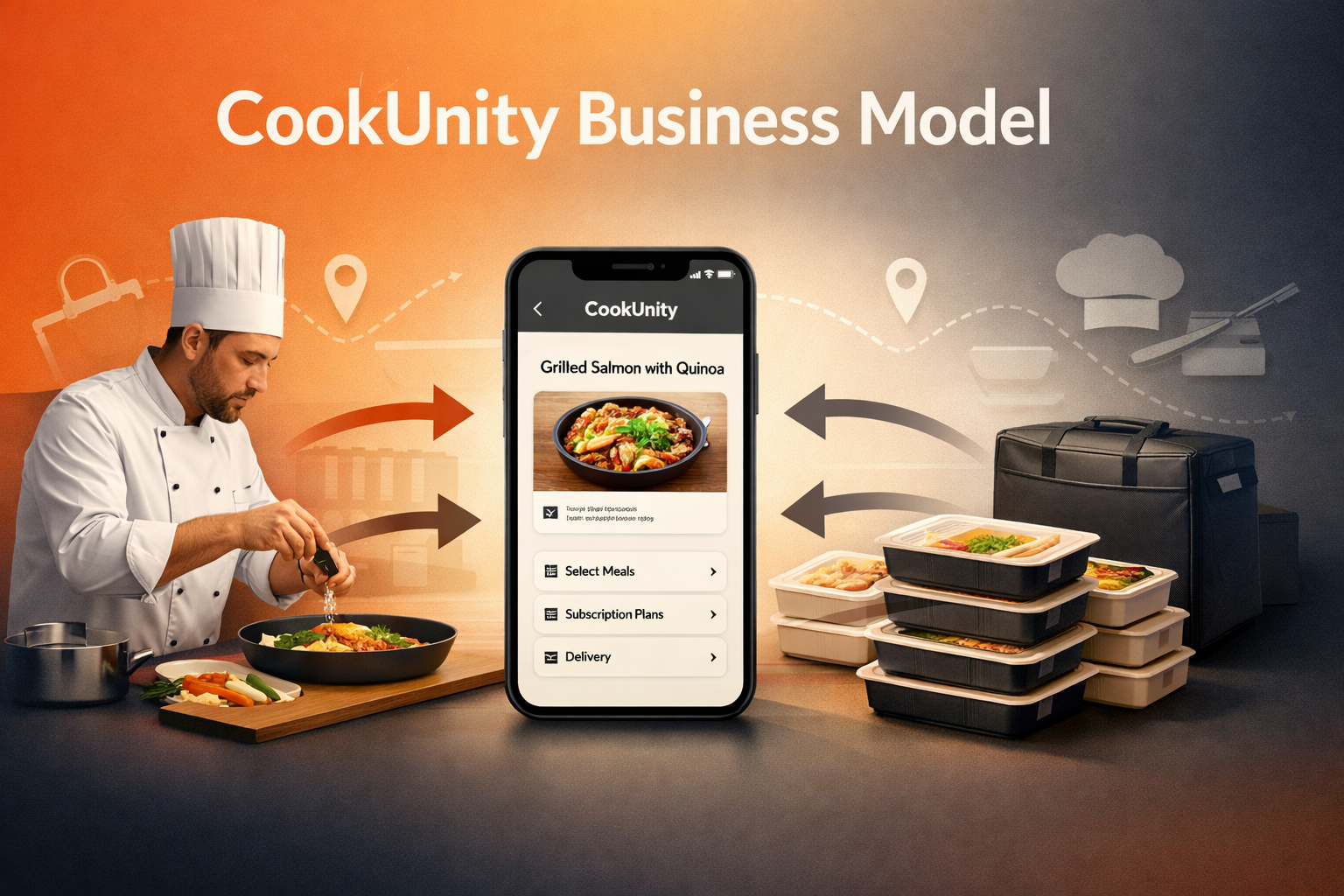
CookUnity Business Model And How This Chef Marketplace Is Reinventing Food Delivery
What is CookUnity? CookUnity is a chef-to-consumer food marketplace that connects independent chefs with customers through a subscription-based meal delivery platform. How it makes money: CookUnity earns revenue through weekly subscription fees paid by…
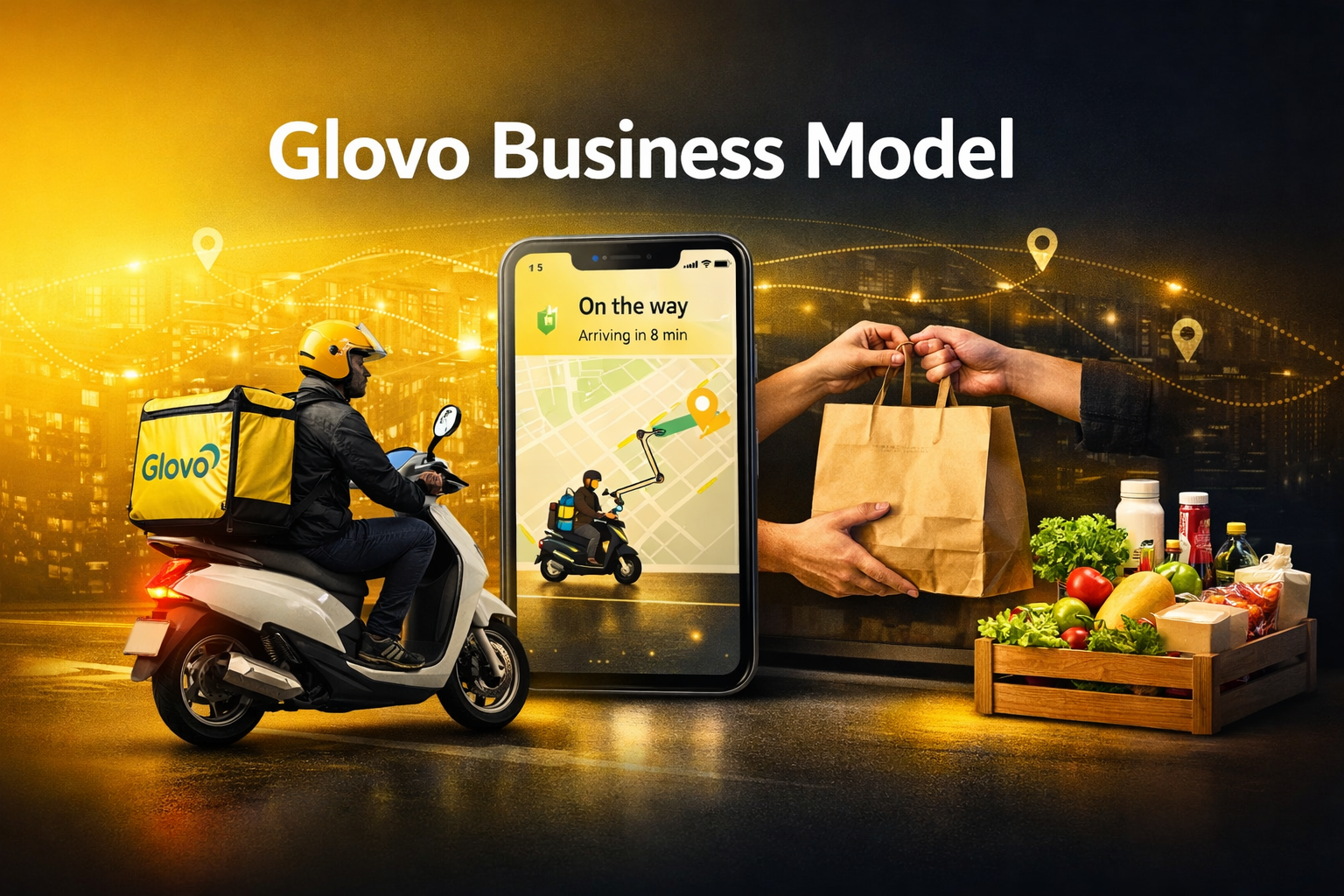
Glovo Business Model And How It Really Works (And How It Makes Money)
Short answer: Glovo runs a multi-sided marketplace that connects customers, local businesses, and couriers. It makes money through delivery fees, commissions, subscriptions, and ads. It’s not just food delivery it’s a full urban logistics…
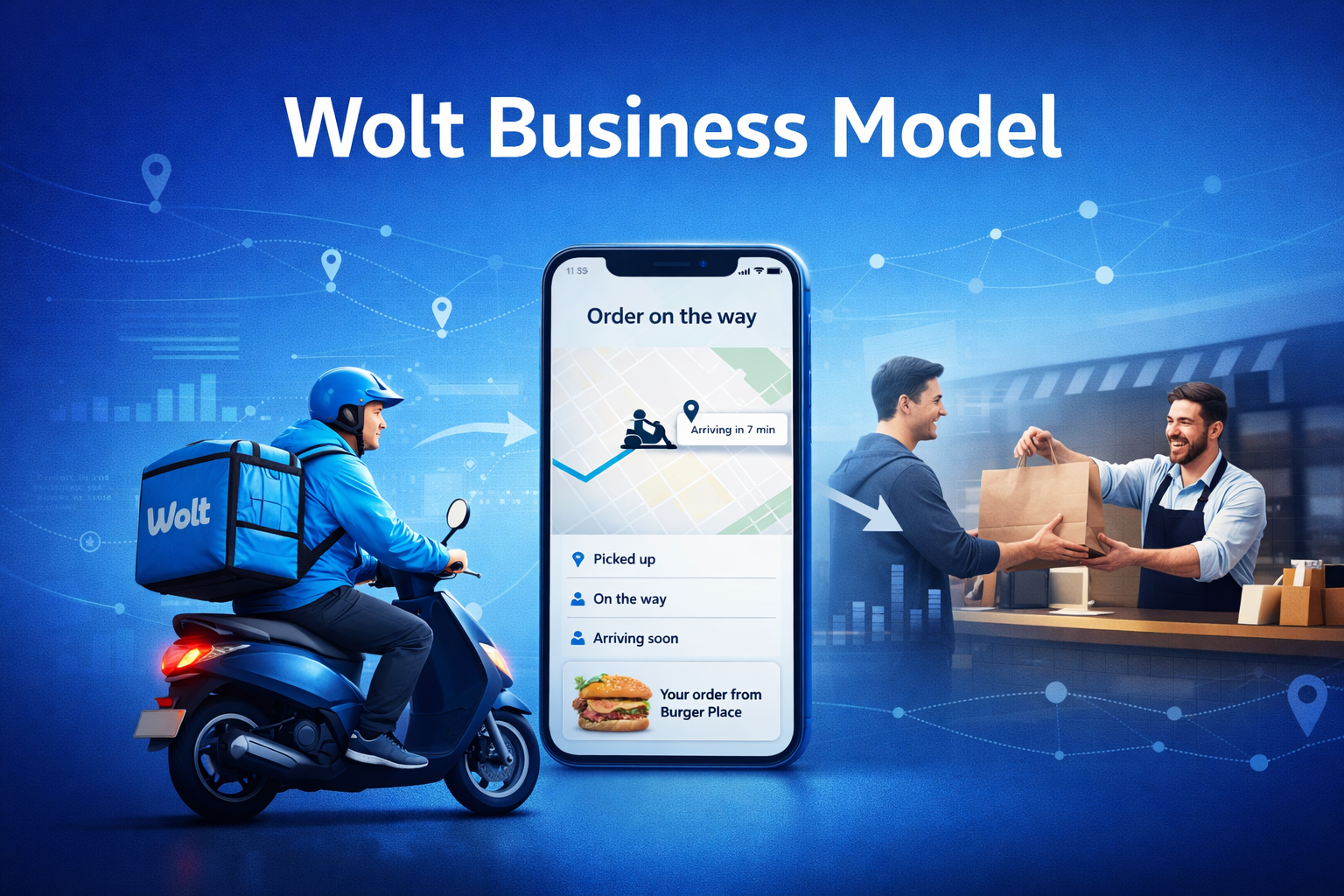
Wolt Business Model And How This Food Delivery Company Wins in Competitive Markets
Wolt is one of the most interesting food delivery companies out there. Not because it’s the biggest. But because it’s figured out how to actually win in markets where everyone else is struggling. Let me break down exactly how Wolt works, how…
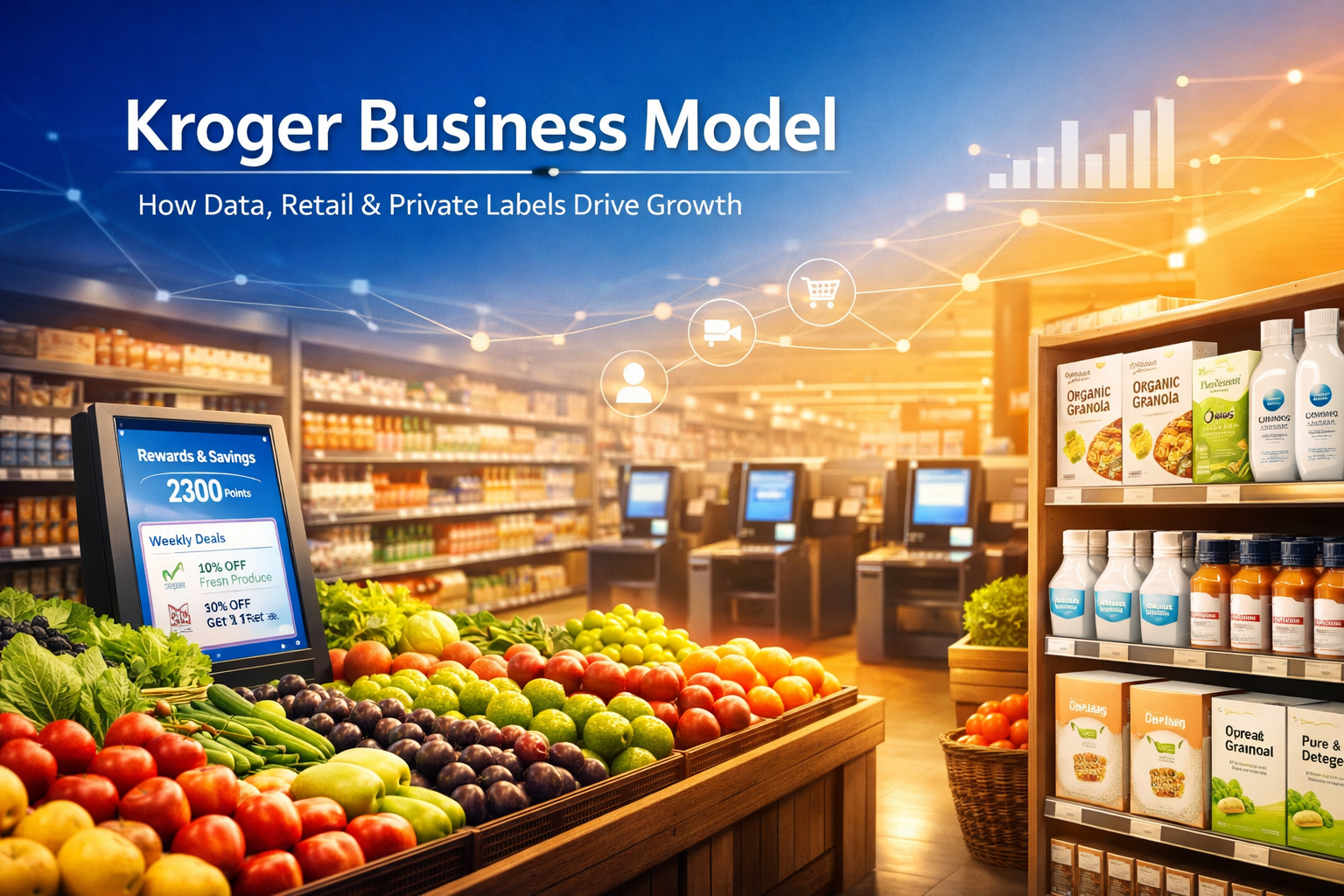
Kroger Business Model And How America’s Largest Supermarket Chain Really Makes Money
Kroger is not just a grocery store. It is a data company, a media platform, a pharmacy network, and a private label powerhouse all wrapped inside a supermarket. At its core, Kroger operates a retail grocery business model built on high-volume, low-margin…
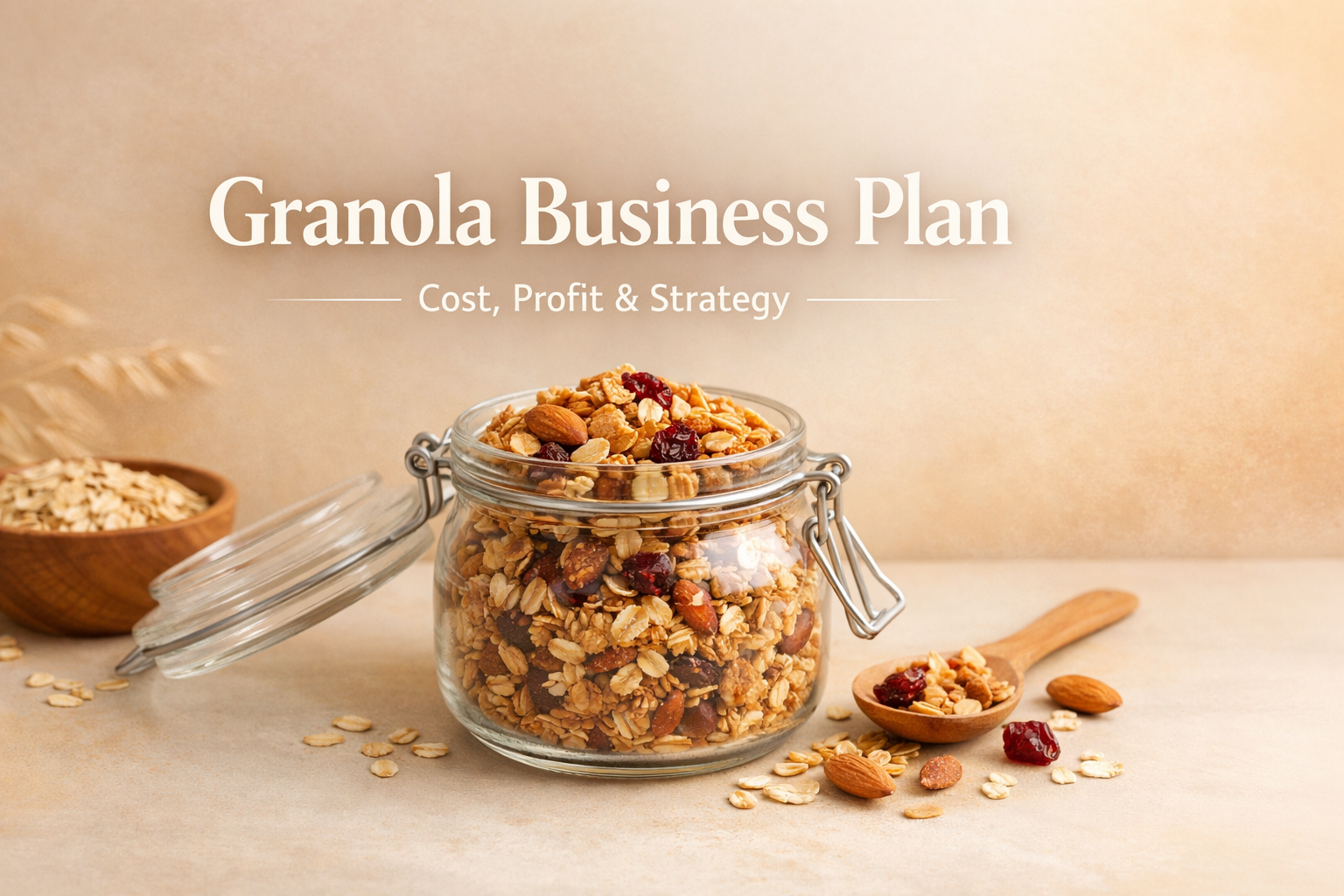
Granola Business Plan (2026) Cost, Profit, Strategy & How to Start
A granola business is one of the most beginner-friendly food startups you can launch today. You make and sell healthy granola products through online platforms, retail stores, or direct-to-consumer channels. The key to success lies in product quality,…
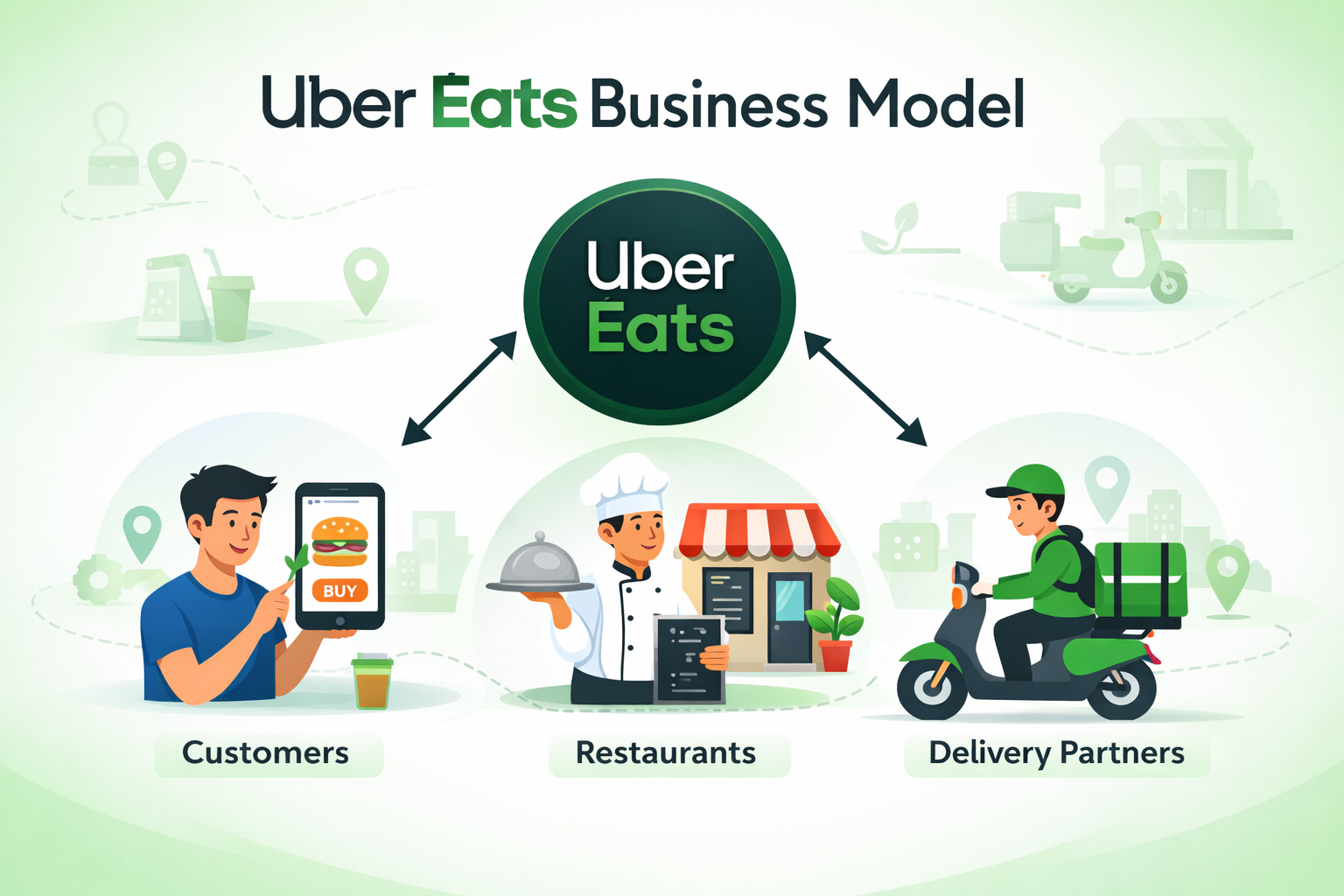
Uber Eats Business Model And How It Makes Money, Scales, and Dominates Food Delivery
Uber Eats is one of the most studied business models in the world of tech startups. And for good reason. It took a simple human need (hunger) and built an entire logistics empire around it. But understanding how Uber Eats actually works, where the money…
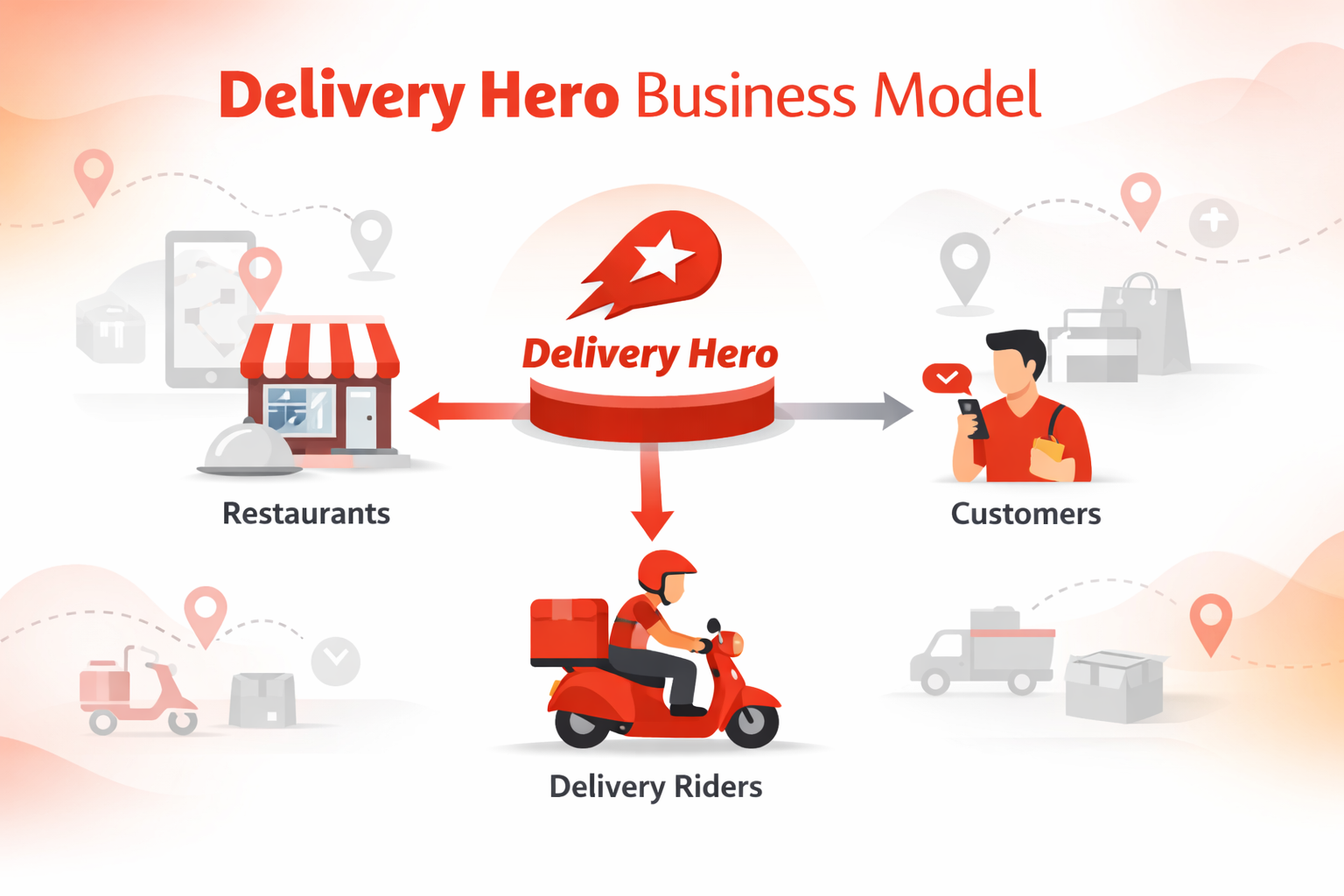
Delivery Hero Business Model
Delivery Hero operates a multi-sided marketplace business model that connects restaurants, customers, and delivery partners through its digital platforms. The company primarily earns revenue through: It runs food delivery marketplaces across Asia,…
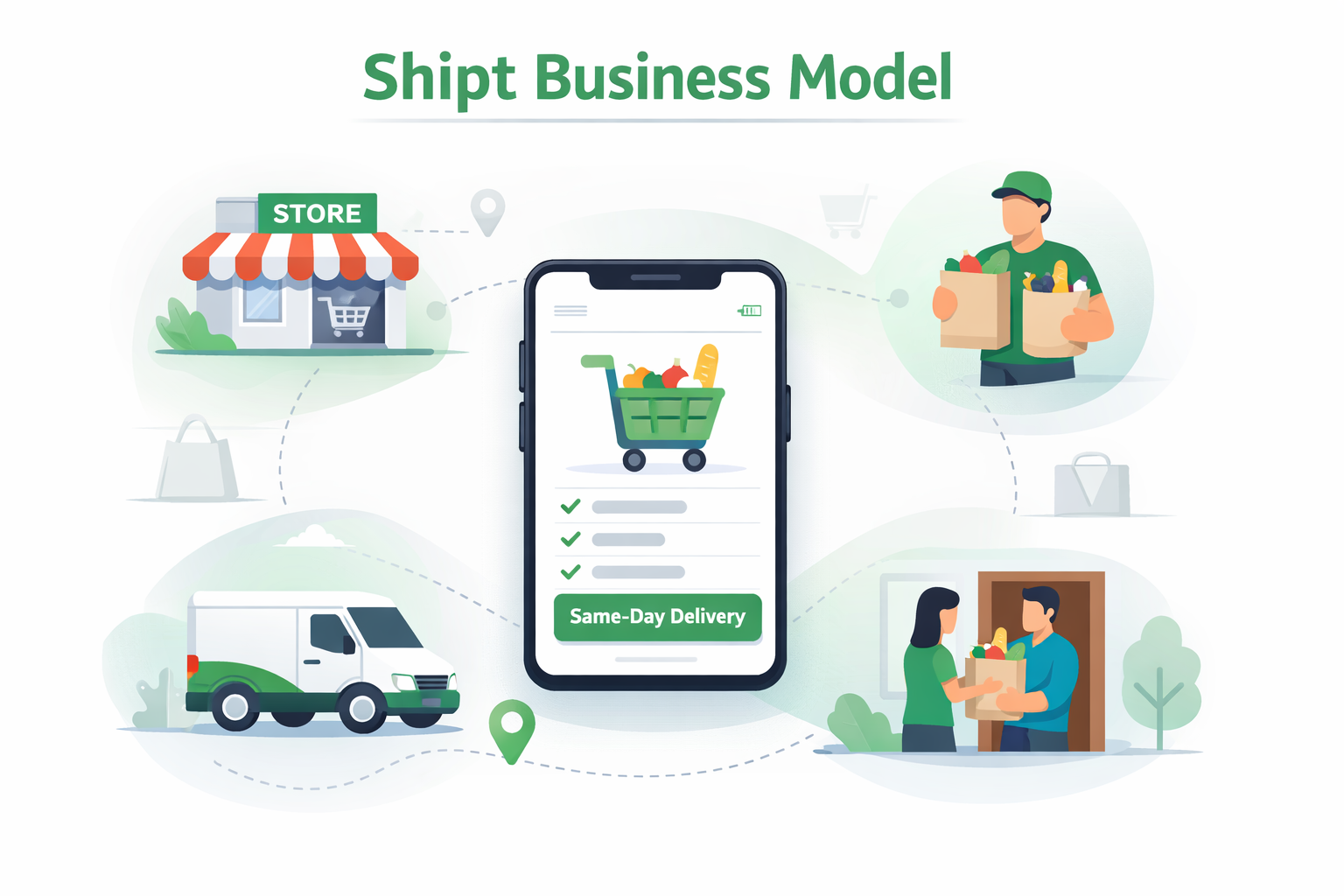
Shipt Business Model How Shipt Makes Money From Same-Day Delivery
Shipt operates a membership-based grocery and retail delivery platform that connects customers with personal shoppers for same-day delivery. Customers pay monthly or annual subscriptions to access unlimited deliveries from local stores. The company…

iFood Business Model: How the Brazilian Food Delivery Giant Makes Money
The food delivery industry has transformed how people eat, and nowhere is this more evident than in Latin America. At the center of this transformation stands iFood, a platform that has quietly become one of the most dominant digital marketplaces in the…