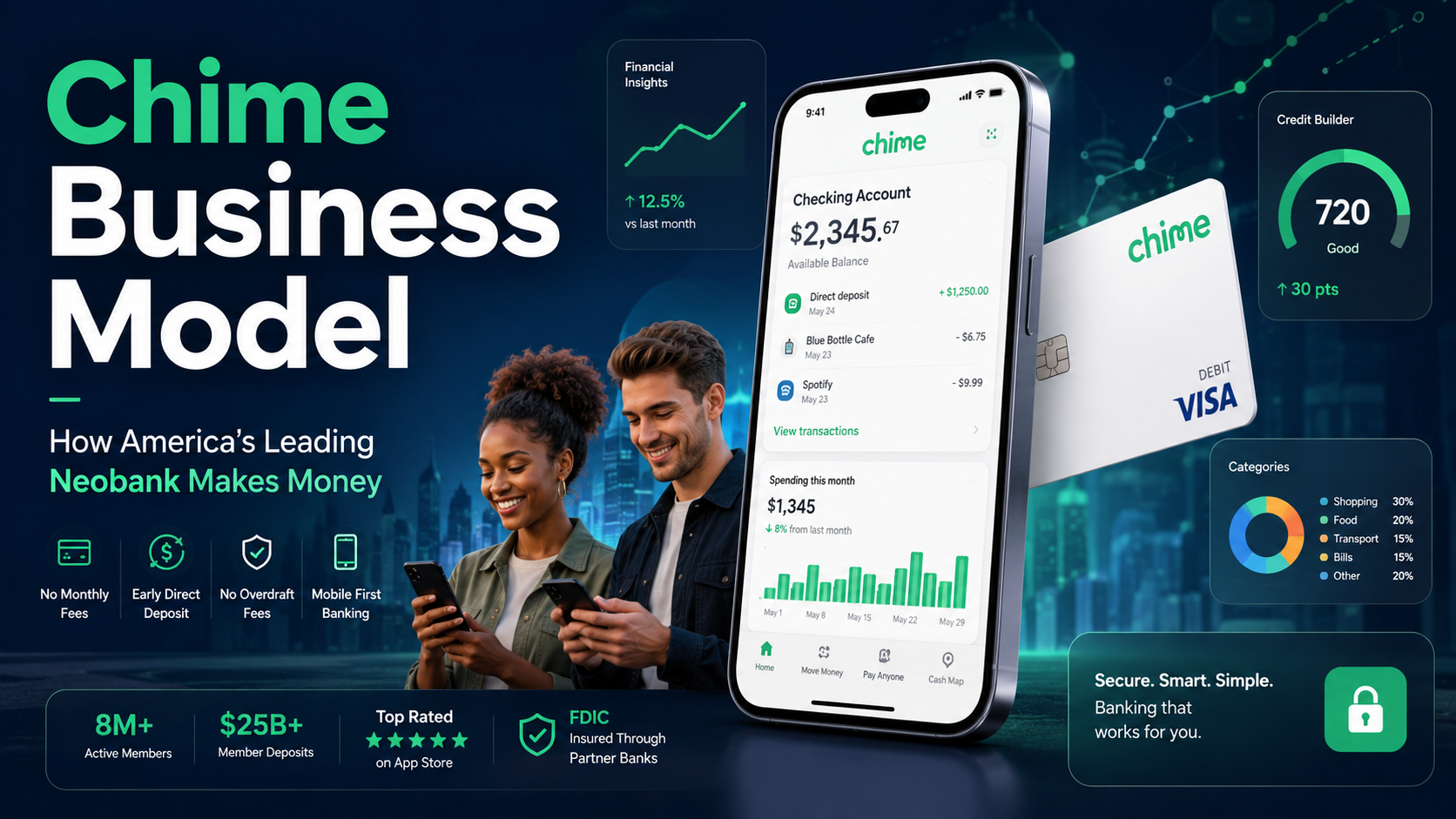
How Does Chime Make Money? Complete Chime Business Model Explained

Quick Answer: Chime makes money primarily through interchange fees—small fees merchants pay every time you swipe your Chime debit card. They also earn from out-of-network ATM fees, interest on deposits held at partner banks, and premium services like…
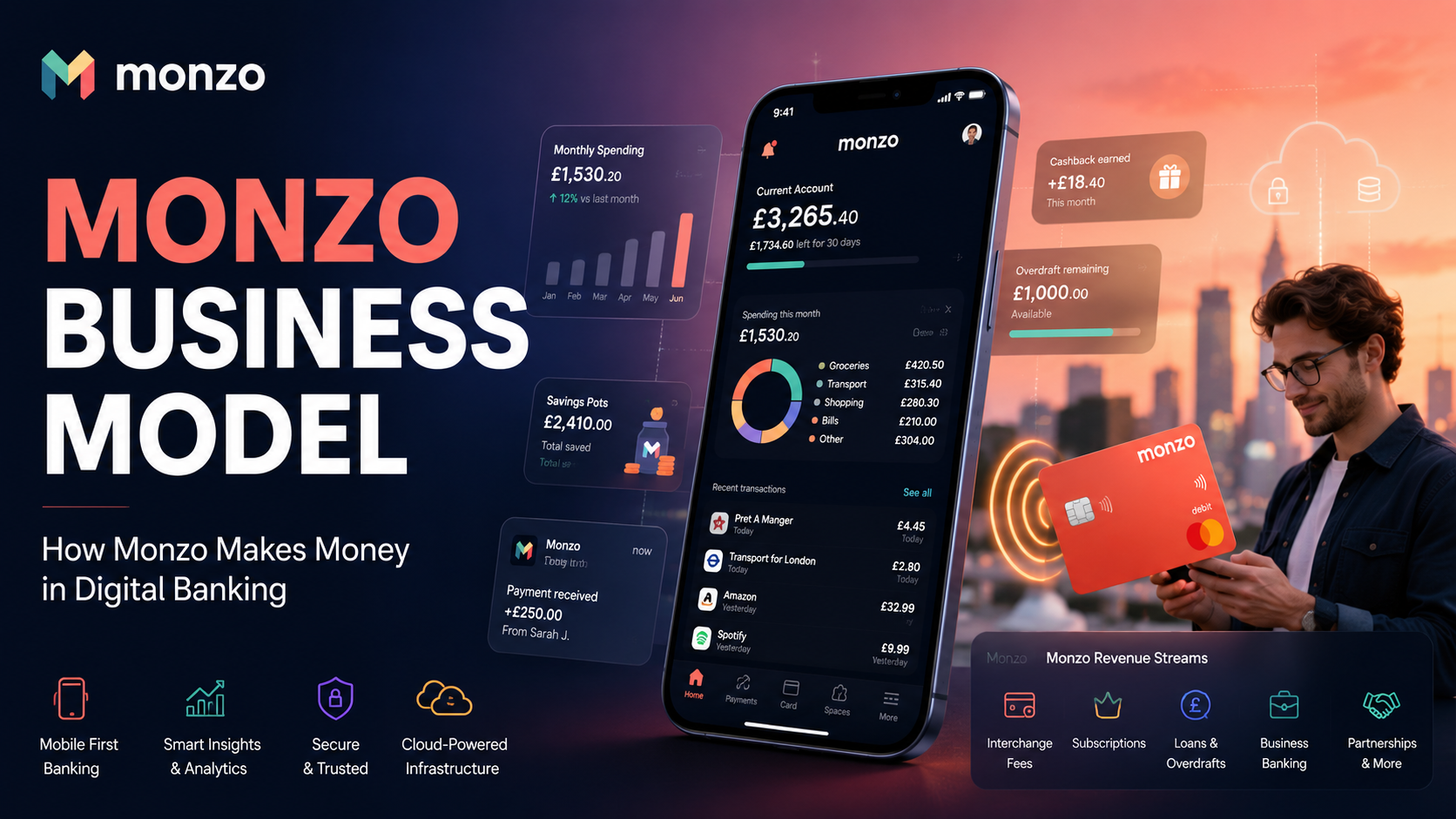
Monzo Business Model And How This Digital Bank Makes Money Without Traditional Branches
The banking industry is experiencing a digital revolution, and Monzo sits at the forefront of this transformation. This UK-based challenger bank has disrupted traditional banking by offering a completely mobile-first experience without a single physical…
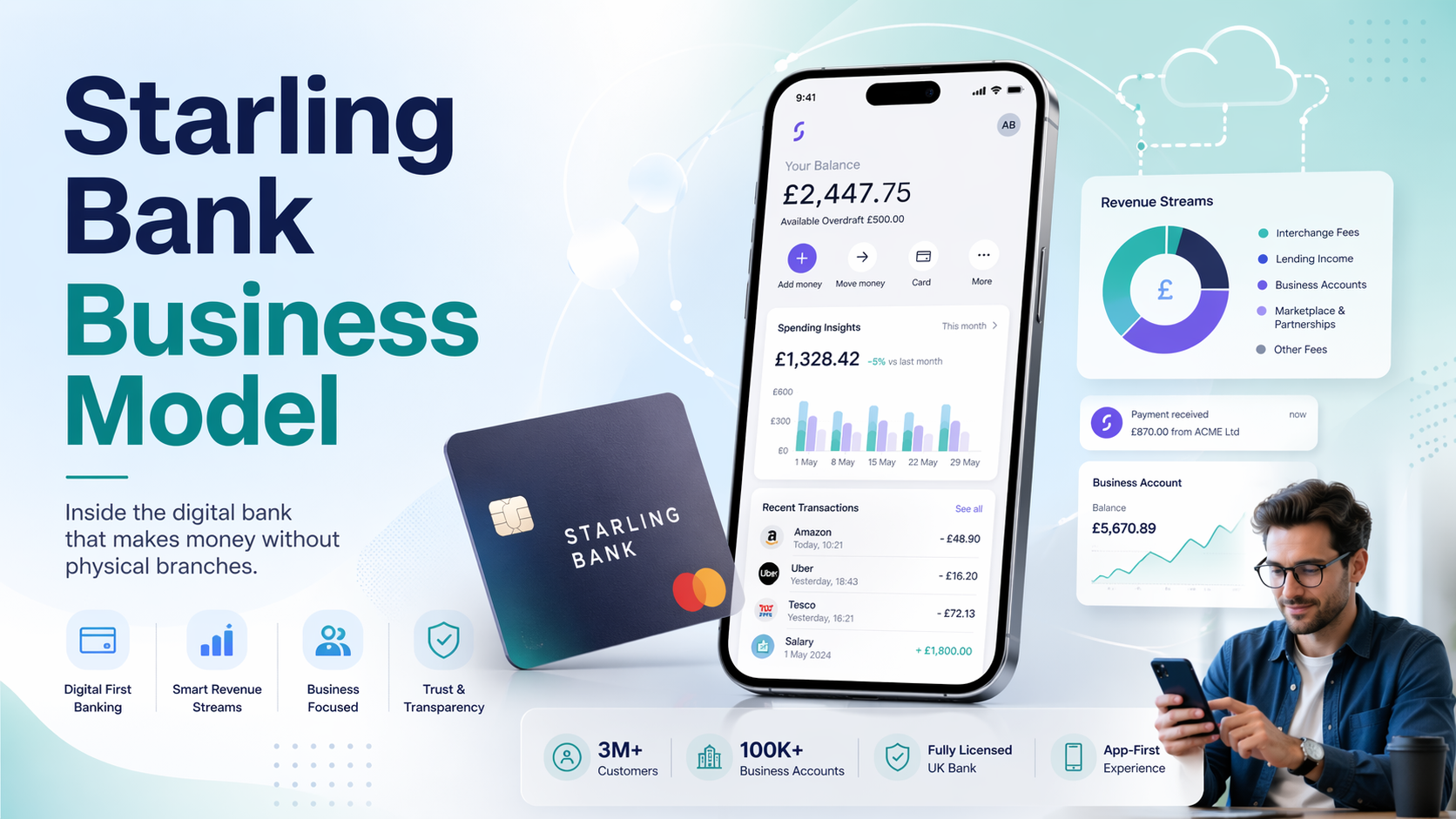
Starling Bank Business Model And How a UK Digital Bank Built Profitability Without a Single Branch
Starling Bank makes money through interchange fees, business account charges, lending interest, marketplace commissions, and overdraft fees. It keeps costs low by operating entirely online with no physical branches, running on proprietary technology…
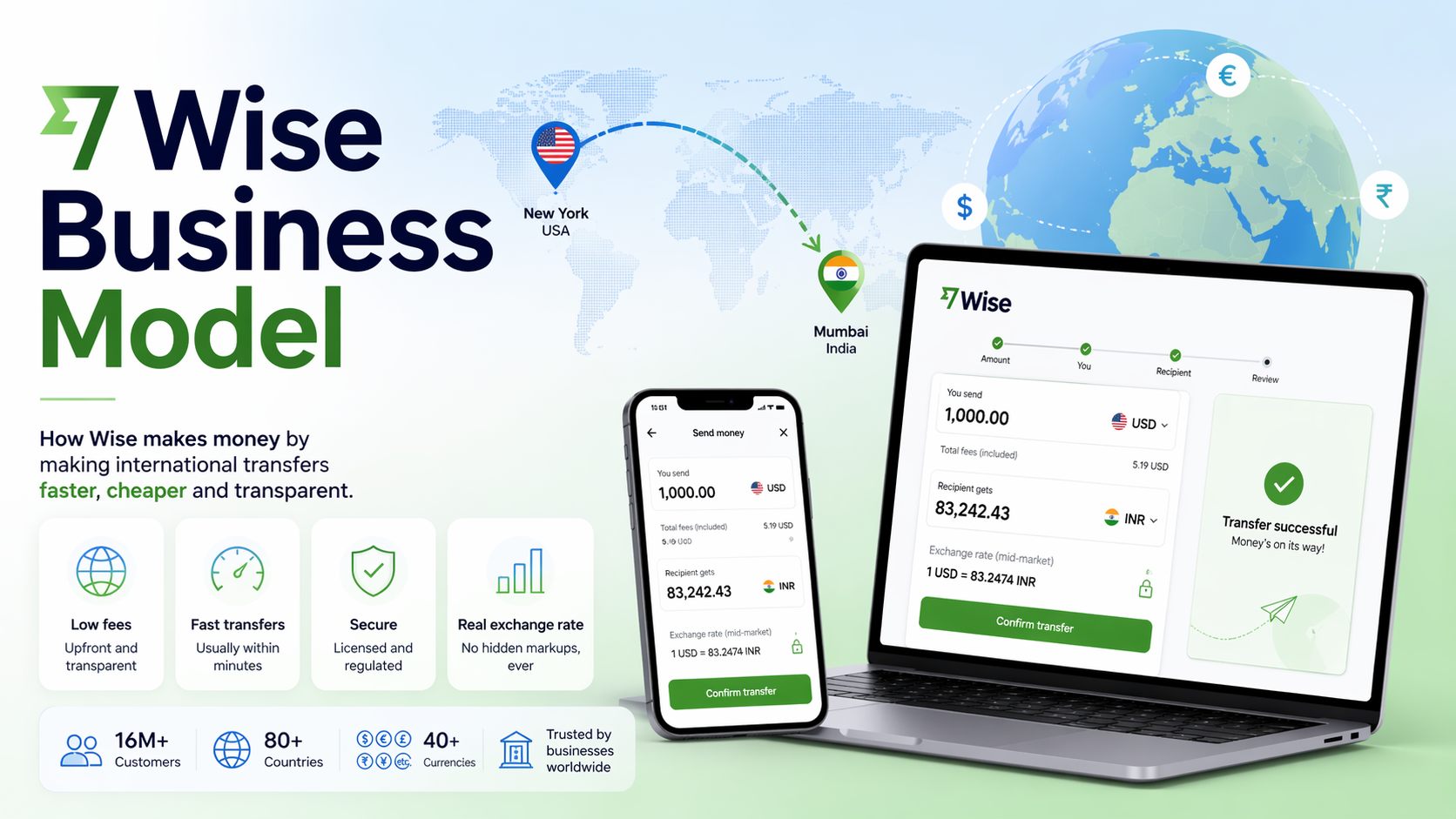
Wise Business Model And How a $11B Fintech Makes Money Moving Yours
Wise plc runs on a low-cost, transparent money transfer model. Instead of routing funds through expensive traditional banking systems, it uses a peer-to-peer currency matching system that sidesteps high forex fees entirely. Revenue comes from small,…
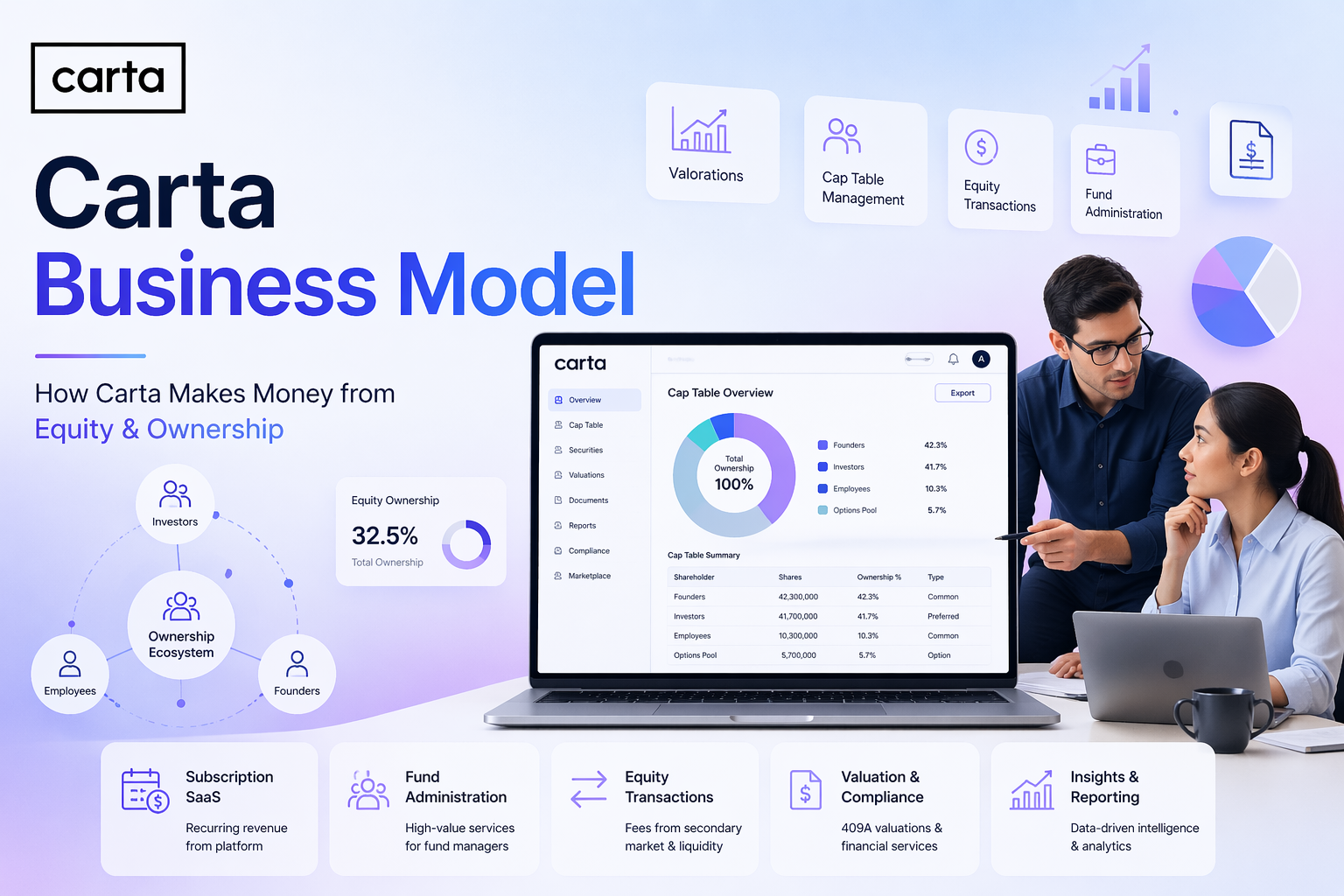
Carta Business Model And How It Makes Money from Equity, Startups and Ownership
Carta has quietly become one of the most important infrastructure companies in the startup world. It started as a simple cap table management tool. Today it sits at the center of how startups, investors, and employees manage equity, ownership, and…
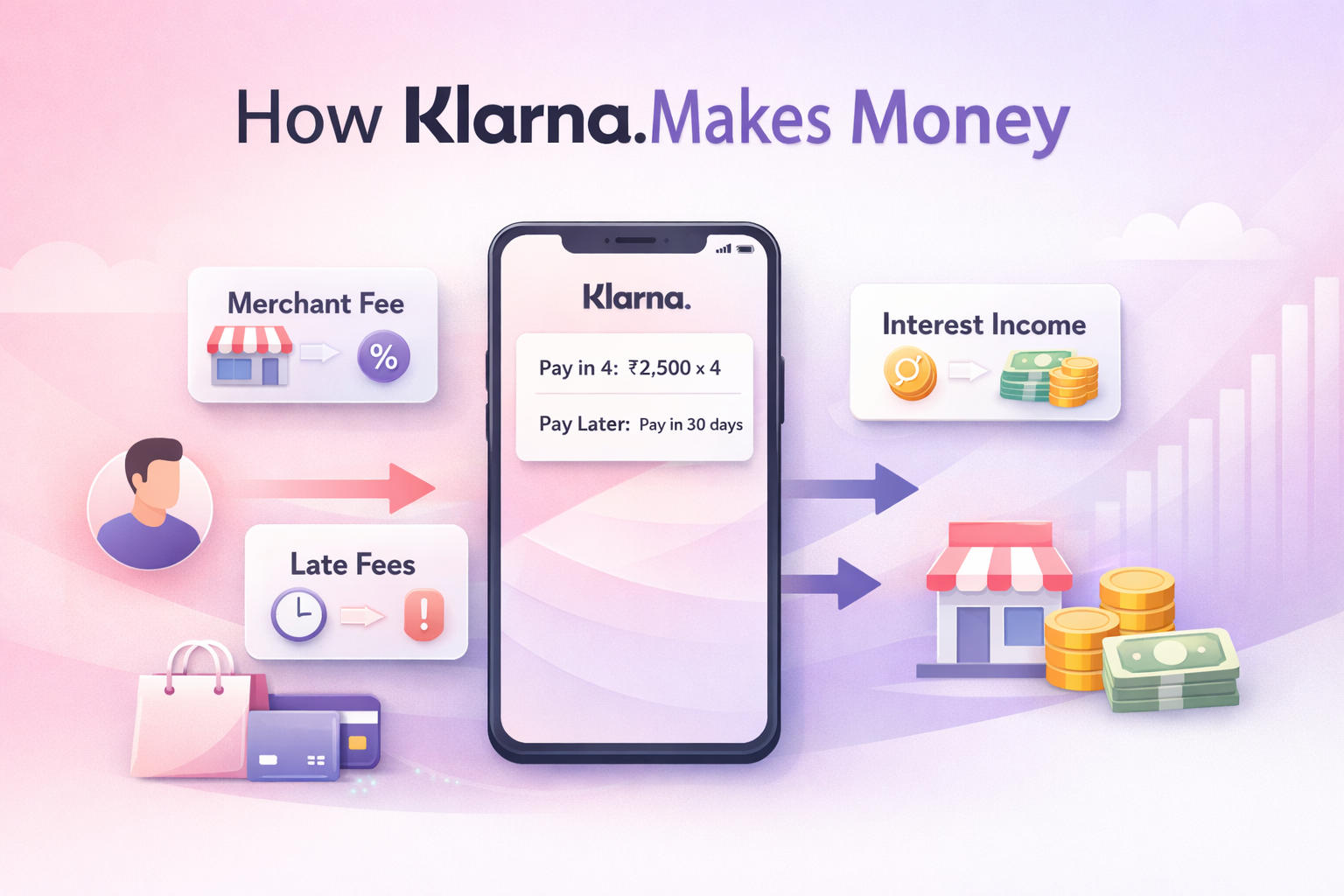
How Does Klarna Makes Money? Full Klarna Business Model Breakdown
Klarna lets you split a $200 purchase into four easy payments. No interest. No fees. Sounds too good to be true. So who’s actually paying? The answer reveals one of the smartest business models in fintech. Klarna doesn’t make money from you.…
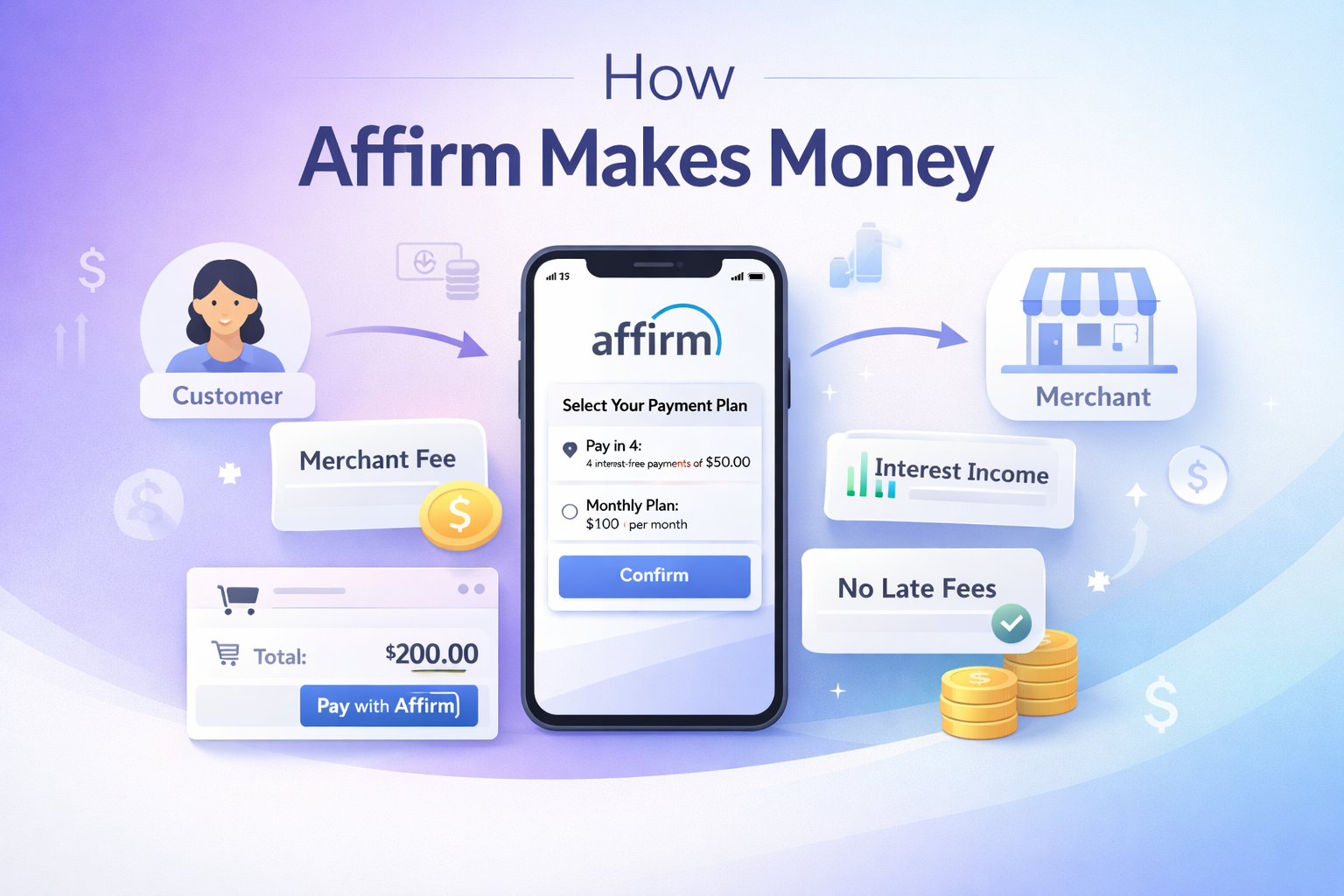
How Does Affirm Make Money? Affirm Business Model Breakdown
Affirm makes money through merchant fees, interest on consumer loans, interchange fees, and loan securitization. Unlike most financial products, Affirm does not charge late fees. Instead, it monetizes both sides of every transaction, the merchant and the…
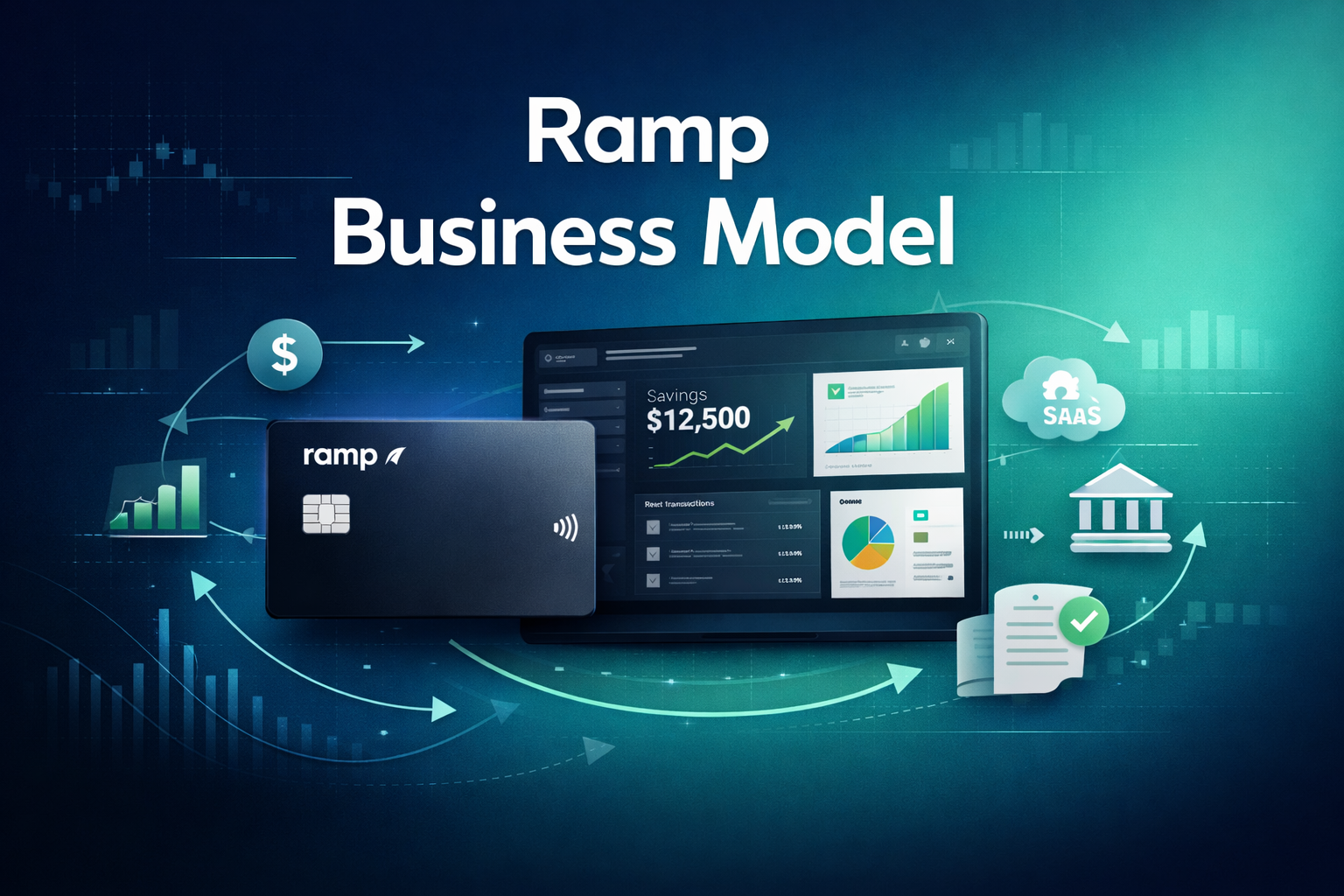
Ramp Business Model And How It Makes Money by Helping Companies Spend Less
Most fintech companies want you to spend more. Ramp wants you to spend less. That’s the entire premise, and somehow, it works as a business. Ramp is one of the fastest-growing financial platforms in the US right now. It offers corporate cards,…

Revolut Business Model And How Neobank Went from Zero to $45 Billion
What if your bank charged you nothing for currency exchange, let you buy stocks and crypto from the same app, and took just ten minutes to sign up? That is the core promise Revolut made when it launched in 2015. A decade later, it has 52.5 million…
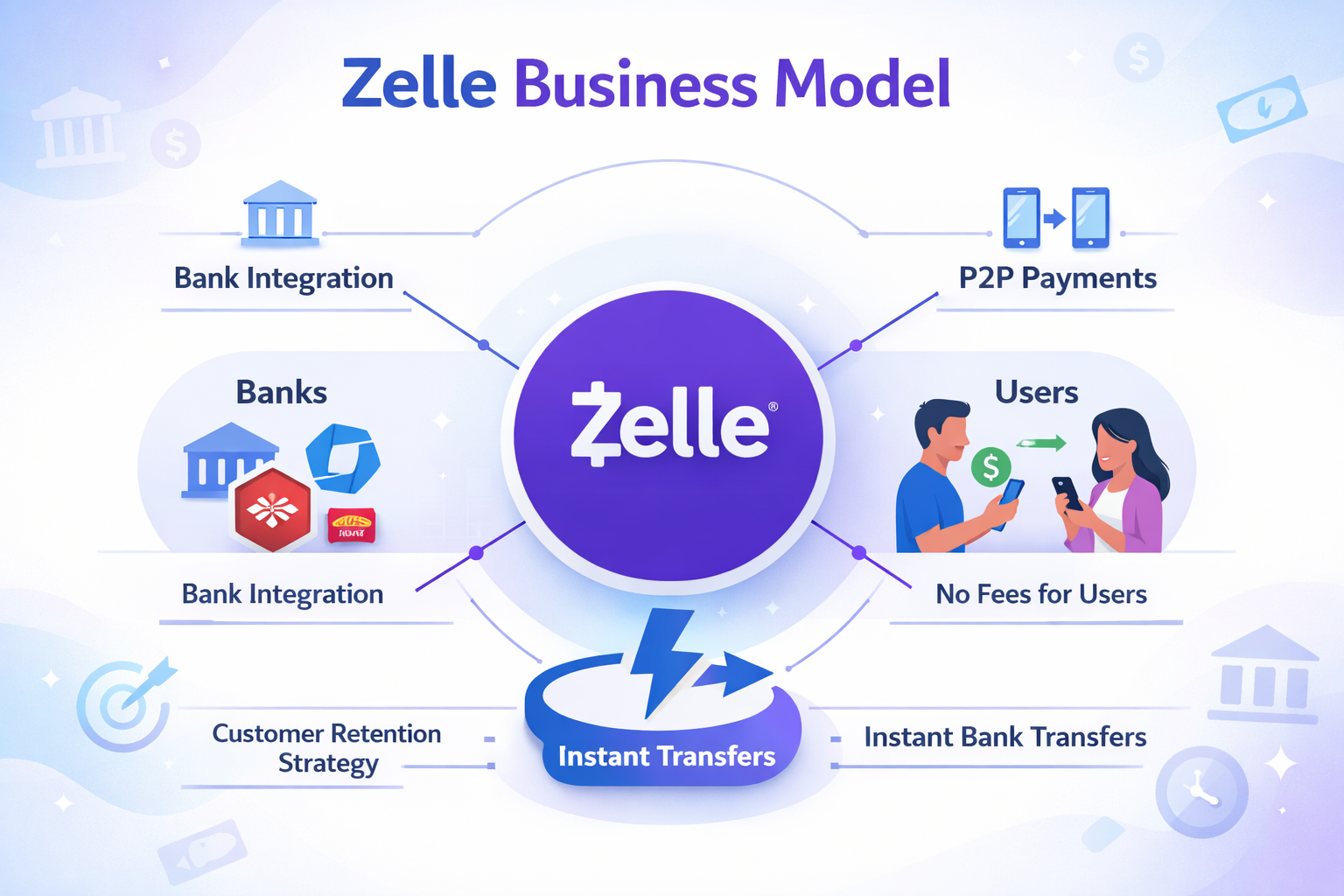
Zelle Business Model and How This Bank Built a Zero-Fee Payment Giant
There is a quiet giant sitting inside your banking app. You probably use it without thinking much about it. No fees, no wallet to top up, no app to download separately. Just open your bank, tap a few buttons, and money moves instantly. That giant is…
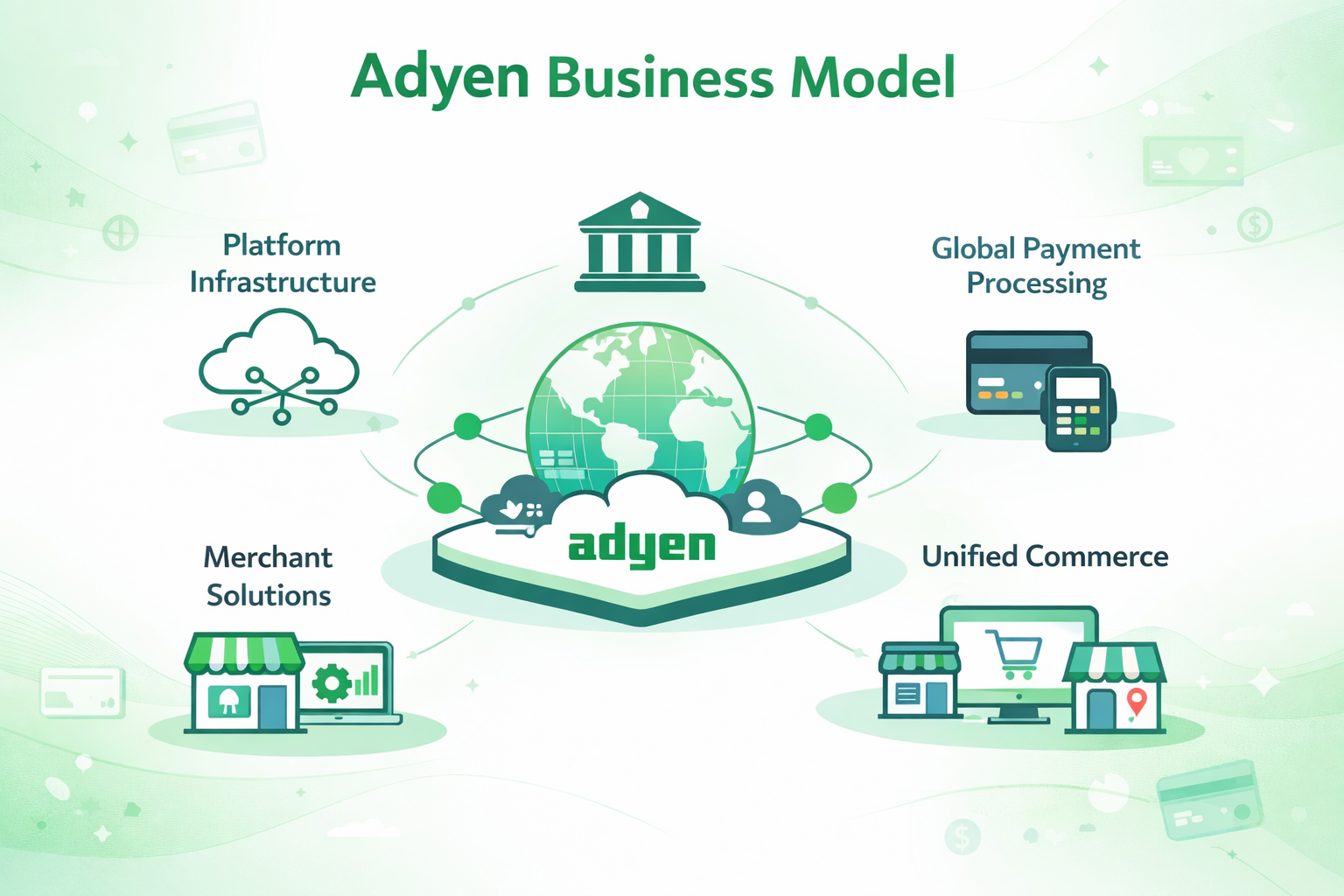
Adyen Business Model and How This Global Payment Platform Makes Money
Digital payments have quietly become the backbone of modern commerce. Behind every tap, swipe, and checkout button is a layer of infrastructure that most people never see. Adyen is one of the companies that built that infrastructure, and it built it in a…
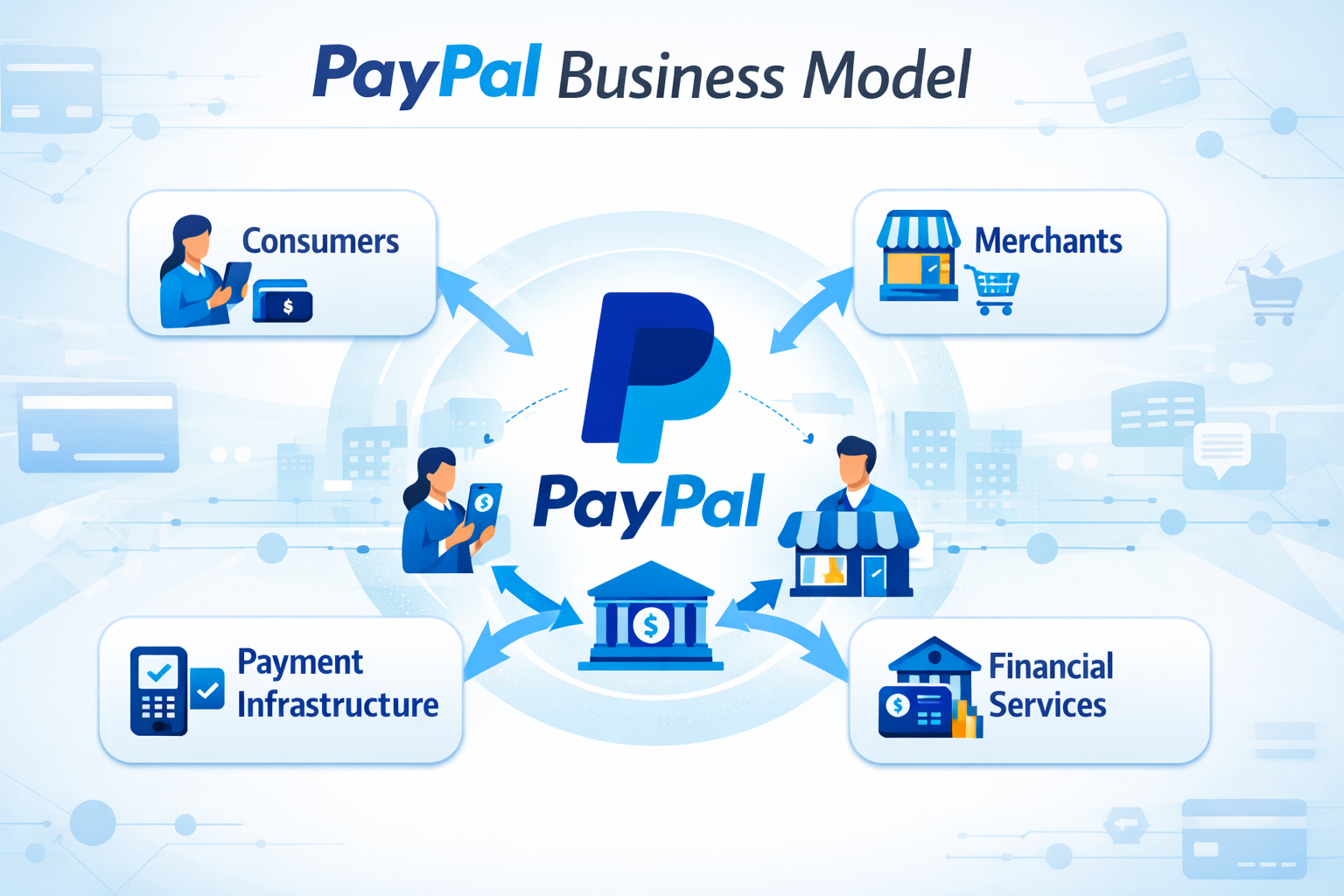
PayPal Business Model and How It Makes Money
PayPal started as a simple tool for sending money online. Today, it is one of the most trusted digital payment platforms in the world, powering transactions for millions of businesses, freelancers, and consumers across more than 200 countries. Its…

How Stripe Makes Money: Understanding Stripe Business Model
Stripe makes money by charging a transaction fee on every payment processed through its platform. The standard rate is 2.9% plus $0.30 per successful card charge. On top of that, Stripe earns revenue from SaaS tools like Stripe Billing and Radar,…
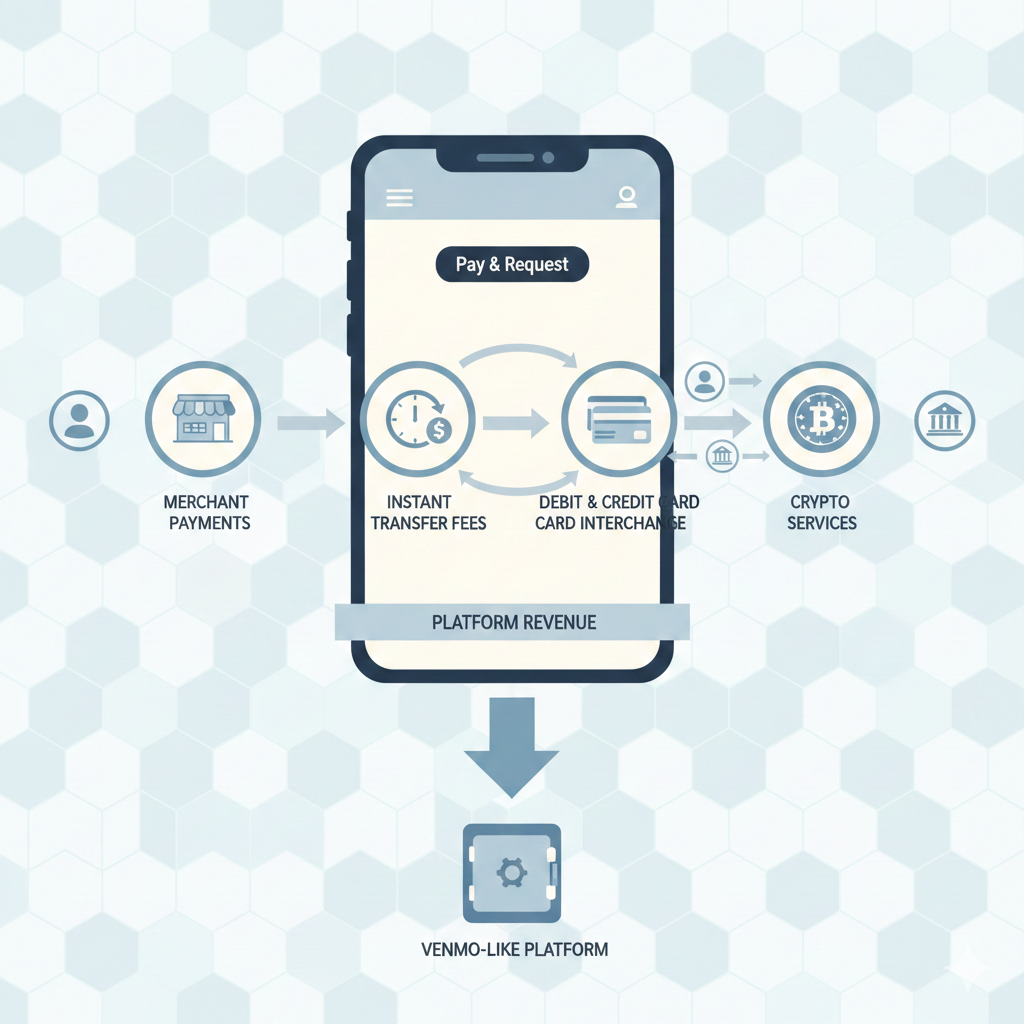
Venmo Business Model Explained (How the Social Payments App Makes Money)
Short answer: Venmo operates on a peer-to-peer digital payments business model, allowing users to send and receive money instantly, while earning revenue through transaction fees, merchant payments, instant transfers, and financial service add-ons.…

Robinhood Business Model Explained
Robinhood is a commission-free investing platform that makes money through payment for order flow, interest income on customer funds, subscriptions like Robinhood Gold, and other financial services. After operating at losses for many years, Robinhood has…
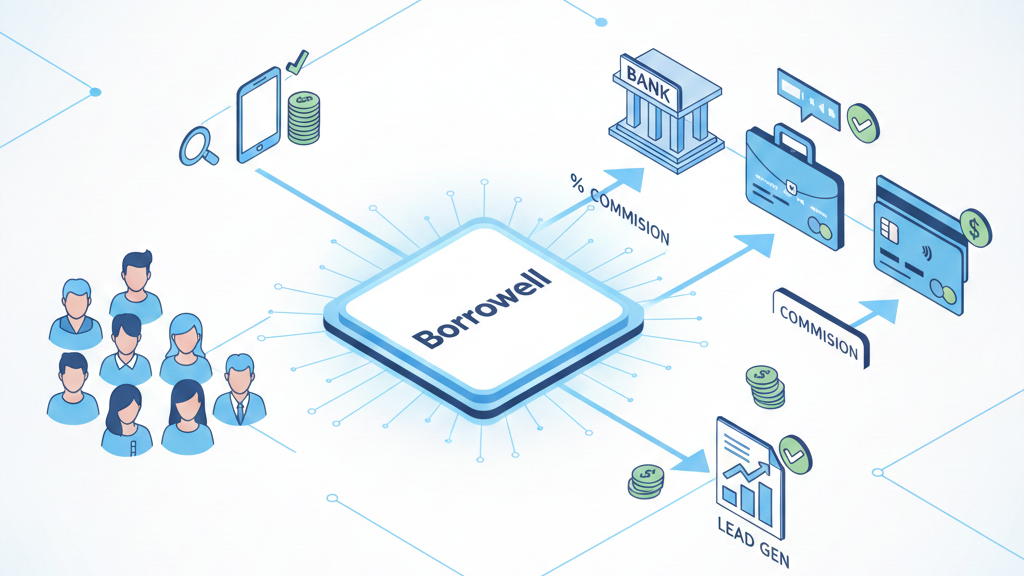
Borrowell Business Model: How Borrowell Makes Money in Canada’s Fintech Ecosystem
In Canada’s rapidly evolving fintech landscape, Borrowell has emerged as a household name for millions of Canadians seeking to understand and improve their credit health. Founded in 2014, this Toronto-based company has revolutionized how everyday…