
Procter & Gamble (P&G) Business Model How This FMCG Giant Makes Billions from Everyday Products

The Procter & Gamble (P&G) business model is built on brand dominance, mass distribution, premium positioning, and product innovation. Instead of selling random products, P&G builds category-leading brands like Tide, Pampers, and Gillette,…

Amazon Business Model: How Amazon Became the Most Powerful Commerce Ecosystem in the World
Amazon’s business model in one sentence: It is a multi-layered ecosystem combining e-commerce, marketplace commissions, cloud computing (AWS), advertising, subscriptions, and logistics infrastructure to maximize scale, customer loyalty, and…
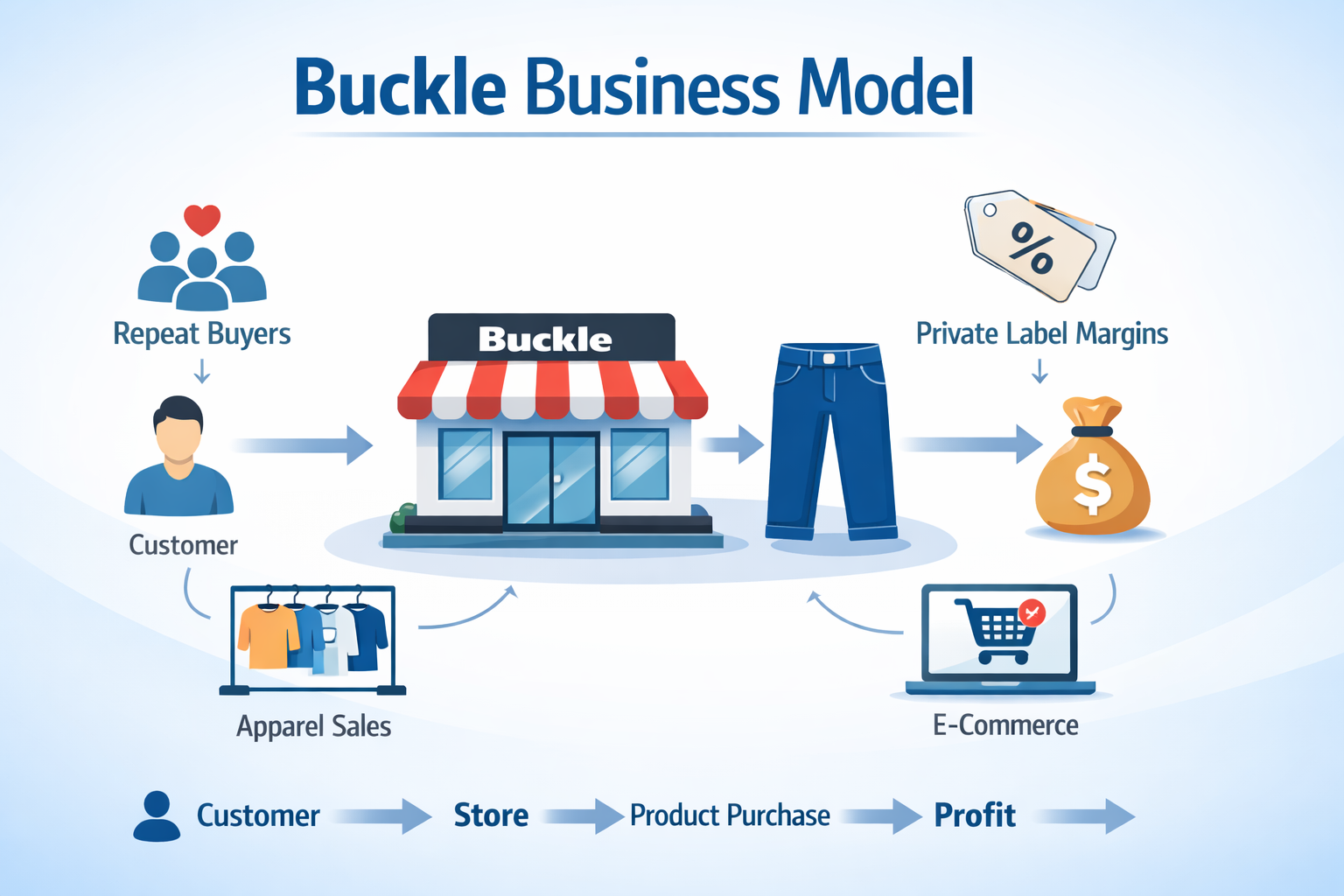
Buckle Business Model: How This Fashion Retailer Makes Money in the Age of DTC Brands
Most retail analysts would tell you Buckle shouldn’t still be winning. It’s a mall-based, denim-heavy, Midwestern fashion retailer in a world where DTC brands are eating legacy retail alive. And yet Buckle posts gross margins that make Zara…
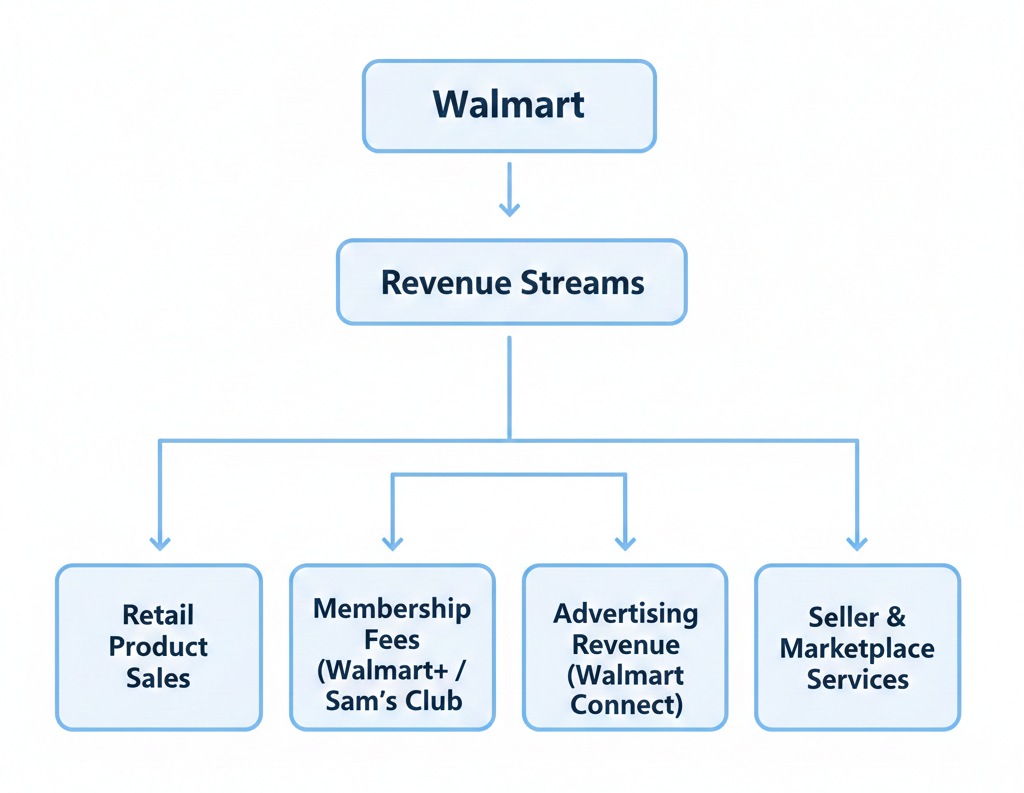
Walmart Business Model: How Walmart Makes Money
Short answer: Walmart makes money by selling everyday products at very low margins but extremely high volume, powered by scale, supply chain efficiency, private labels, and a growing eCommerce and advertising ecosystem. Why this matters: Walmart…
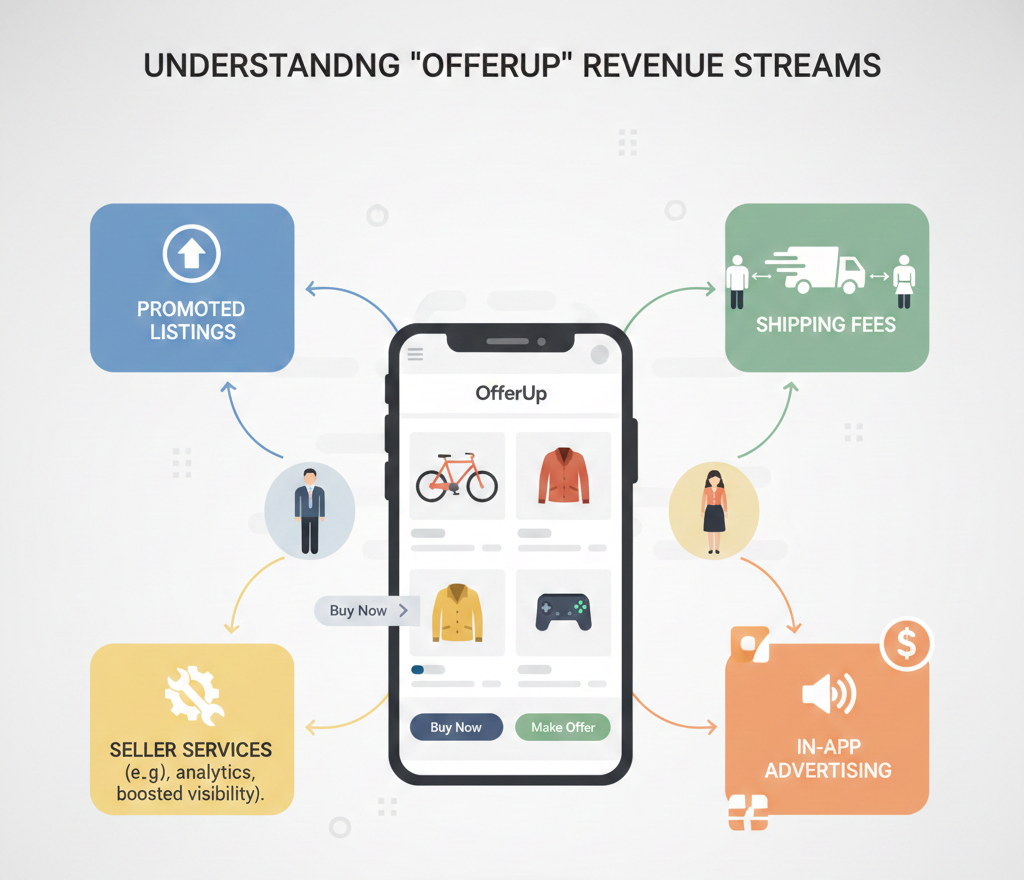
OfferUp Business Model Explained | How OfferUp Makes Money
Short answer: OfferUp operates on a local peer-to-peer marketplace business model, connecting buyers and sellers within nearby locations. The platform is free to use for basic listings and earns revenue through promoted listings, shipping fees, and…

Costco Business Model – How Costco Makes Money
Short answer: Costco makes most of its profit from annual membership fees, not product margins. Products are sold at near-cost prices to build trust, volume, and retention. Costco is fundamentally different from other retailers because it doesn’t…
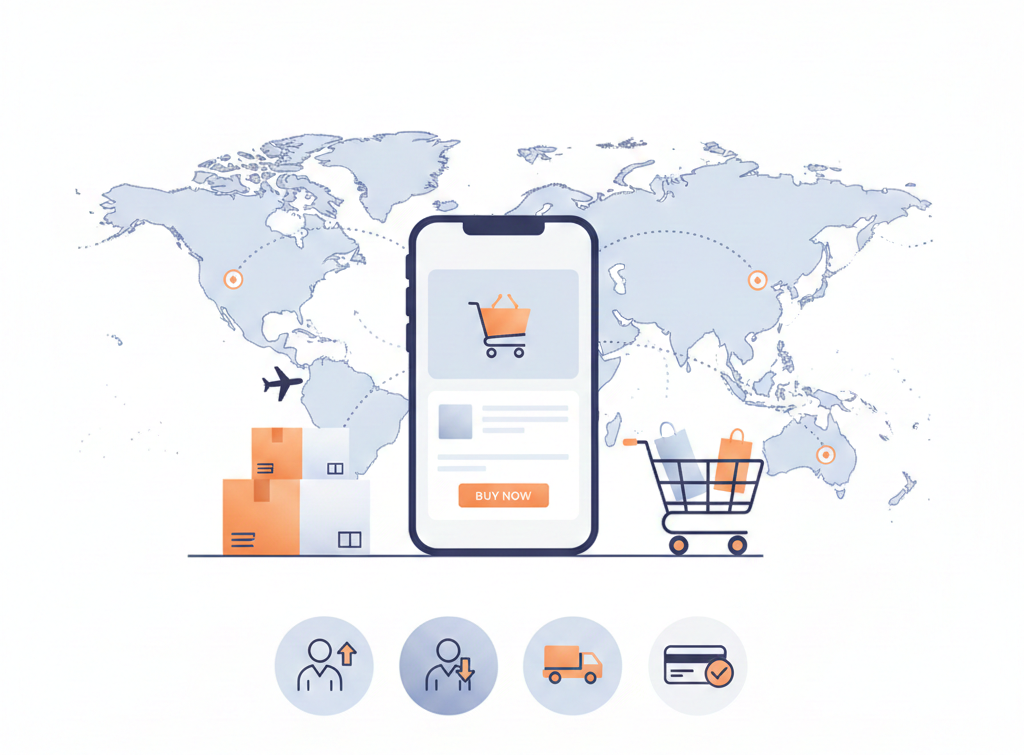
AliExpress Business Model Explained (How AliExpress Makes Money)
AliExpress is a global online marketplace owned by Alibaba Group that connects Chinese manufacturers and sellers directly with international retail buyers. The platform operates as an asset-light marketplace model, earning revenue primarily through…
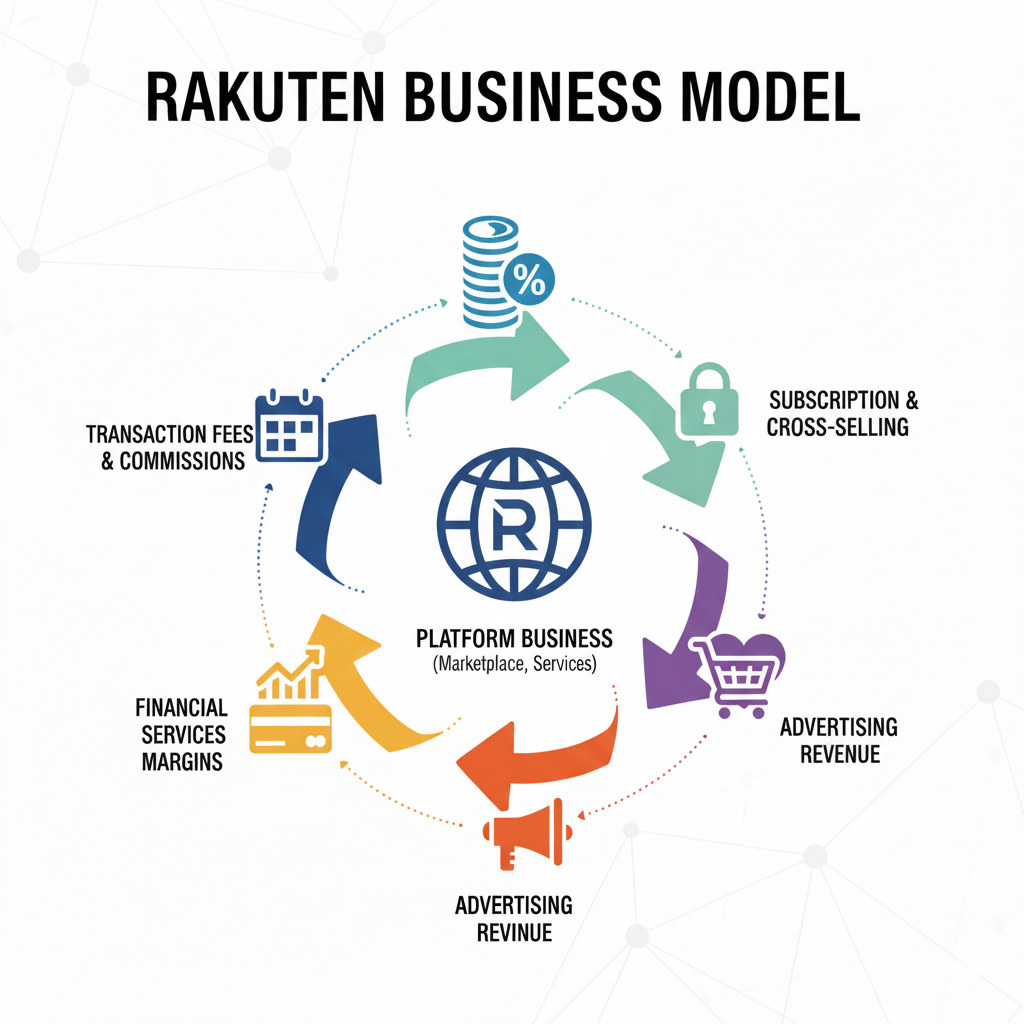
Rakuten Business Model: How a Japanese Company Built an Entire Internet Ecosystem
Rakuten makes money by building an ecosystem where e-commerce, fintech, telecom, and digital services all feed into each other through one powerful loyalty system. Now let’s break this down properly to understand what actually works, why Rakuten is…
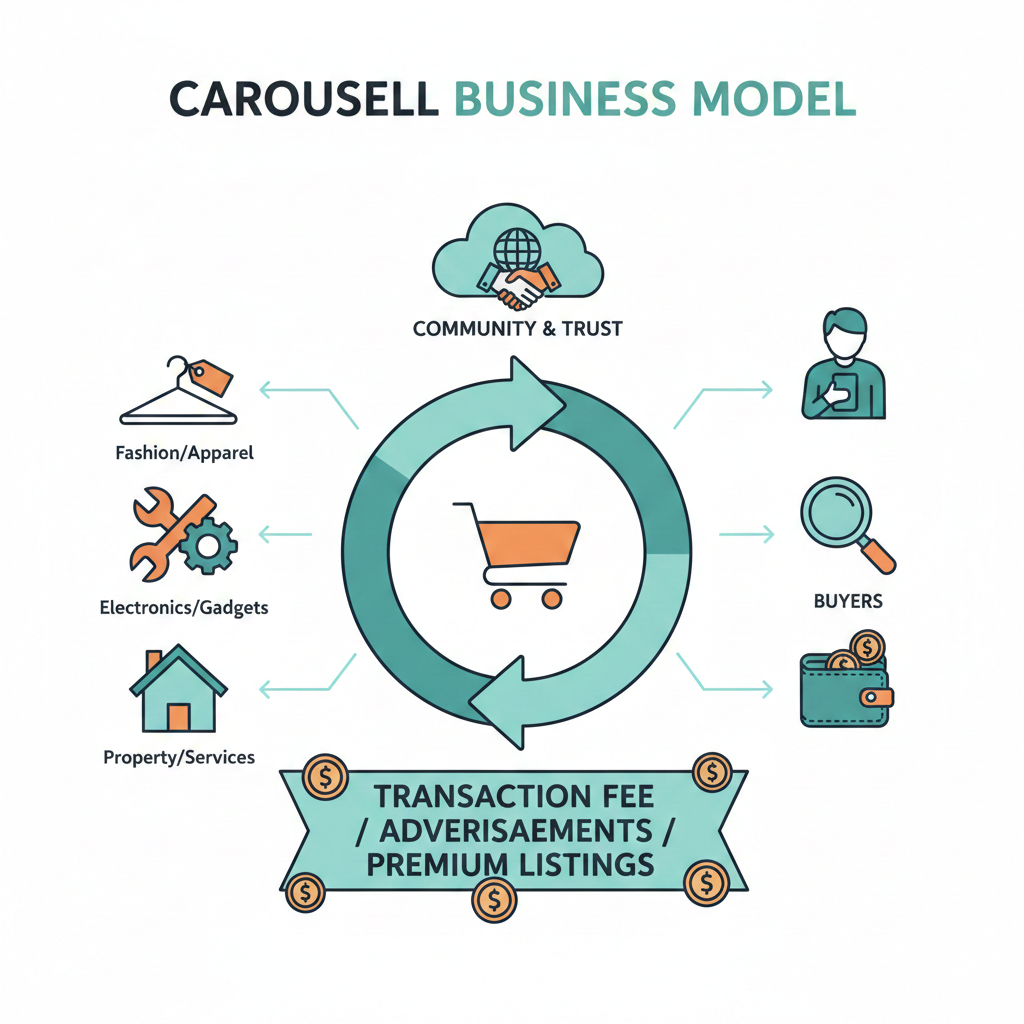
Carousell Business Model: How Carousell Makes Money
Carousell is a C2C and B2C online marketplace that lets individuals and small businesses buy and sell new or second-hand products locally. It is mainly used by everyday sellers, resellers, and bargain-seeking buyers. Carousell makes money through…

Taobao Business Model – How Taobao Makes Money
Taobao is China’s largest consumer-to-consumer (C2C) e-commerce marketplace, owned by the Alibaba Group. While it attracts users with free or low-cost selling, its primary revenue comes from advertising, merchant services, data monetization, payment and…

Quick Commerce Business Model: How 10-Minute Delivery Apps Actually Make Money
It’s 11 PM on a Sunday night. You’re hosting friends, the snacks have run out, and every store in your neighborhood is closed. Ten years ago, you’d be out of luck. Today? You open an app, tap a few buttons, and fresh chips, cold drinks,…

Coupang Business Model: How South Korea’s Amazon Built a Logistics-First E-commerce Empire
Coupang makes money by owning its logistics end-to-end, offering ultra-fast delivery (Rocket Delivery), earning margins from product sales, seller commissions, subscriptions, ads, and expanding into food delivery, fintech, and streaming. Now let’s break…

TikTok Shop Business Model Explained: How It Works & Why It’s Dominating Social Commerce
TikTok Shop has revolutionized the way consumers discover and purchase products online. What started as a short-video entertainment platform has evolved into one of the world’s fastest-growing e-commerce marketplaces, generating billions in sales…
Temu Business Model: How Temu Sells Products at Ultra-Low Prices
Quick Answer: Temu operates a marketplace business model connecting manufacturers directly with global consumers, generating revenue through seller commissions, service fees, and scale-driven pricing advantages while subsidizing growth through aggressive…
Shopee Business Model Explained: How a $100 Billion Platform Dominates Southeast Asia
Shopee’s GMV surpassed $100 billion in 2024 with 28% growth and over 10 billion gross orders, marking its first full year of adjusted EBITDA profitability. But here’s what most people miss Shopee didn’t start profitable. It burned…

Whatnot Business Model Explained
Whatnot makes money by taking a commission on every sale made during live auctions and streams, along with payment processing fees. It’s a marketplace-first model powered by live video commerce. Now let’s break it down properly. What is…
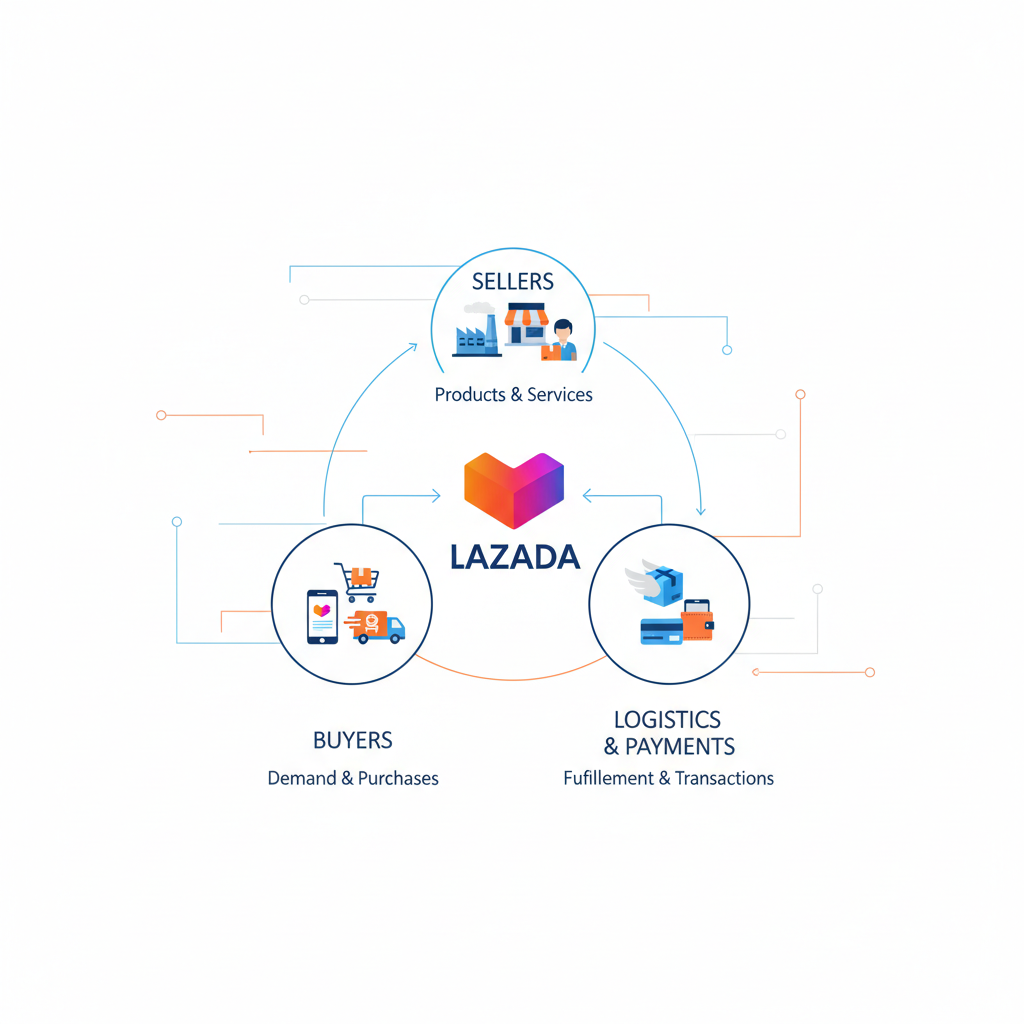
Lazada Business Model And How It Makes Money in Southeast Asia
Lazada makes money by connecting sellers and buyers on its platform and earning through commissions, advertising, logistics services, seller tools, and value-added services, backed strongly by Alibaba’s technology and ecosystem. Now let’s break this down…