
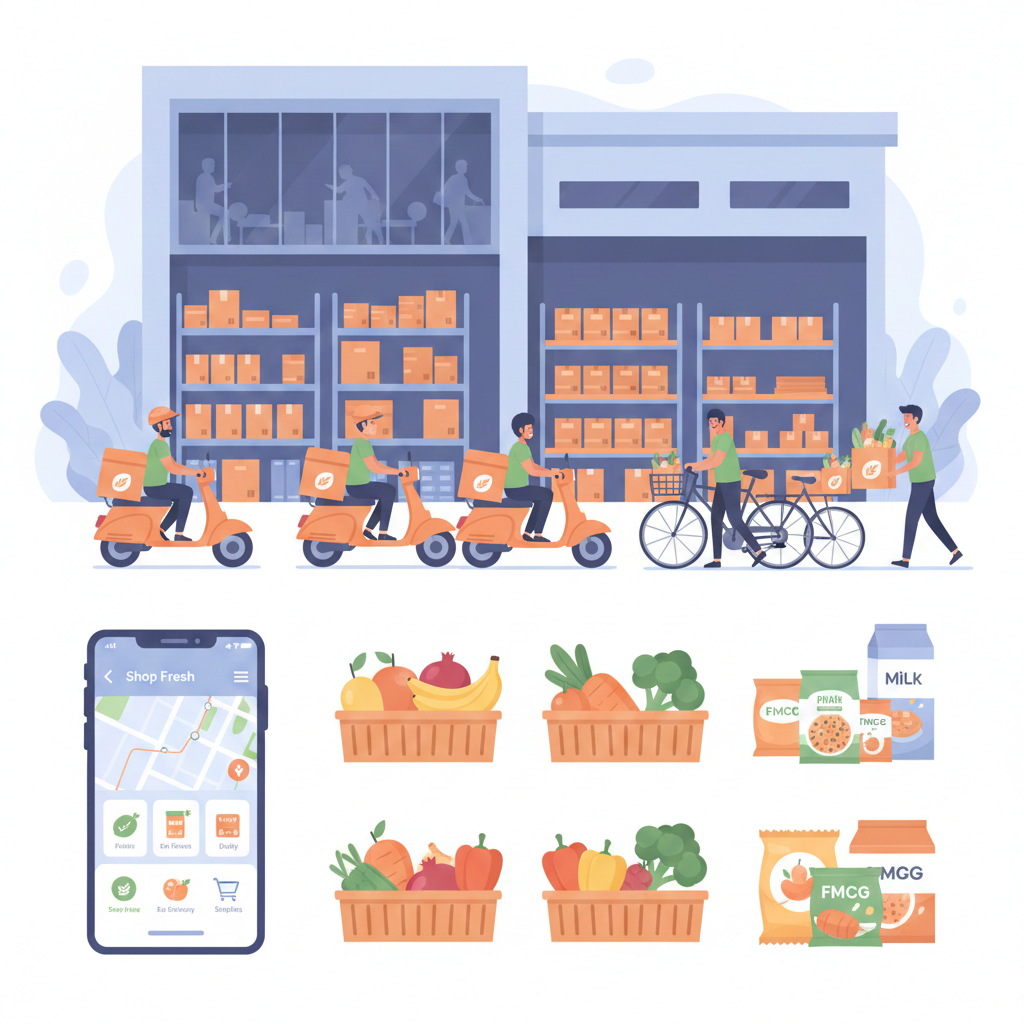
BigBasket Business Model Explained (How India’s Largest Online Grocery Works)

BigBasket operates on an inventory-led and hybrid marketplace business model, where it sources groceries directly from brands and farmers, stores them in its own warehouses (dark stores), and delivers orders using its logistics network. Alongside this,…

Robinhood Business Model Explained
Robinhood is a commission-free investing platform that makes money through payment for order flow, interest income on customer funds, subscriptions like Robinhood Gold, and other financial services. After operating at losses for many years, Robinhood has…
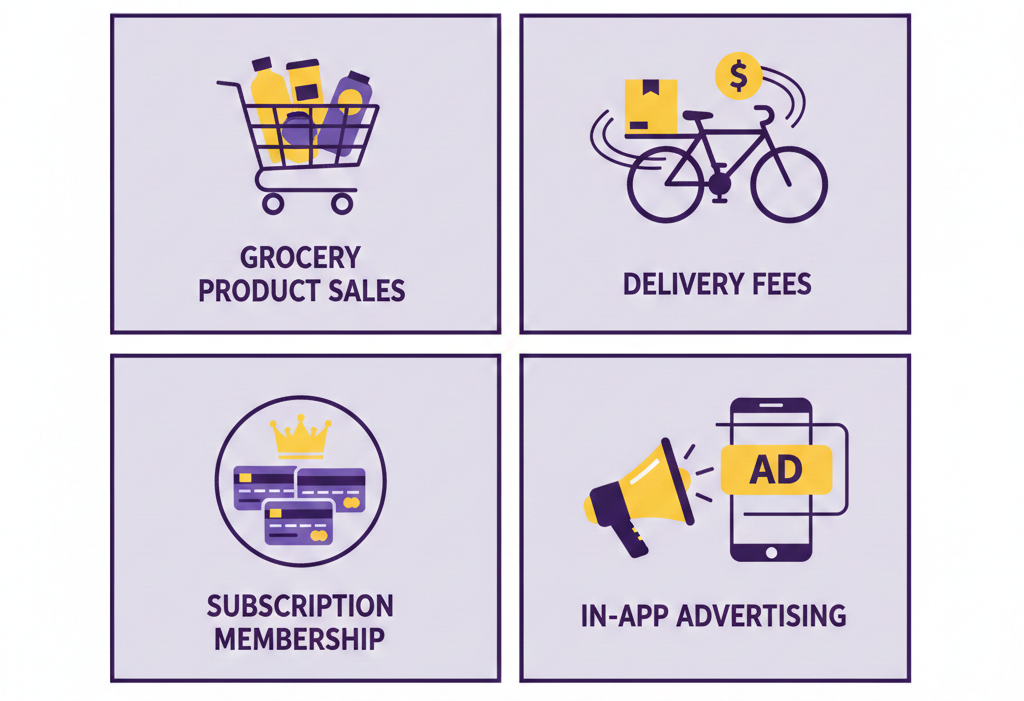
Getir Business Model Explained: How Ultra-Fast Delivery Really Works
Getir is one of the companies that changed how people think about grocery delivery. Before Getir, online grocery meant waiting hours or even days. Getir made a bold promise: everyday essentials delivered to your door in minutes, not hours. That single…
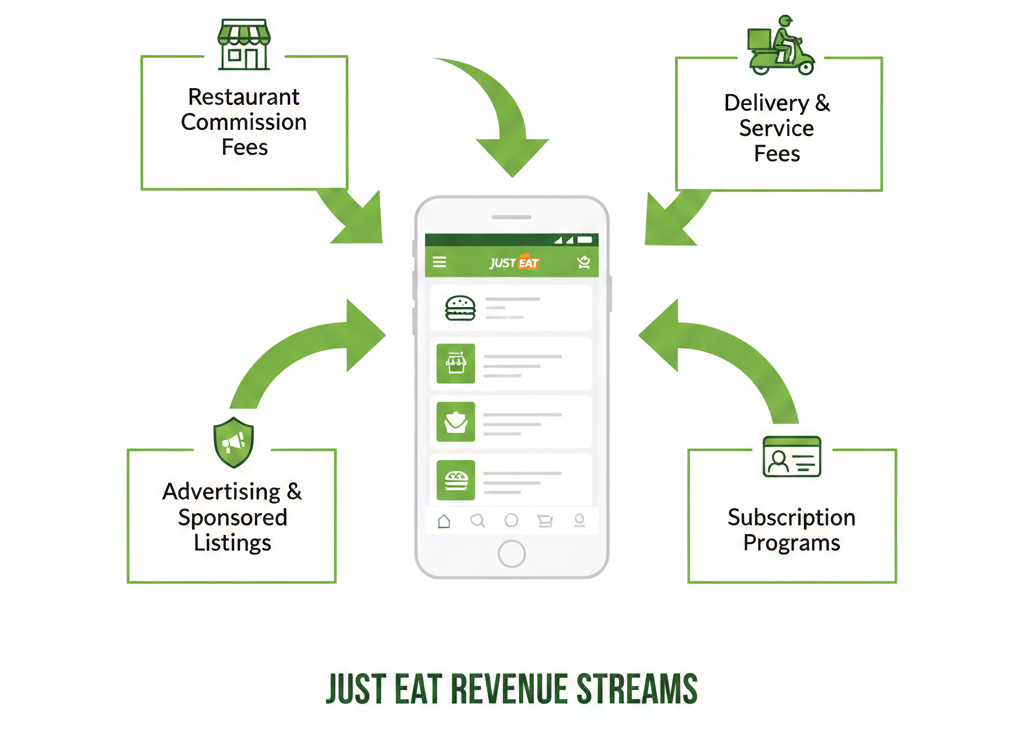
Just Eat Business Model: How Just Eat Makes Money in the Online Food Delivery Market
The online food delivery industry has experienced massive growth over the last decade, driven by changing consumer habits, mobile technology, and urban lifestyles. Platforms like Uber Eats, DoorDash, and Deliveroo have reshaped how people order food but…
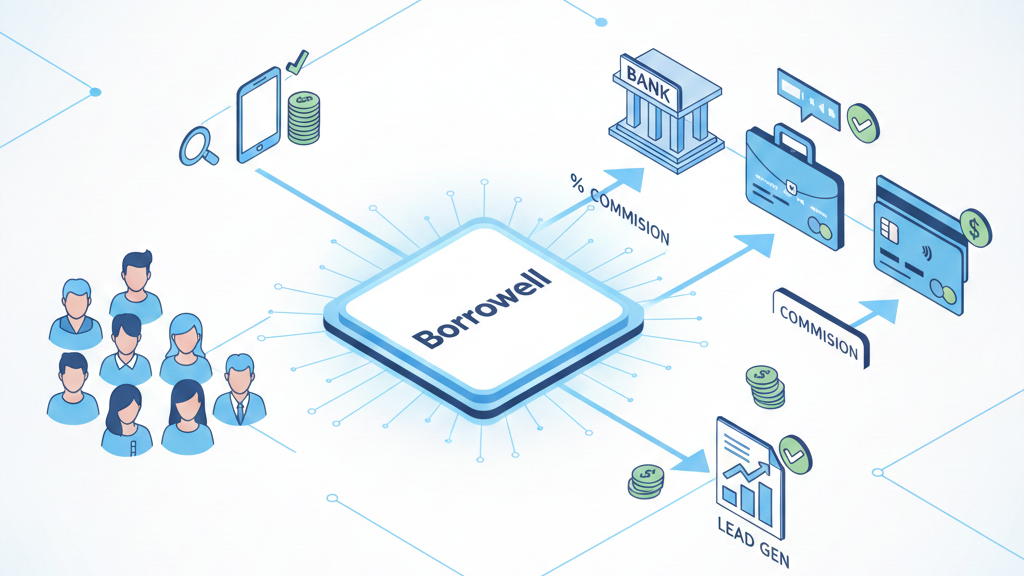
Borrowell Business Model: How Borrowell Makes Money in Canada’s Fintech Ecosystem
In Canada’s rapidly evolving fintech landscape, Borrowell has emerged as a household name for millions of Canadians seeking to understand and improve their credit health. Founded in 2014, this Toronto-based company has revolutionized how everyday…
Is a Subscription Model a Good Fit for My Business?
A subscription model is a good fit only if your business delivers ongoing value, not one-time value.If customers would naturally come back every month without being forced, subscriptions can work. If not, they can quietly damage trust, growth, and…

What Is the Biggest Competitive Advantage of ByteDance?
ByteDance’s biggest competitive advantage is its AI-driven recommendation system combined with a rapid experimentation culture, which allows it to understand user behaviour better and faster than any competitor. In simple words, ByteDance doesn’t rely on…
DiDi Chuxing Franchise Model and Marketing Strategies: A Business Analysis
DiDi Chuxing stands as China’s dominant ride-hailing platform and one of the world’s largest mobility service providers, operating across Asia and Latin America. With over 550 million users and tens of millions of drivers, DiDi has…

Evaluating Ola’s Intercity Transportation Services in India: A Critical Analysis
Let me start with a scenario you’ve probably lived through: It’s 5 AM, you’re standing outside your home with luggage, waiting for that pre-booked taxi to take you to your hometown. The driver calls and cancels. Panic sets in. Sound…
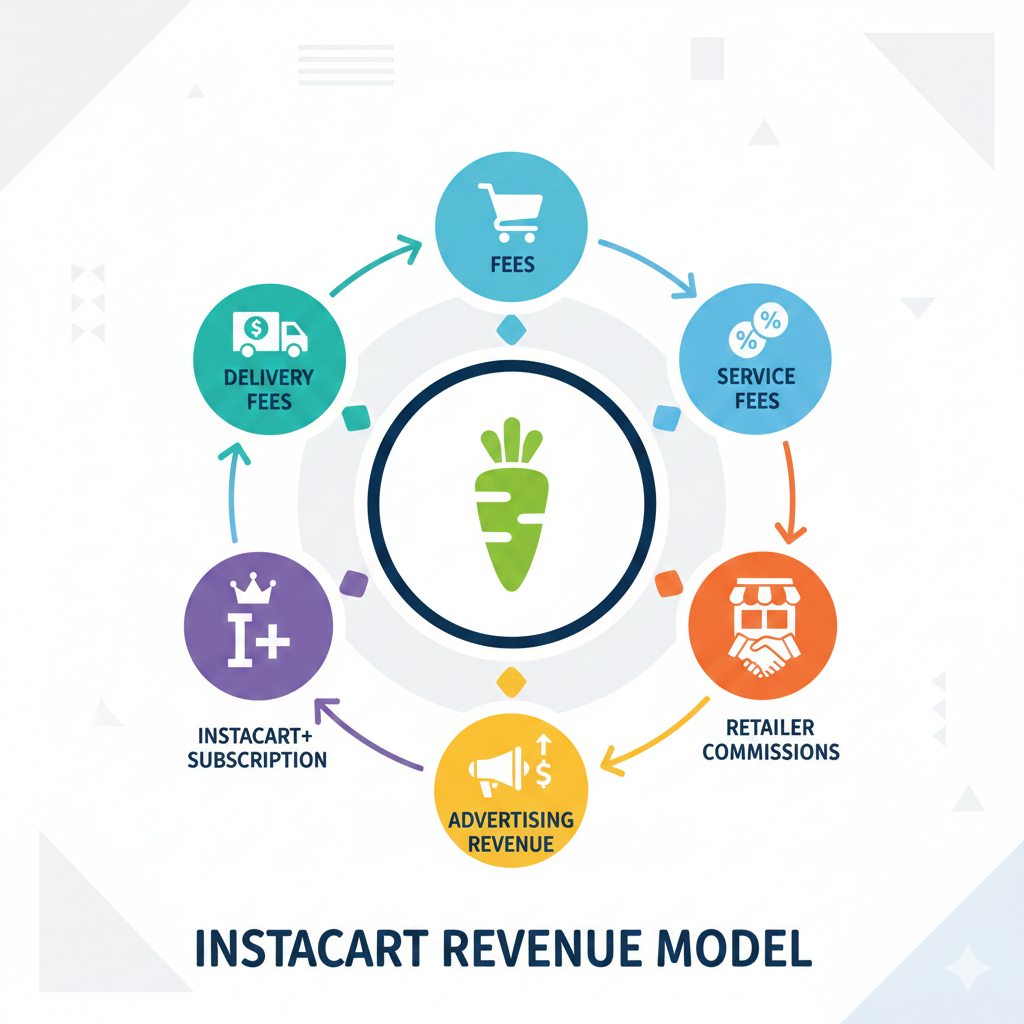
Instacart Business Model: How Instacart Makes Money Without Owning Inventory
Instacart connects you to groceries from your favorite local stores—without actually owning a single banana or bag of chips. It’s a platform, not a grocer, and that distinction is everything. Here’s what makes it interesting: Instacart…
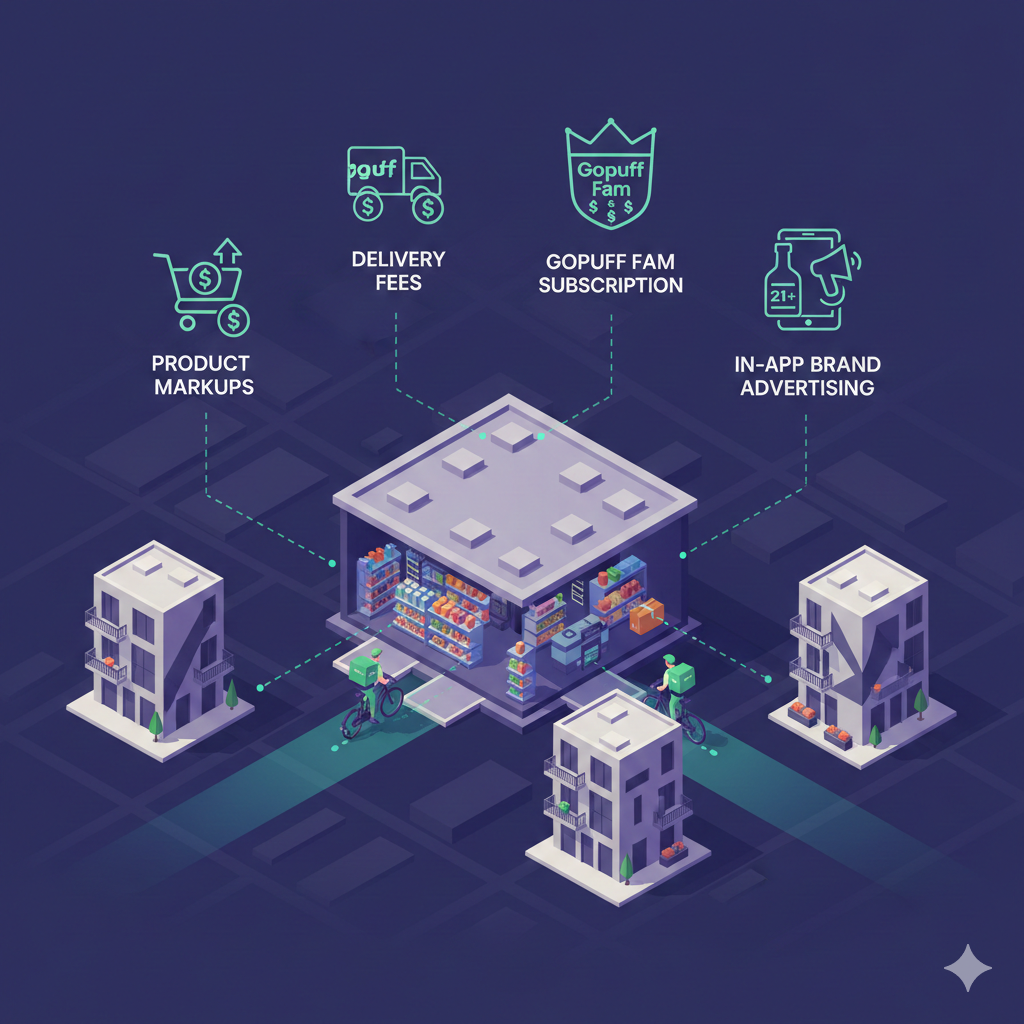
Gopuff Business Model: How America’s Instant Delivery Giant Actually Makes Money
Gopuff makes money by owning inventory, operating local micro-fulfillment centers, and charging margins on products, delivery fees, subscriptions, and brand partnerships while trading profitability for speed and convenience. What Is Gopuff? Gopuff…
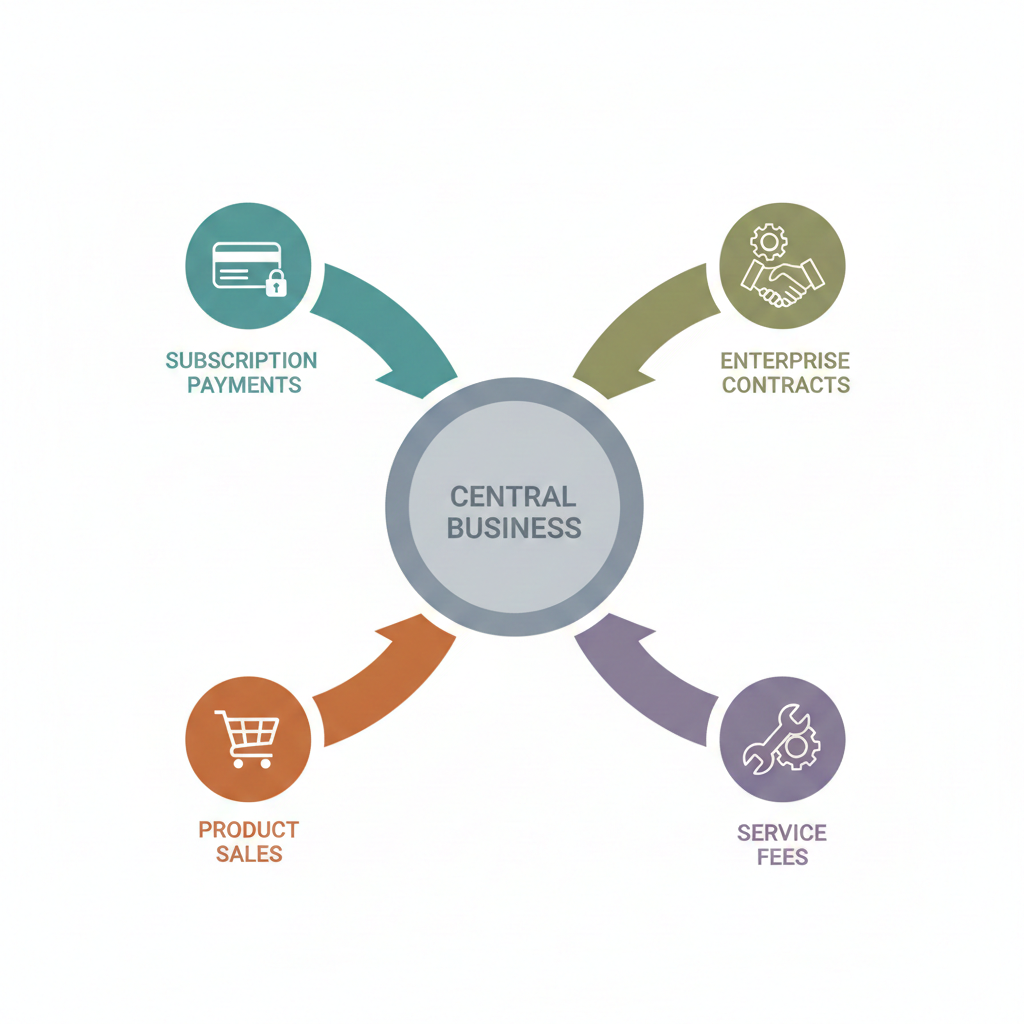
Acme Corp Business Model: How the Company Makes Money, Grows, and Scales
Short Answer Acme Corp operates on a diversified business model that combines product sales, recurring contracts, and enterprise partnerships to drive predictable revenue and long-term growth. The company balances transactional revenue with sticky…

Costco Business Model – How Costco Makes Money
Short answer: Costco makes most of its profit from annual membership fees, not product margins. Products are sold at near-cost prices to build trust, volume, and retention. Costco is fundamentally different from other retailers because it doesn’t…
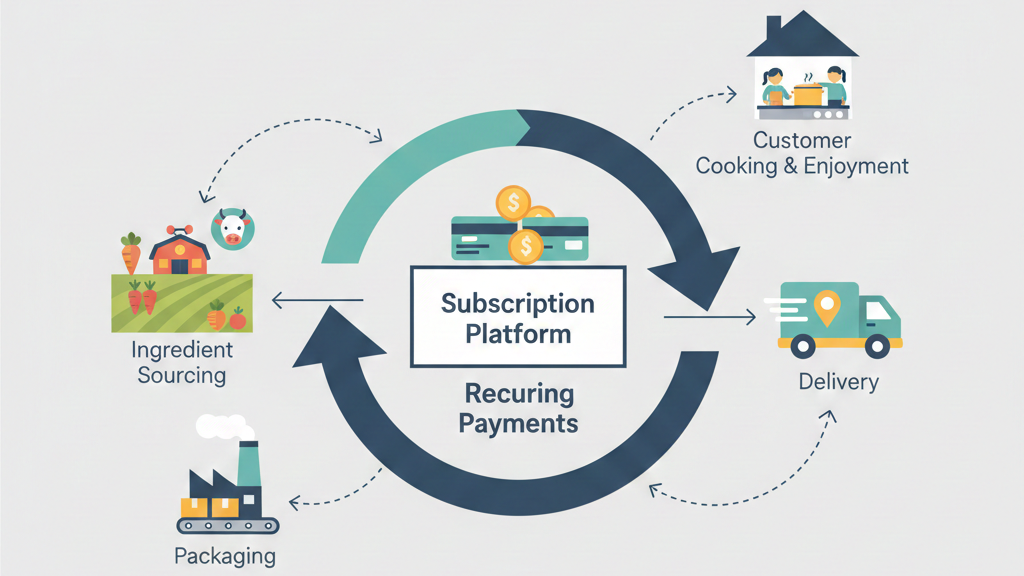
HelloFresh Business Model – How HelloFresh Makes Money
Short answer: HelloFresh makes money by selling subscription-based meal kits directly to customers, charging weekly or monthly fees based on meal plans and delivery frequency. HelloFresh is a meal kit delivery service that ships pre-portioned ingredients…
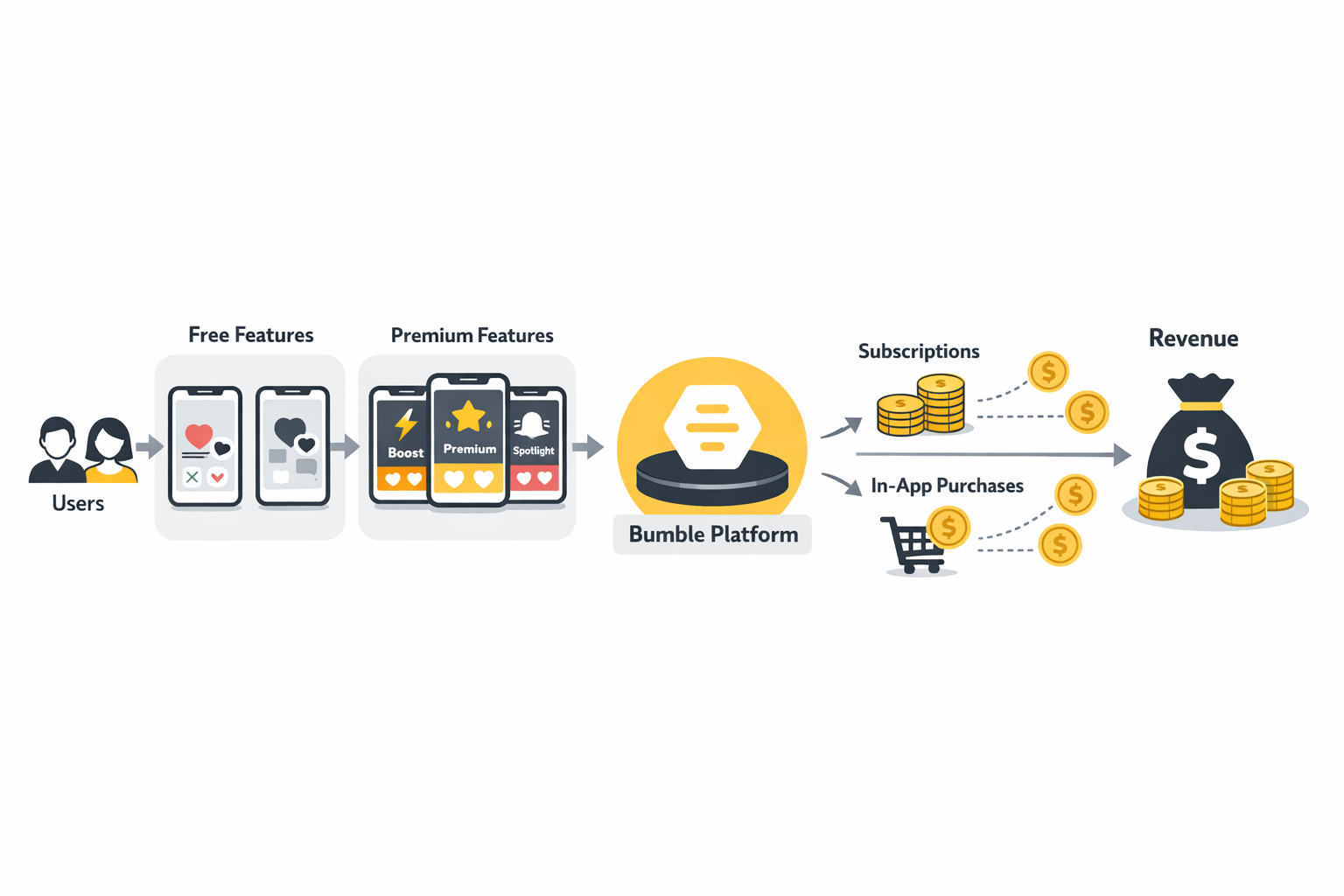
Bumble Business Model: How Bumble Makes Money While Putting Women First
You know what’s wild? While most dating apps were playing the same old game of “swipe, match, hope someone messages you,” Bumble walked in and said, “What if we just… flipped the script?” And that simple flip turned…
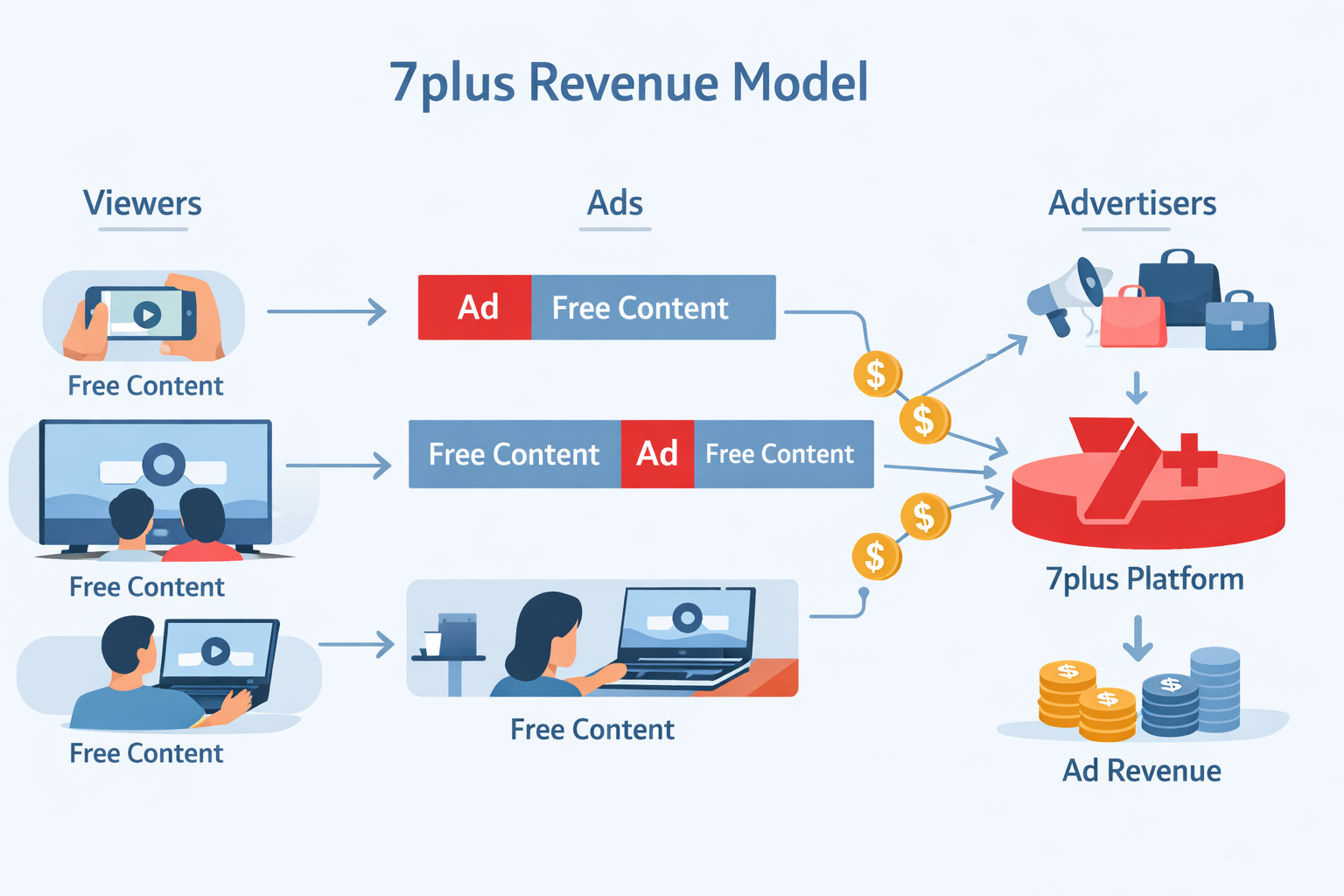
7plus Business Model: How Australia’s Free Streaming Platform Makes Money
7plus makes money primarily through advertising offering free streaming in exchange for viewer attention, which it sells to brands through targeted, data-driven ad placements across live TV and on-demand content. If you’ve ever watched Home and…
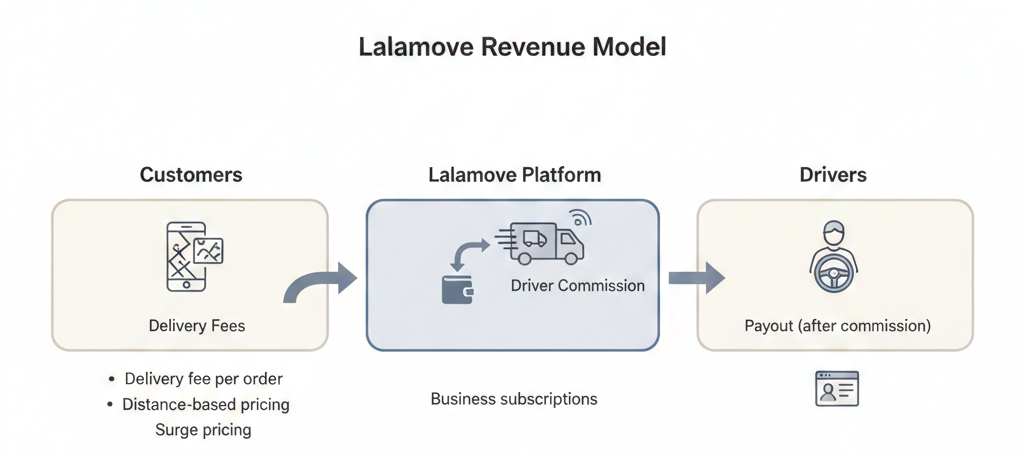
Lalamove Business Model: How Lalamove Makes Money
Lalamove is an on-demand logistics platform that connects customers who need instant delivery with independent drivers. The company makes money by charging delivery fees to customers and taking commissions from each completed order. What Is Lalamove?…
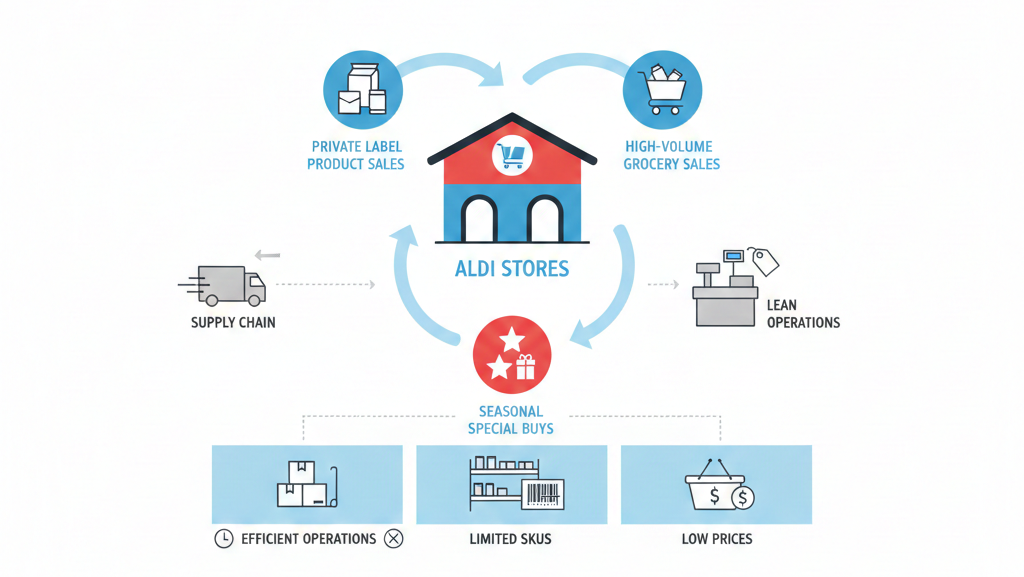
Aldi Business Model: How Aldi Sells Cheaper Than Everyone (And Still Makes Money)
Aldi makes money by cutting costs everywhere except product quality, selling mostly private-label items, and running extremely efficient stores. Aldi doesn’t try to look fancy.It tries to be cheap, fast, and predictable and that’s exactly why it works.…
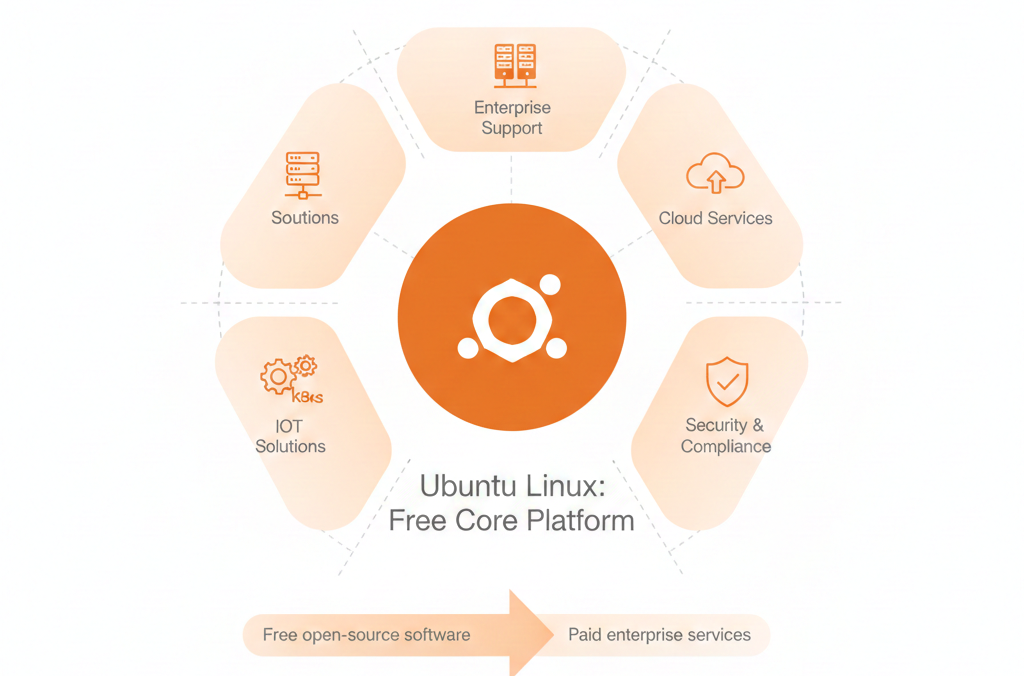
Canonical Business Model: How Ubuntu Makes Money Without Selling Software
Canonical makes money by giving Ubuntu away for free and charging enterprises for support, security, cloud services, and infrastructure tools. That sounds counter-intuitive at first.But this “free core + paid services” model is exactly why Canonical has…
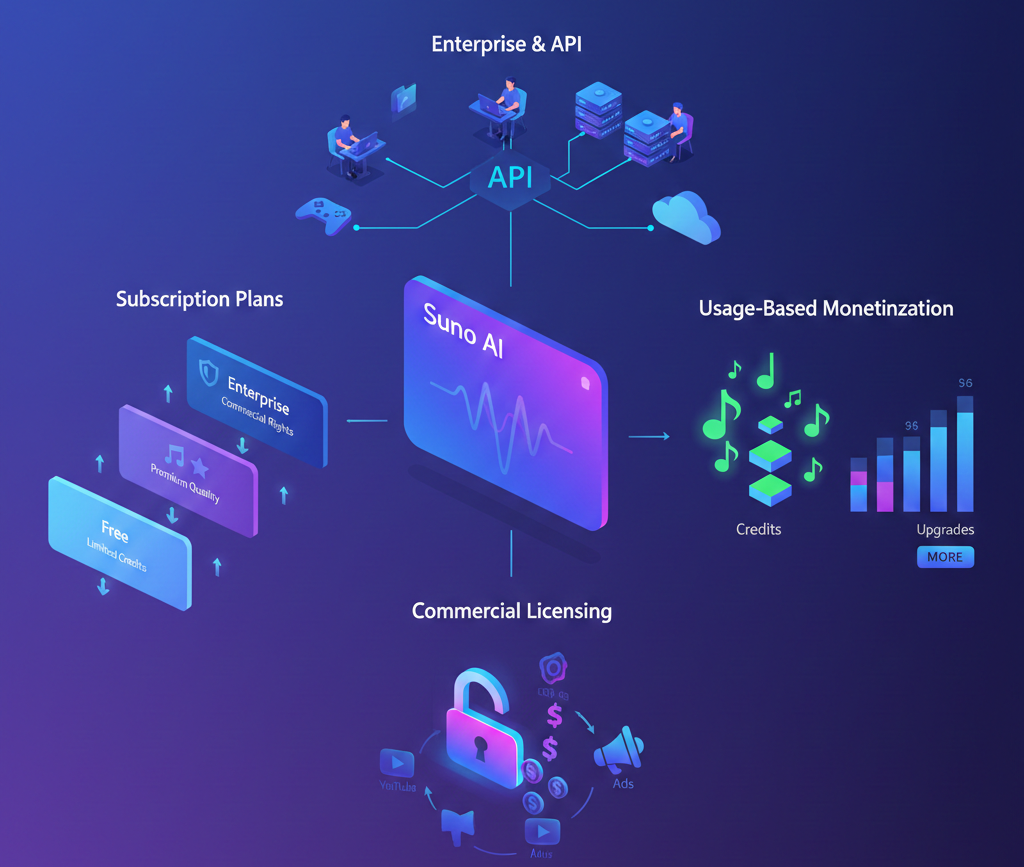
Suno AI Business Model: How AI-Generated Music Is Monetized
The Rise of AI-Generated Music The creative industries are experiencing a seismic shift as generative AI technologies mature and become accessible to mainstream users. From text generation to image creation, AI tools are democratizing creative production…