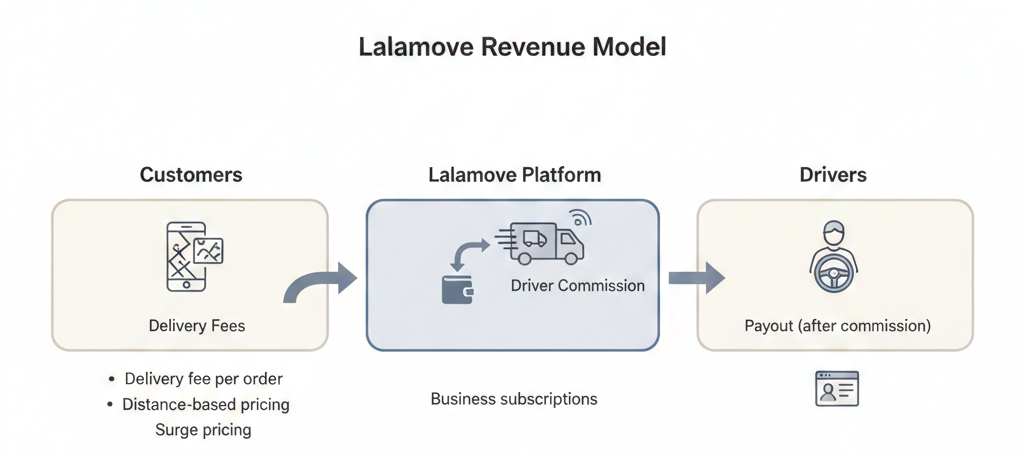
Lalamove Business Model: How Lalamove Makes Money

Lalamove is an on-demand logistics platform that connects customers who need instant delivery with independent drivers. The company makes money by charging delivery fees to customers and taking commissions from each completed order. What Is Lalamove?…
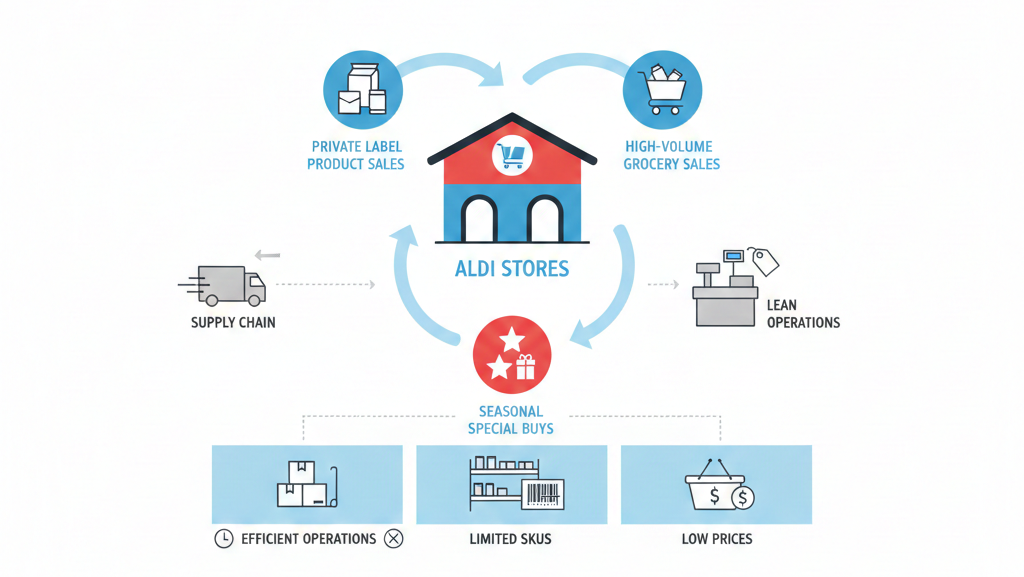
Aldi Business Model: How Aldi Sells Cheaper Than Everyone (And Still Makes Money)
Aldi makes money by cutting costs everywhere except product quality, selling mostly private-label items, and running extremely efficient stores. Aldi doesn’t try to look fancy.It tries to be cheap, fast, and predictable and that’s exactly why it works.…
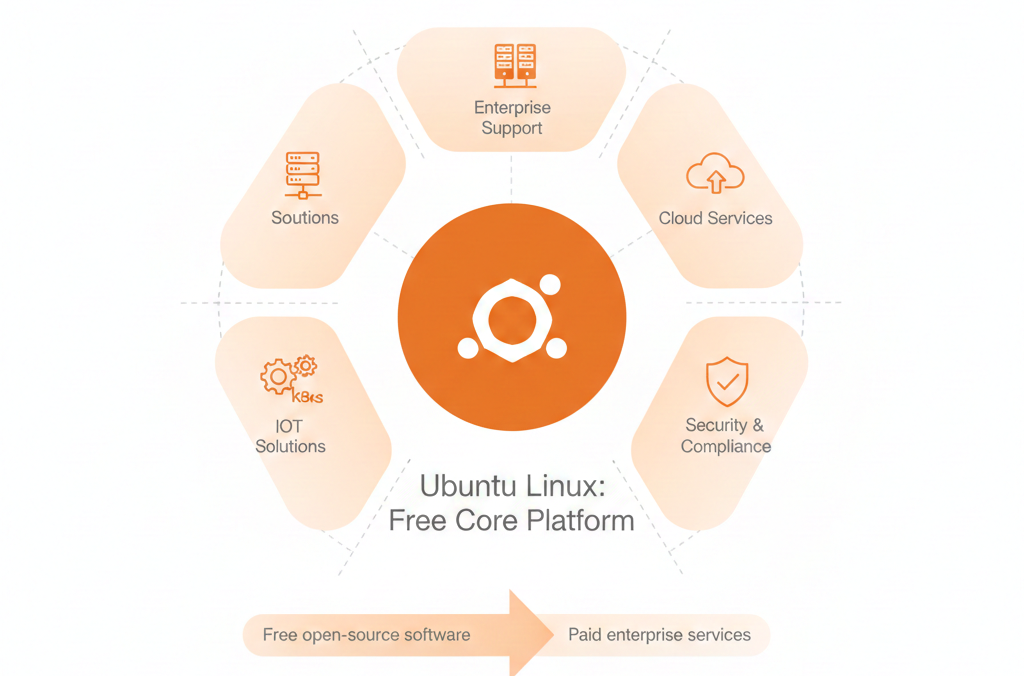
Canonical Business Model: How Ubuntu Makes Money Without Selling Software
Canonical makes money by giving Ubuntu away for free and charging enterprises for support, security, cloud services, and infrastructure tools. That sounds counter-intuitive at first.But this “free core + paid services” model is exactly why Canonical has…
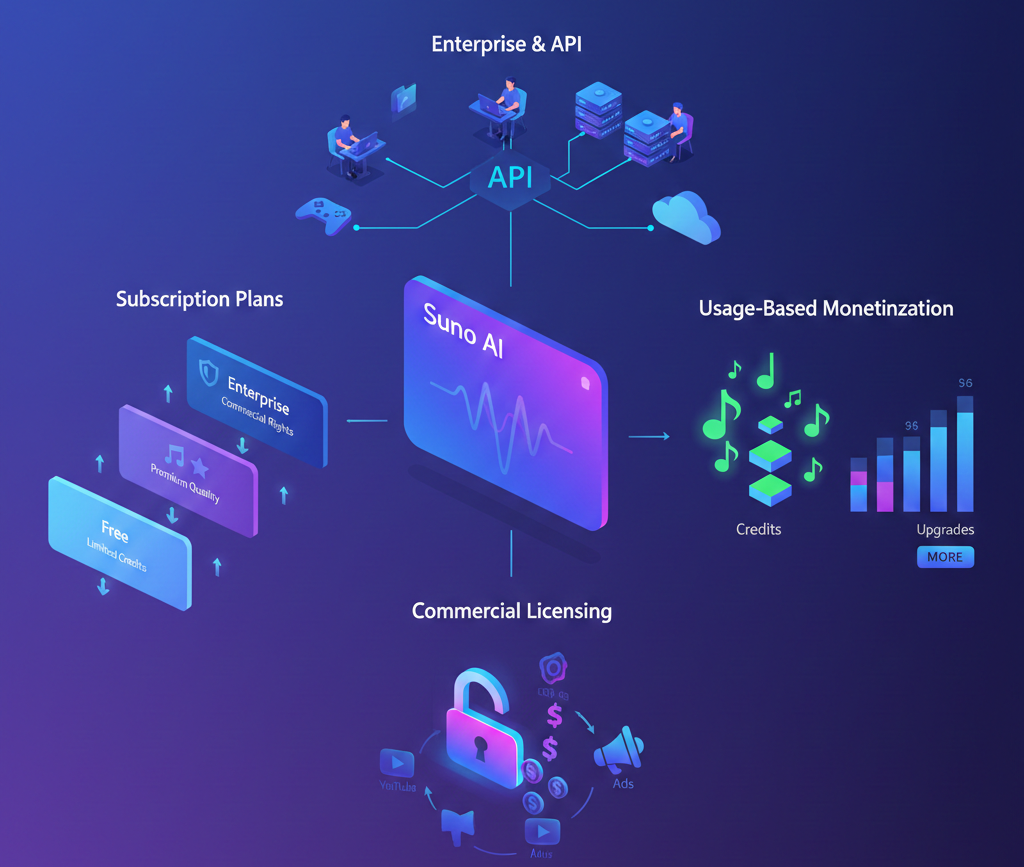
Suno AI Business Model: How AI-Generated Music Is Monetized
The Rise of AI-Generated Music The creative industries are experiencing a seismic shift as generative AI technologies mature and become accessible to mainstream users. From text generation to image creation, AI tools are democratizing creative production…
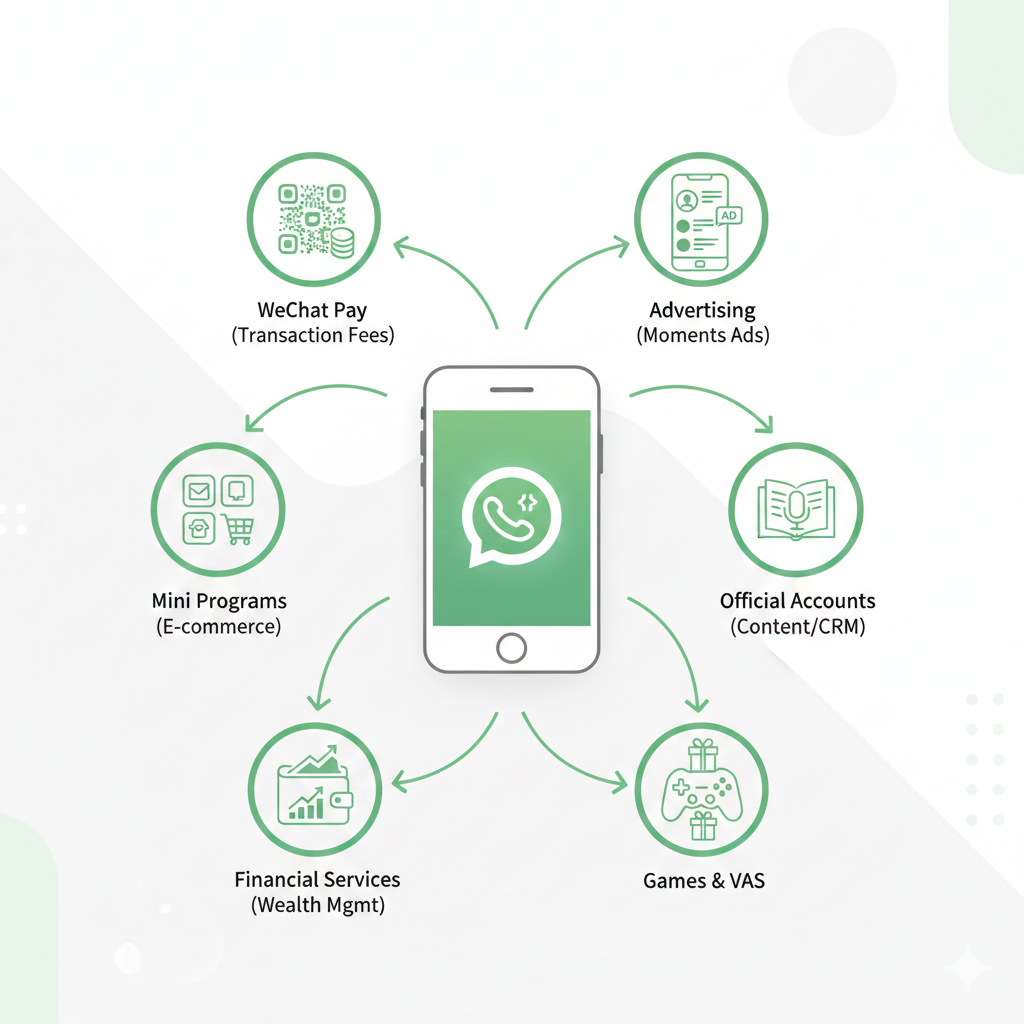
Understanding WeChat’s Business Model: How One App Became a Profitable Digital Ecosystem
Why WeChat Is More Than a Messaging App? When WeChat launched in 2011, it entered a crowded market of messaging applications. Today, it stands as something entirely different: a comprehensive digital ecosystem that has fundamentally transformed how over…
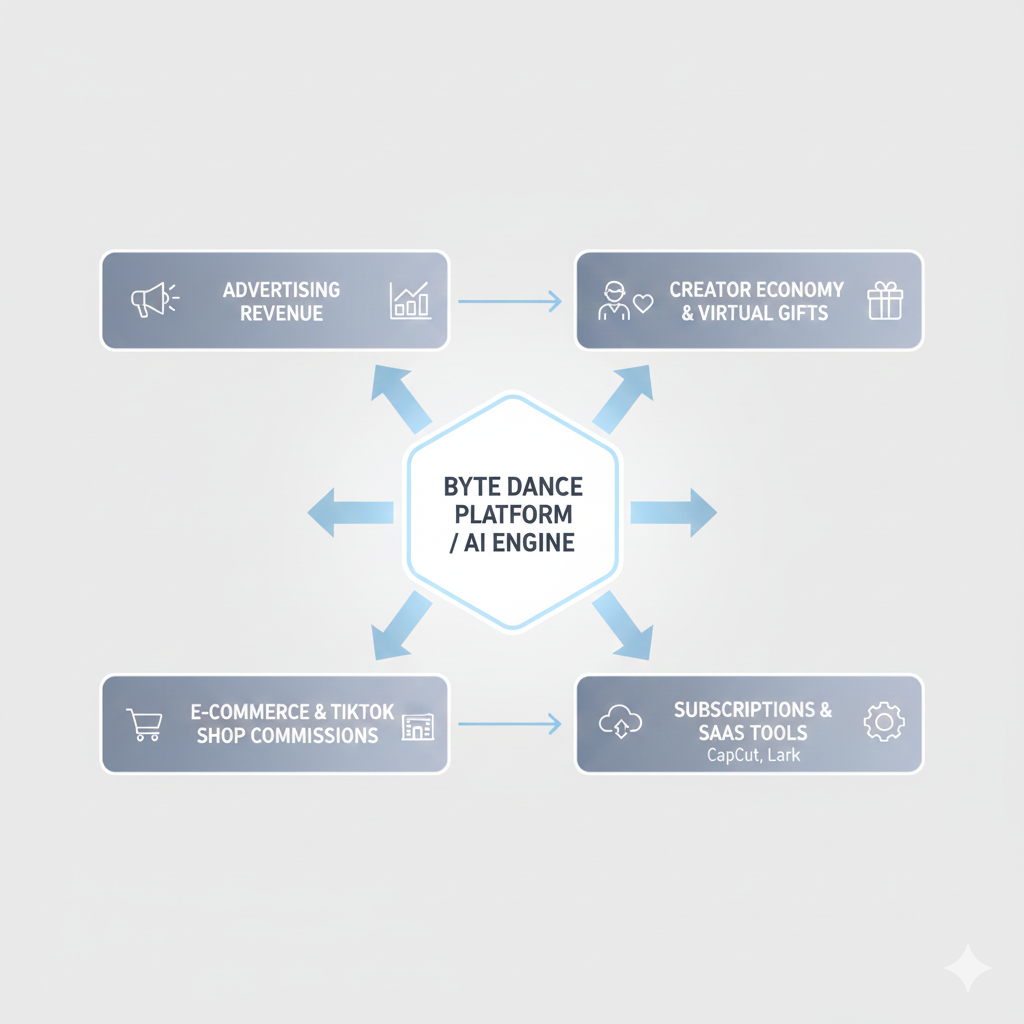
ByteDance Business Model Explained (How ByteDance Makes Money)
ByteDance is a Chinese technology company that builds AI-powered content platforms, most notably TikTok and Douyin. Its business model centers on using sophisticated recommendation algorithms to capture user attention at scale, then monetizing that…
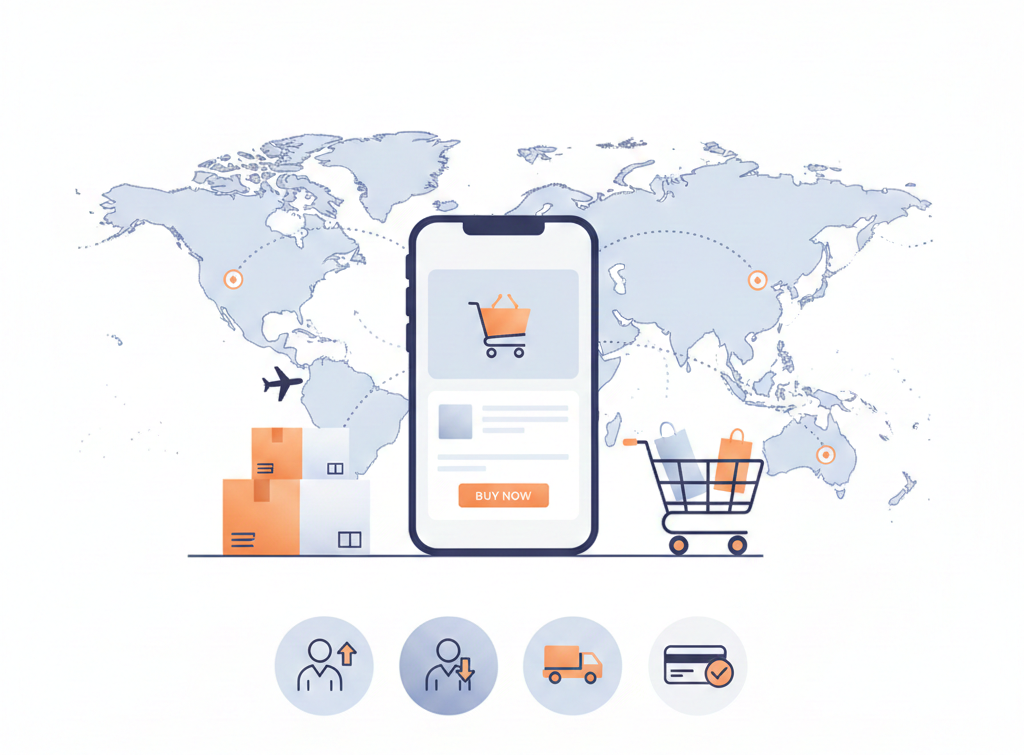
AliExpress Business Model Explained (How AliExpress Makes Money)
AliExpress is a global online marketplace owned by Alibaba Group that connects Chinese manufacturers and sellers directly with international retail buyers. The platform operates as an asset-light marketplace model, earning revenue primarily through…
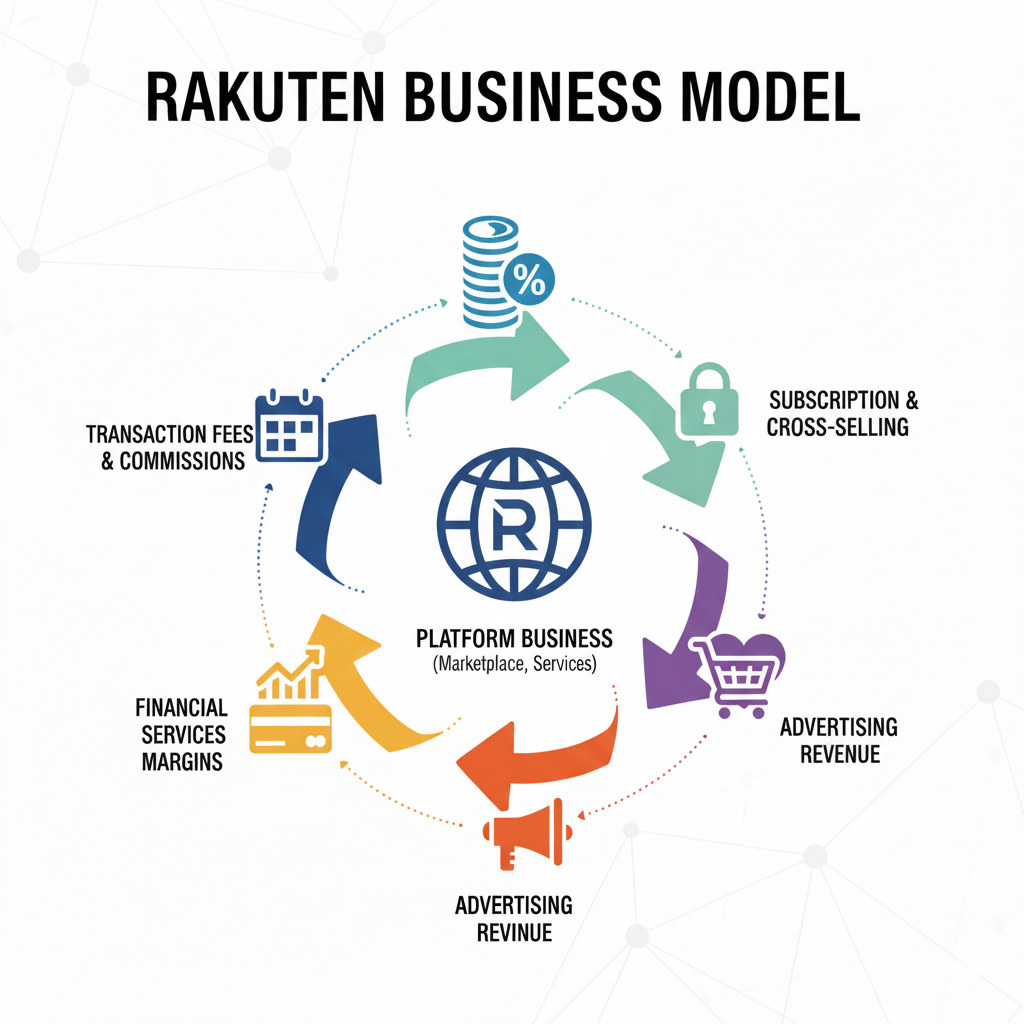
Rakuten Business Model: How a Japanese Company Built an Entire Internet Ecosystem
Rakuten makes money by building an ecosystem where e-commerce, fintech, telecom, and digital services all feed into each other through one powerful loyalty system. Now let’s break this down properly to understand what actually works, why Rakuten is…
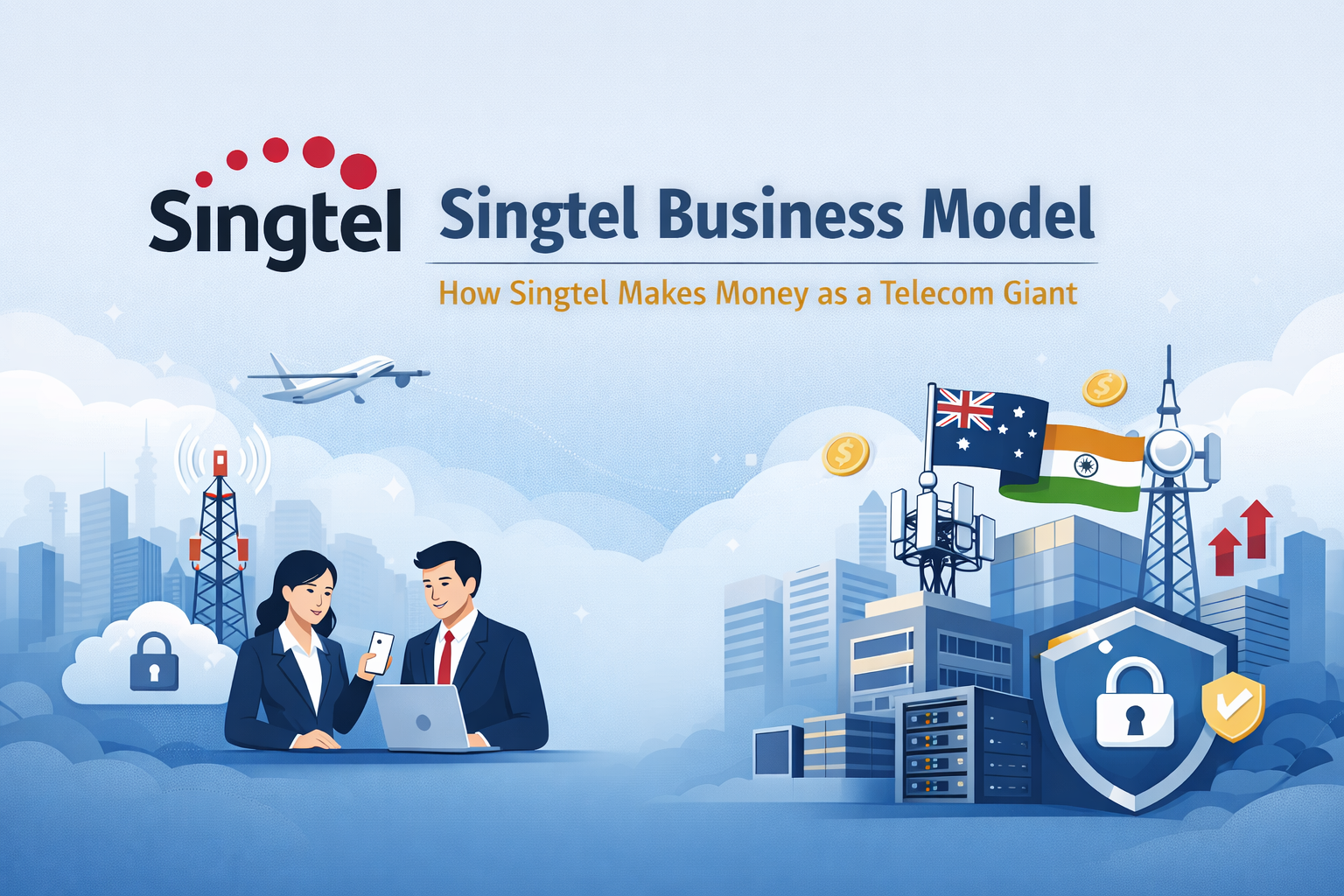
Singtel Business Model: How Singapore’s Telecom Giant Makes Money
Singtel (Singapore Telecommunications Limited) makes money through a diversified business model that goes far beyond traditional phone services. The company generates revenue from three main pillars: core telecommunications services (mobile, broadband,…
YouTrip Business Model: How a Travel Wallet Makes Money Without Charging Users
YouTrip makes money by earning from card payments, currency exchange efficiency, and business spend management, not by charging users extra fees. It removes friction for travellers and quietly monetises the infrastructure behind every transaction. What…
Baidu Business Model: How China’s Google Built a Search-First AI Empire
Baidu makes money mainly from search advertising, but its real long-term play is AI + cloud + autonomous driving, built on top of China’s data advantage and government alignment. Now let’s break this down properly to understand why this model works,…
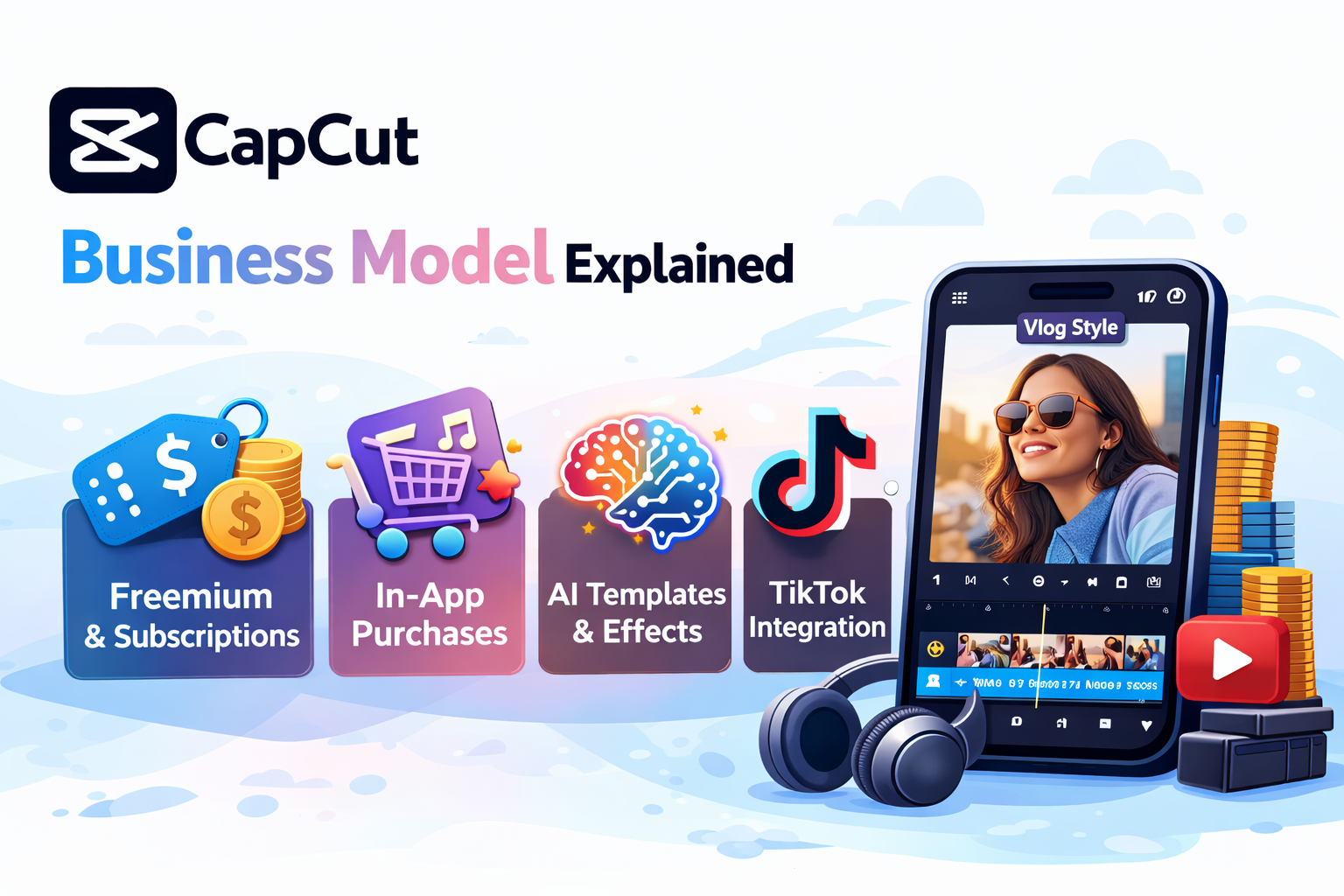
CapCut Business Model: How CapCut Makes Money
CapCut is a freemium mobile video editing app developed by Bytedance, designed for creators, social media enthusiasts, and small businesses globally. It allows users to edit videos using AI-powered templates, effects, and music, with seamless sharing to…
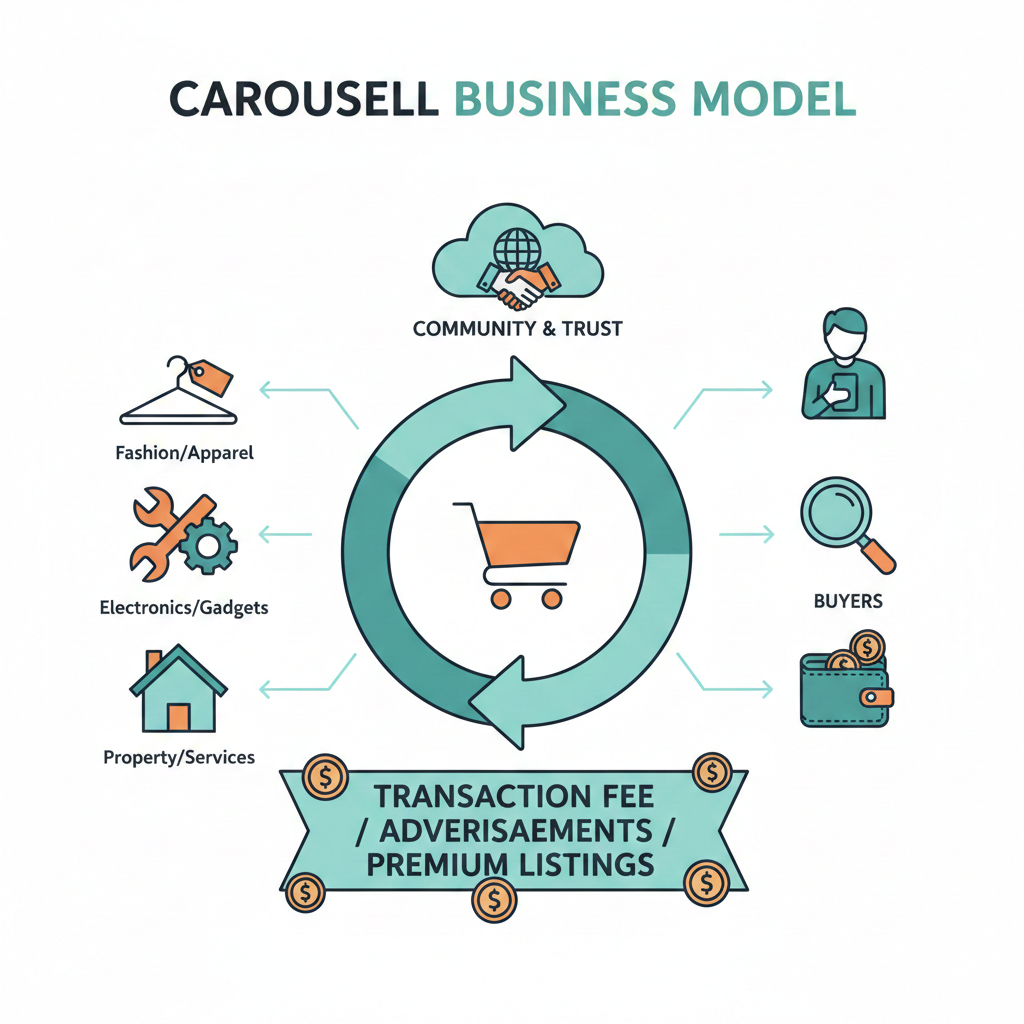
Carousell Business Model: How Carousell Makes Money
Carousell is a C2C and B2C online marketplace that lets individuals and small businesses buy and sell new or second-hand products locally. It is mainly used by everyday sellers, resellers, and bargain-seeking buyers. Carousell makes money through…

Taobao Business Model – How Taobao Makes Money
Taobao is China’s largest consumer-to-consumer (C2C) e-commerce marketplace, owned by the Alibaba Group. While it attracts users with free or low-cost selling, its primary revenue comes from advertising, merchant services, data monetization, payment and…
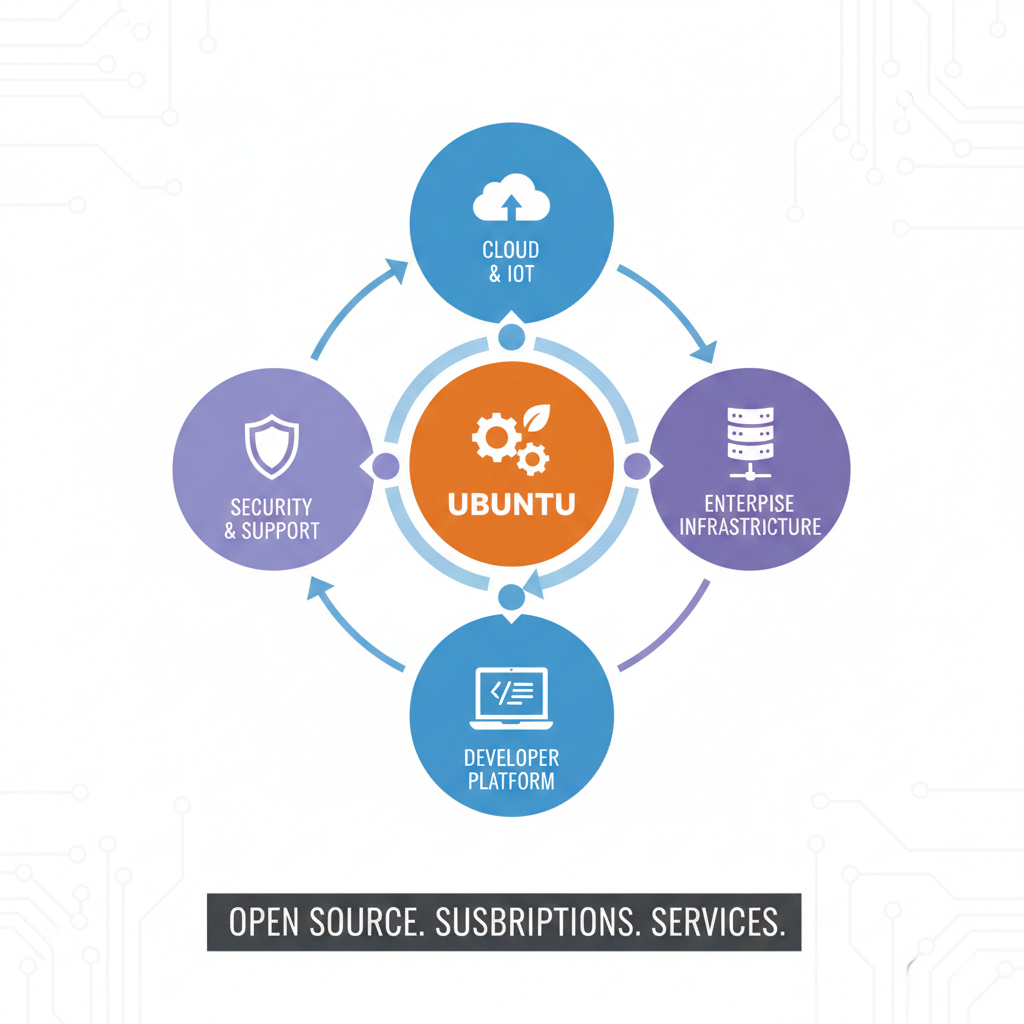
Ubuntu Business Model: How This Linux Company Makes Money
Ubuntu is completely free to use, but the company behind it, Canonical, earns money by selling enterprise-level support, security updates, cloud services, and managed infrastructure. While individuals and developers use Ubuntu at no cost, businesses and…
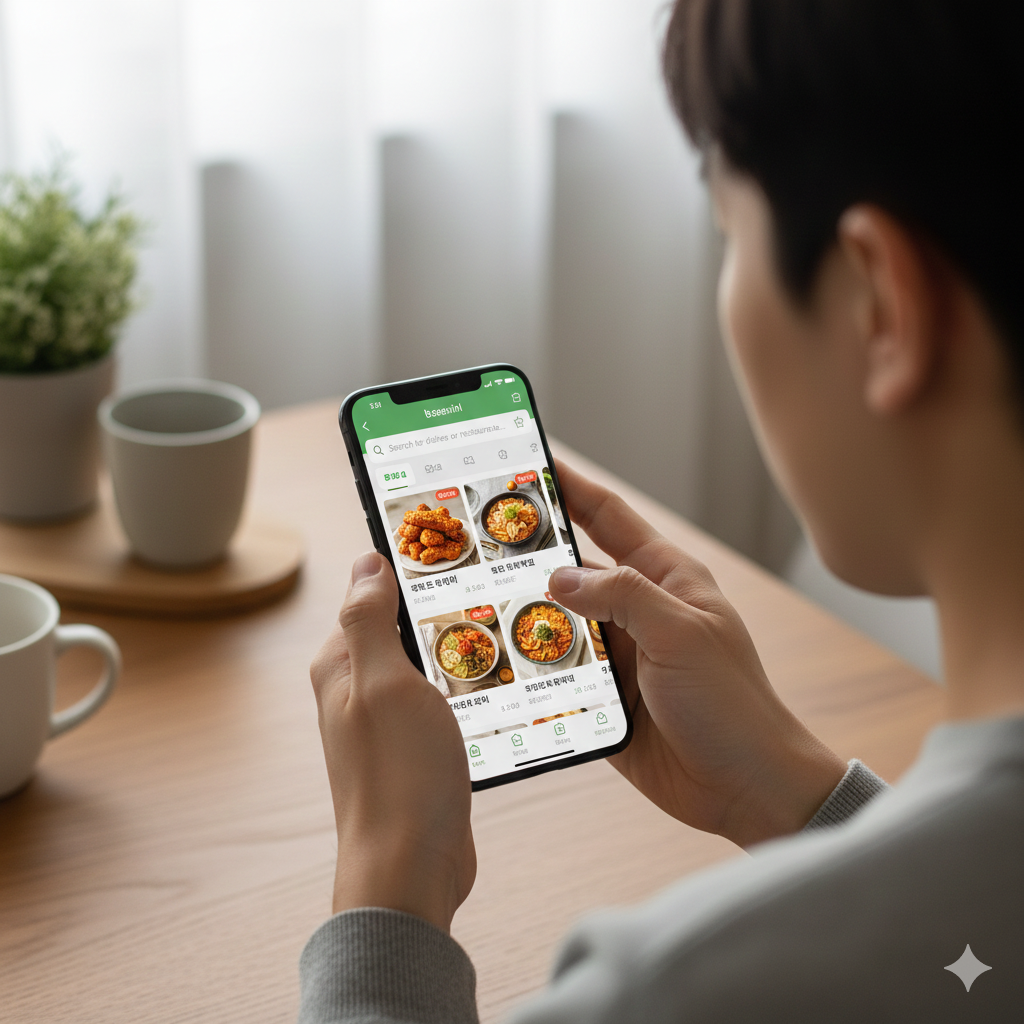
Quick Commerce Business Model: How 10-Minute Delivery Apps Actually Make Money
It’s 11 PM on a Sunday night. You’re hosting friends, the snacks have run out, and every store in your neighborhood is closed. Ten years ago, you’d be out of luck. Today? You open an app, tap a few buttons, and fresh chips, cold drinks,…
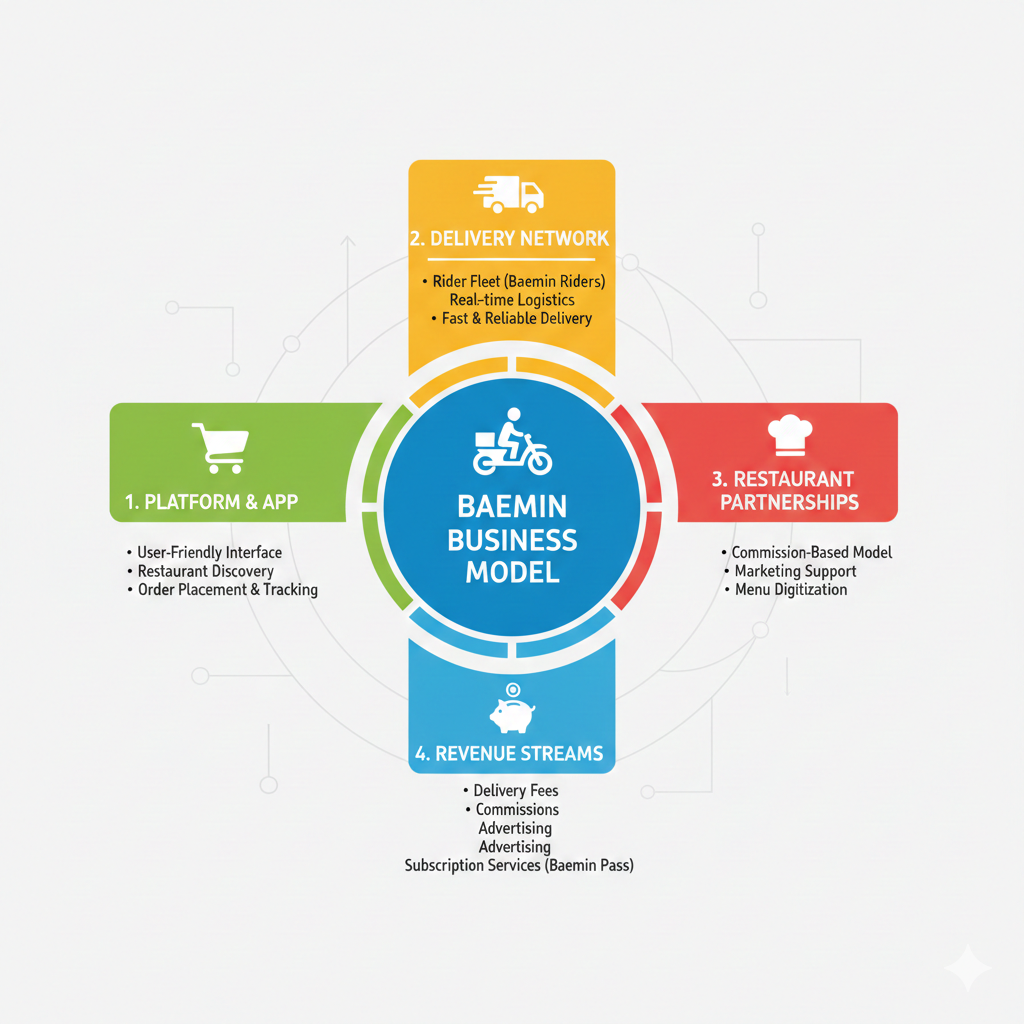
Baemin Business Model: How South Korea’s Largest Food Delivery Platform Makes Money
South Korea’s food delivery market is one of the most sophisticated in the world, and at its center stands Baemin (Baedal Minjok), the undisputed market leader. But how exactly does Baemin make money? In this comprehensive analysis, we’ll…

Coupang Business Model: How South Korea’s Amazon Built a Logistics-First E-commerce Empire
Coupang makes money by owning its logistics end-to-end, offering ultra-fast delivery (Rocket Delivery), earning margins from product sales, seller commissions, subscriptions, ads, and expanding into food delivery, fintech, and streaming. Now let’s break…

KakaoTalk Business Model: How Korea’s Super App Makes Money
Short answer:KakaoTalk makes money by combining messaging with payments, games, content, advertising, commerce, and fintech services turning a free chat app into a full digital ecosystem. Now let’s break it down properly What is KakaoTalk? KakaoTalk is…

The GCash Business Model: How the Philippines’ First Double Unicorn Dominates Fintech
Southeast Asian fintech is now evolving, few success stories rival the meteoric rise of GCash. What started as a humble SMS-based money transfer service in 2004 has evolved into a $5 billion financial powerhouse that has fundamentally reshaped how…