
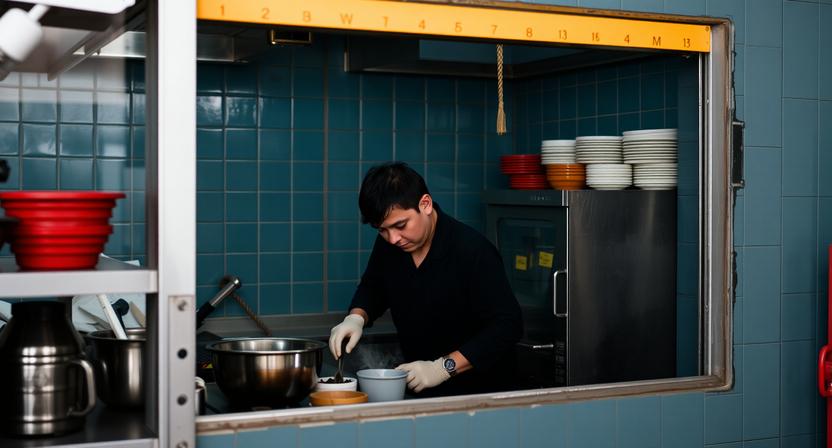
So you want to start a food business but don’t have the budget for a fancy restaurant with prime location real estate? Welcome to the world of cloud kitchens one of the fastest-growing business models in the food industry.
In this guide, I’ll walk you through everything you need to know about cloud kitchens: what they are, how they work, how they make money, and most importantly, how you can start one without breaking the bank.
Let’s get in.
What Exactly is a Cloud Kitchen?
A cloud kitchen (also called a ghost kitchen, dark kitchen, or virtual kitchen) is a food preparation facility that exists solely to fulfill online delivery orders.
Here’s what makes it different from traditional restaurants:
No dine-in area – customers can’t walk in and eat
No storefront – often located in industrial areas or shared kitchen spaces
No waiters – everything operates through delivery apps
Lower overhead costs – no need for expensive furniture, décor, or front-of-house staff
Think of it as a restaurant that lives entirely in the digital world. Customers discover you on food delivery apps like Grubhub, DoorDash, Uber Eats, or Swiggy, place their orders online, and your food gets delivered to their doorstep.
The entire business is designed around one thing: cooking great food and getting it delivered efficiently.
Why Cloud Kitchens Are Booming Right Now
The cloud kitchen model has exploded in popularity, and there are some solid reasons why:
Changing consumer behavior – people are ordering food online more than ever. The pandemic accelerated this trend, and it’s here to stay.
Lower startup costs – you can start a cloud kitchen with a fraction of what a traditional restaurant requires. No need to spend on interior design, prime location rent, or extensive front-of-house staff.
Flexibility and experimentation – want to test a new cuisine or menu? You can launch a new virtual brand in weeks, not months. If it doesn’t work, pivot quickly.
Data-driven decisions – delivery platforms provide detailed analytics on what’s selling, customer preferences, and ordering patterns. This helps you optimize your menu and operations.
Multiple brand strategy – one kitchen can operate multiple restaurant brands. More on this later, but it’s a game-changer for maximizing revenue.
How Does a Cloud Kitchen Actually Work?
Let me break down the operational flow so you understand the day-to-day mechanics:
Step 1: Customer Discovery
Customers browse food delivery apps and discover your virtual restaurant. Your menu, photos, and reviews determine whether they’ll order from you.
Step 2: Order Placement
When a customer places an order, it comes through the delivery platform’s system. You receive it on a tablet or integrated order management system.
Step 3: Food Preparation
Your kitchen team prepares the order according to your standard recipes and quality controls. Packaging matters here—food needs to travel well.
Step 4: Delivery
Either the platform’s delivery partner (DoorDash driver, for example) or your own delivery person picks up the order and delivers it to the customer.
Step 5: Customer Feedback
Customers rate their experience, which directly impacts your visibility and future orders on the platform.
This cycle repeats throughout the day. Simple, right? The beauty is in the execution and consistency.
Cloud Kitchen Business Models: Choose Your Path
Not all cloud kitchens operate the same way. Here are the main models you can choose from:
1. Independent Cloud Kitchen (The Solo Operator)
This is where most entrepreneurs start. You rent a small commercial kitchen space, set up your operations, create your brand, and list yourself on delivery platforms.
Pros:
- Full control over operations and branding
- Keep all profits after platform commissions
- Can build unique brand identity
Cons:
- Higher initial investment
- You handle everything yourself
- All risk is on you
2. Multi-Brand Cloud Kitchen (The Smart Scaler)
One physical kitchen operates multiple virtual restaurant brands. For example, your kitchen might run “Burger Palace,” “Pasta Paradise,” and “Healthy Bowls” all from the same location.
Pros:
- Maximize kitchen utilization
- Diversify revenue streams
- Test different concepts with minimal additional cost
- Target different customer segments
Cons:
- More complex operations
- Need strong systems to manage multiple brands
- Risk of quality issues if you stretch too thin
3. Shared Kitchen Space (The Low-Risk Starter)
You rent space in a shared commercial kitchen facility. These spaces provide equipment, utilities, and sometimes even packaging supplies.
Pros:
- Lowest startup cost
- Flexibility to scale up or down
- Minimal commitment
- Networking with other food entrepreneurs
Cons:
- Limited control over space
- Shared resources can cause delays
- Less room for growth
4. Franchise Cloud Kitchen (The Proven Path)
You partner with an established cloud kitchen brand and operate their concept in your area.
Pros:
- Proven business model
- Brand recognition
- Training and support
- Marketing materials provided
Cons:
- Franchise fees and royalties
- Less creative freedom
- Must follow strict guidelines
How Cloud Kitchens Make Money: Revenue Streams Explained
Understanding your revenue model is crucial. Here’s how cloud kitchens generate income:
Primary Revenue: Food Sales
This is straightforward—customers pay for food, and after deducting delivery platform commissions (typically 15-30%), you keep the rest. Your goal is to maximize order volume while maintaining healthy margins.
Key factors affecting food sales revenue:
- Menu pricing strategy
- Order frequency
- Average order value
- Customer retention
Additional Revenue Opportunities
Smart cloud kitchen operators don’t rely solely on delivery platforms:
Direct orders through your own website or app – avoid platform commissions by building direct customer relationships. Offer loyalty programs and exclusive deals.
Catering and bulk orders – corporate lunch orders, party catering, and event services often have higher margins and guaranteed volume.
Meal subscriptions – offer weekly meal plans or subscription boxes for recurring revenue. This creates predictability in your business.
Retail products – sell signature sauces, spice mixes, or meal kits. This extends your brand beyond prepared meals.
Cloud kitchen partnerships – rent unused kitchen time to other food entrepreneurs or host pop-up brands.
The Real Costs: What You Need to Budget For
Let’s talk money. Being realistic about costs will save you from nasty surprises.
Initial Setup Costs
Kitchen space deposit and setup: $5,000 – $30,000
This includes security deposit, minor renovations, and basic setup. Shared kitchens obviously cost less.
Equipment and appliances: $10,000 – $50,000
Ovens, grills, refrigeration, prep tables, and small appliances. Buy used equipment when starting out.
Licenses and permits: $500 – $3,000
Food handler permits, business licenses, health department approvals vary by location.
Initial inventory: $2,000 – $5,000
Ingredients, packaging materials, cleaning supplies.
Technology: $1,000 – $5,000
Tablets for orders, POS system, order management software.
Branding and marketing: $1,000 – $5,000
Logo design, menu photography, delivery platform setup.
Total initial investment: $20,000 – $100,000 depending on your model and scale.
Monthly Operating Costs
Rent: $1,500 – $5,000
Ingredients and supplies: 28-35% of revenue
Labor: 25-35% of revenue
Utilities: $500 – $1,500
Delivery platform commissions: 15-30% of revenue
Marketing: $500 – $2,000
Insurance: $200 – $500
Miscellaneous: $500 – $1,000
Your Path to Profitability: The Numbers That Matter
Most cloud kitchens aim for these benchmarks:
Break-even timeline: 6-12 months
Food cost percentage: 28-35%
Labor cost percentage: 25-35%
Net profit margin: 10-20% (after all expenses)
To hit profitability faster, focus on:
- Achieving 30+ orders per day within the first 3 months
- Maintaining average order values above $20
- Keeping food waste under 4%
- Building a 20% repeat customer rate
Step-by-Step: How to Start Your Cloud Kitchen
Ready to launch? Here’s your roadmap:
Phase 1: Research and Planning (Weeks 1-4)
Study your market – what cuisines are underserved? What do people order most? Check competitor menus and reviews.
Define your concept – choose a specific niche. “Best Italian food” is too broad. “Authentic Neapolitan pizza” or “Healthy protein bowls” works better.
Create a business plan – project your costs, revenues, and timeline. Be conservative with estimates.
Test your recipes – cook for friends, family, and get honest feedback. Ensure your food travels well and stays hot.
Phase 2: Legal and Location (Weeks 5-8)
Register your business – LLC or corporation, get your EIN.
Obtain licenses – food handler certificate, business license, health permits.
Find your kitchen – visit shared kitchen spaces or scout commercial properties. Consider proximity to your target delivery zones.
Set up utilities and insurance – liability insurance is non-negotiable.
Phase 3: Setup and Systems (Weeks 9-12)
Purchase equipment – start with essentials, add more as you grow.
Design your menu – keep it focused. 15-20 items maximum to start. Ensure items share common ingredients to reduce waste.
Create your brand – name, logo, story. Invest in professional food photography.
Set up technology – order tablets, POS systems, inventory management tools.
Phase 4: Launch (Week 13+)
Register on delivery platforms – Grubhub, DoorDash, Uber Eats. Negotiate commissions if possible.
Soft launch – start with limited hours and menu. Work out operational kinks.
Gather feedback – encourage reviews, adjust based on customer input.
Market your business – use social media, run promotions, offer first-order discounts.
Monitor and optimize – track metrics daily. What’s selling? What’s not? Adjust accordingly.
Common Challenges and How to Handle Them
Let’s be real—running a cloud kitchen isn’t always smooth. Here are challenges you’ll likely face:
High delivery platform commissions
Solution: Build your own ordering system over time. Offer incentives for direct orders.
Quality consistency
Solution: Create detailed recipe cards, train staff thoroughly, implement quality checks before each order leaves.
Packaging problems
Solution: Test packaging extensively. Invest in leak-proof, heat-retaining containers. Bad packaging ruins good food.
Managing multiple orders during peak times
Solution: Use kitchen display systems, prep ingredients in advance, have a clear workflow system.
Fluctuating demand
Solution: Analyze historical data, offer promotions during slow periods, consider catering during lunch hours.
Negative reviews
Solution: Respond professionally, fix issues immediately, reach out to unhappy customers directly.
Pro Tips from Successful Cloud Kitchen Owners
Here’s what works in the real world:
Start with one brand, nail it, then expand – don’t try operating three brands on day one.
Menu engineering is crucial – design your menu so dishes share ingredients. This reduces waste and simplifies inventory.
Packaging is your restaurant’s exterior – invest in branded, quality packaging. It’s your only physical touchpoint with customers.
Peak hours are everything – optimize for lunch (11am-2pm) and dinner (6pm-9pm). That’s when most orders happen.
Photos sell food – professional food photography increases orders by 30-40%. Don’t skimp here.
Track everything – use data to make decisions. Which items sell best? What’s your actual food cost? When are your peak hours?
Build for delivery – not all restaurant food travels well. Choose items that maintain quality for 30-45 minutes.
Is a Cloud Kitchen Right for You?
Cloud kitchens are perfect if you:
- Want to start a food business with limited capital
- Love cooking but hate the restaurant front-of-house experience
- Are comfortable with technology and data
- Can work with thin margins and high volume
- Have strong operational and organizational skills
They might not be ideal if you:
- Want to build a traditional restaurant brand with ambiance
- Dislike working with third-party platforms
- Can’t handle the pressure of high-volume operations
- Don’t have backup plans for slow periods
Ending Statement: Your Cloud Kitchen Journey Starts Now
The cloud kitchen model has democratized the restaurant industry. You don’t need millions of dollars or a prime location to start a successful food business anymore.
What you do need is great food, strong operations, smart marketing, and persistence. The first few months will be challenging. You’ll face long hours, thin margins, and unexpected problems.
But here’s the exciting part: if you execute well, you can build a profitable business with multiple revenue streams, scale to multiple locations, and potentially exit to a larger player in the future.
The food delivery market isn’t slowing down. Consumer behavior has permanently shifted toward convenience. Cloud kitchens are positioned perfectly to serve this demand.
So if you’ve been dreaming about starting a food business, now you know exactly what the cloud kitchen model entails. The question isn’t whether the opportunity exists it’s whether you’re ready to seize it.
Start small, learn fast, and scale smart. Your cloud kitchen journey begins today.
Discover more from Business Model Hub
Subscribe to get the latest posts sent to your email.



[…] Cloud kitchens operating delivery-only concepts […]